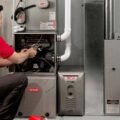
A heating system should keep indoor temperatures reasonably stable between operating cycles, even after the equipment shuts off. When rooms begin cooling too quickly, homeowners may notice chilly floors, cold corners, or a thermostat that calls for heat again sooner than expected. This pattern can make the house feel uncomfortable even though the heater is still running throughout the day. Rapid temperature loss may be connected to airflow problems, thermostat issues, weak heating output, duct concerns, or other performance changes. Heater repair matters because the system should not have to restart constantly just to replace warmth that disappears almost immediately after every cycle ends.
Why Heat Disappears Too Quickly
- Weak Heating Output Can Shorten Comfortable Periods
If the heater is no longer producing the same amount of useful warmth during each cycle, the home may reach the thermostat setting without building enough lasting comfort throughout the rooms. A system can appear to complete a normal cycle while still delivering weaker airflow or lower heat output than it did previously. Homeowners considering heater repair may notice that the house feels warm for only a short period before temperatures begin falling again. This matters because the issue may not be how often the heater runs, but how effectively each cycle is heating the home. Dirty components, airflow restrictions, burner concerns, electrical problems, or other mechanical conditions can reduce heating performance without stopping the system completely. Repair helps determine whether the equipment is producing and distributing enough heat during each operating period. Once performance is restored, the home can hold a more comfortable temperature between cycles instead of relying on frequent restarts to replace warmth that was never distributed strongly enough in the first place.
- Airflow Problems Can Leave Rooms Underheated
A heating system depends on steady airflow to carry warmth from the equipment to the occupied areas of the house. When filters are clogged, blower performance is weak, vents are blocked, or ducts are restricted, some rooms may receive less heated air than they need. The thermostat area may warm enough for the system to shut off, yet distant rooms can begin cooling almost immediately because they never received the same amount of heat. Heater repair helps identify whether airflow is creating this imbalance and whether the system is distributing warmth evenly from one room to another. This matters because homeowners may respond by increasing the thermostat setting, which can make well-served areas too warm while the original problem remains. Restoring airflow allows heated air to reach more of the home before the cycle ends. Better distribution also helps walls, floors, furnishings, and room surfaces warm more evenly, which can make indoor temperatures feel more stable between cycles rather than dropping quickly as soon as the heater stops.
- Thermostat Problems Can End Heating Cycles Too Early
A thermostat that reads temperature inaccurately or sits in an unusually warm location can cause the heater to shut down before the rest of the home is truly comfortable. Sunlight, nearby appliances, supply vents, or other heat sources may influence the thermostat and make it think the desired temperature has been reached earlier than it actually has throughout the house. Once the heater stops, cooler rooms quickly reveal the imbalance. Heater repair can include checking thermostat operation, wiring, calibration, and placement to determine whether the control is ending cycles too soon. This matters because the heating system may be capable of producing enough warmth but simply not receiving the right instructions about when to stop. A properly functioning thermostat should represent indoor conditions accurately enough for heating cycles to support the whole home. Correcting control problems can help the system run for more appropriate periods and reduce the sharp temperature drop that homeowners experience shortly after each cycle ends.
- Duct Leakage Can Allow Heated Air to Escape
Heated air may also be lost before it reaches the rooms if the duct system has leaks, loose connections, or damaged sections. Ducts running through attics, crawlspaces, garages, or other unconditioned areas can lose a noticeable amount of warmth when air escapes through gaps along the route. The heater may still operate normally at the equipment, but the home receives less useful heat during every cycle. This can make indoor temperatures fall quickly after the system shuts down because the rooms never received the full amount of heat being produced. Heater repair helps determine whether distribution losses are contributing to the problem and whether accessible ducts need attention. This shorter point matters because frequent cycling does not always mean the heater itself is failing. Sometimes the system is producing heat that is simply not reaching the intended areas efficiently. Addressing duct leakage helps preserve more of that warmth for the living space.
Repair Helps Restore More Stable Comfort Between Cycles
Heater repair matters when indoor temperatures drop too quickly between heating cycles because steady comfort depends on both producing heat and keeping it distributed effectively throughout the home. Weak heating output, restricted airflow, thermostat problems, and duct losses can all cause rooms to cool faster than expected after the equipment shuts down. Timely repair helps identify which part of the system is creating the rapid temperature decline and restores a more dependable heating pattern. When each cycle delivers enough warmth and the thermostat responds accurately, the home can remain comfortable for longer periods without constant restarts. That steadier rhythm supports both indoor comfort and more reliable equipment operation during colder weather.