When temperature readings fluctuate significantly, it often indicates an underlying issue with the sensors or calibration. Consulting a professional hvac company near me can help restore proper system balance and ensure your indoor environment stays consistently comfortable while keeping monthly utility bills stable and predictable.
Smart thermostats are designed to make heating and cooling feel more responsive, more efficient, and easier to manage from day to day. Yet many homeowners eventually notice a frustrating disconnect: the thermostat reading looks normal, the schedule appears correct, and the system seems to be following commands, but the house still feels too warm, too cool, uneven, or stale. That mismatch can lead people to blame the thermostat alone, even when the real issue sits deeper in the HVAC system. HVAC service matters because comfort depends on how the entire system performs, not only on what the wall display reports.
When indoor temperature readings stop matching the actual environment, evaluating the physical equipment becomes necessary to resolve persistent balance and airflow issues. Homeowners who want to secure seasonal system efficiency can rely on dependable services like hvac in Hampton to properly inspect functional components and calibrate airflow distribution. Addressing these structural factors helps maintain consistent climate levels throughout every room in the house.
Finding the Real Cause
- Why Smart Controls Cannot Fix Hidden System Problems
A smart thermostat can improve scheduling and give homeowners more control over settings. Still, it cannot correct mechanical or airflow problems that prevent the equipment from properly conditioning the home. If return airflow is weak, filters are restricted, coils are dirty, blower performance has declined, or ductwork is leaking, the thermostat may still report a temperature. At the same time, the lived experience in the home feels noticeably different. HVAC service is important because it helps determine whether the comfort issue is truly a control issue or the thermostat is simply revealing a larger system problem already developing. This distinction matters when homeowners repeatedly adjust schedules, change app settings, or lower the temperature without getting the result they expect. A household looking into help from Fresh Air Heating and Cooling may be responding to this exact kind of frustration, where the thermostat appears smart and active, yet the actual rooms in the home still feel out of balance. Service helps connect what the thermostat is reading to how the system is performing, which is often the missing step when indoor comfort and thermostat data stop lining up.
- Sensor Readings Do Not Always Reflect the Whole Home
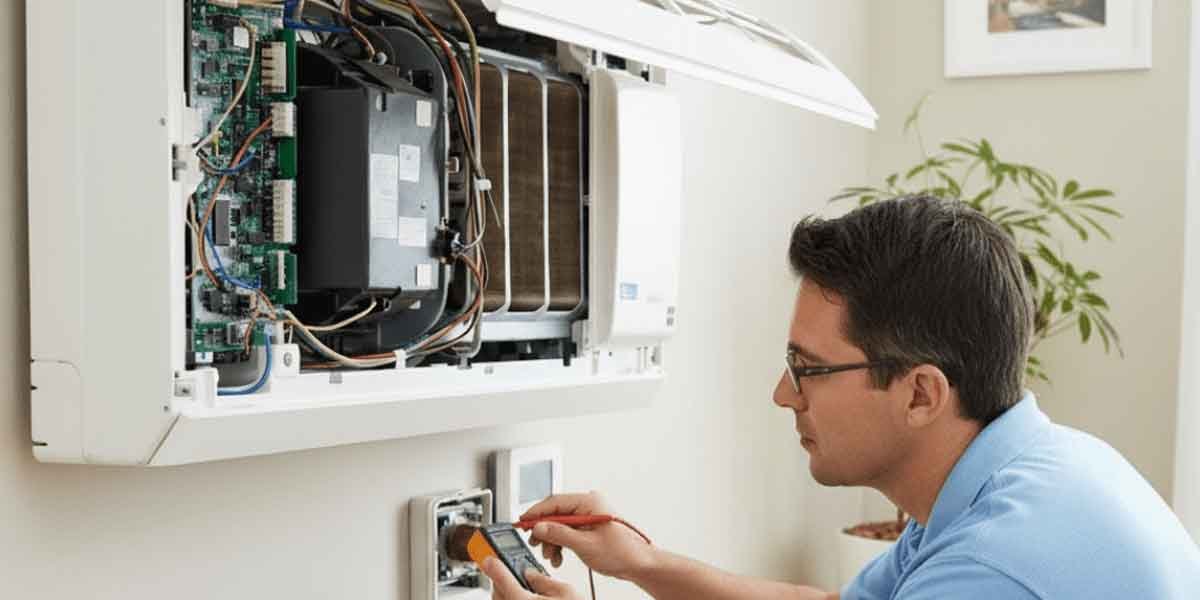
One reason this problem becomes so confusing is that a smart thermostat usually reads conditions at one location, while comfort is experienced throughout the entire home. If the thermostat sits in a hallway with stable airflow but bedrooms receive less conditioned air, or if afternoon sun affects one part of the house more than another, the thermostat may seem accurate while daily comfort still falls short. HVAC service matters because it helps identify why one reading does not represent the real experience of the house. A service technician can assess airflow distribution, duct condition, equipment response, and temperature relationships between rooms rather than assuming the thermostat alone is the problem. This broader evaluation often reveals that the issue is not digital at all. It may be a balance problem, a capacity issue, or reduced equipment performance that causes some areas to lag behind others even when the thermostat says the target has been met. Without service, homeowners may continue to treat the control as the source of the discomfort. In reality, the thermostat may simply be providing a narrow view of a system that is no longer evenly conditioning the entire home.
- HVAC Service Helps Separate Control Problems From Comfort Problems
A smart thermostat can sometimes be part of the issue, but HVAC service helps clarify whether the mismatch is due to the control settings or the heating and cooling system itself. Incorrect calibration, poor placement, software settings, or scheduling habits can all affect how the thermostat behaves, yet those problems often overlap with performance issues already present in the system. A home may have delayed cooling because the equipment is struggling, not because the thermostat is choosing the wrong cycle. Likewise, a furnace may run long enough to satisfy the thermostat while certain rooms still feel chilly because airflow is weak or uneven. HVAC service is important because it separates these layers rather than assuming a quick control adjustment will solve everything. This gives homeowners a clearer understanding of whether the thermostat should be relocated, recalibrated, or reprogrammed, or whether the larger need is equipment cleaning, airflow correction, duct repair, or another service adjustment. That type of diagnosis protects homeowners from spending too much time on app settings and menu changes when the comfort complaint is actually rooted in physical system performance that software alone cannot correct.
- Comfort Problems Can Point to Declining System Efficiency
When thermostat readings no longer match how the house feels, the issue often points to more than a minor inconvenience. It can be a sign that the HVAC system is losing the ability to deliver comfort efficiently. Dirty components, aging motors, airflow restrictions, and developing refrigerant or heating performance problems can all cause the home to feel less comfortable even while the thermostat appears to be doing its job. HVAC service matters because it catches those underlying changes before the system slips further into poor performance, longer run times, and rising energy use. A homeowner may think the thermostat has become unreliable when, in reality, the equipment now requires more time and effort to achieve the same indoor temperature. Over time, that gap between thermostat reading and lived comfort can grow, making some rooms stuffy, others chilly, and the overall house less predictable from hour to hour. Service helps restore the relationship between system output and indoor conditions so that the thermostat once again reflects a home that actually feels close to the setpoint, rather than one that only looks correct on a screen.
When mechanical limitations prevent proper air distribution, upgrading the primary hardware often provides the structural solution that digital settings cannot achieve alone. Property owners looking to establish long-term heating and cooling reliability frequently discover that arranging for a professional heat pump installation orlando helps secure consistent indoor comfort and energy efficiency throughout every room during seasonal shifts.
- Why Service Restores Confidence in the System
Homeowners rely on smart thermostats because they want more confidence in how their homes are being heated and cooled, not more confusion. When the thermostat no longer matches actual indoor comfort, the system can feel unreliable. HVAC service is important because it restores clarity. It shows whether the issue is related to airflow, equipment performance, duct distribution, thermostat setup, or a combination of several conditions that have been building gradually. That kind of careful evaluation helps homeowners move beyond guesswork and return to a system that feels more predictable in daily life. Once the deeper issue is addressed, the thermostat becomes useful again because it reflects a home that is actually responding the way it should.
Maintaining consistent system performance requires a comprehensive approach to seasonal upkeep. Working with an experienced service provider like Elder Heating and Air ensures that structural constraints, hardware limitations, and hidden mechanical imbalances are addressed properly before they impact daily comfort. Routine technical adjustments protect the efficiency of your equipment while ensuring the control readings accurately mirror your living space.
Making the Thermostat Mean Something Again
Smart thermostats can only support comfort when the heating and cooling system behind them is working properly. If the home feels different from what the display suggests, HVAC service becomes an important step in finding out why. It helps identify hidden system problems, correct airflow or equipment issues, and separate digital control concerns from real comfort failures inside the house. When that service happens at the right time, homeowners can stop chasing the wrong solution and start restoring the steady indoor comfort that smart controls are supposed to support in the first place.