A furnace blowing cold air instead of heat usually means one of three things: the thermostat is running the fan without heat, airflow is restricted, or the burner, ignitor, electric heat strip, or safety control has stopped the heat cycle.
Start with the harmless checks: thermostat mode, fan setting, filter, vents, breakers, and whether the furnace has had a few minutes to warm up. Stop troubleshooting and call for service if you smell gas, a carbon monoxide alarm sounds, the burner tries and fails repeatedly, or the furnace keeps shutting down after a reset.
Identifying the source of a drafty home often leads back to the heating system’s mechanical components.
While a simple thermostat adjustment or a filter change can sometimes resolve the issue, internal components like the flame sensor or electronic ignition require a more technical approach. Homeowners who experience persistent cycling or inconsistent temperatures may eventually need a professional furnace repair to diagnose deeper electrical or mechanical failures within the unit. Addressing these concerns promptly prevents further wear on the blower motor and ensures the heat exchanger operates safely. Understanding how these parts interact helps maintain a comfortable indoor environment during the coldest months of the year.
While a simple thermostat adjustment or a filter change can sometimes resolve the issue, internal components like the flame sensor or electronic ignition require a more technical approach. Homeowners who experience persistent cycling or inconsistent temperatures may eventually need a professional furnace repair to diagnose deeper electrical or mechanical failures within the unit. Addressing these concerns promptly prevents further wear on the blower motor and ensures the heat exchanger operates safely. Understanding how these parts interact helps maintain a comfortable indoor environment during the coldest months of the year.
Regular maintenance plays a vital role in preventing these common heating issues before they lead to a total loss of warmth. By identifying small concerns early, homeowners can avoid the stress of a system failure during a cold snap. For those who notice signs of wear or hear unusual noises, scheduling a professional furnace repair Des Moines can provide the necessary technical insight to ensure all safety controls and electrical relays are functioning correctly. Keeping the system fine-tuned not only improves its overall lifespan but also supports consistent airflow and temperature management throughout the entire home.
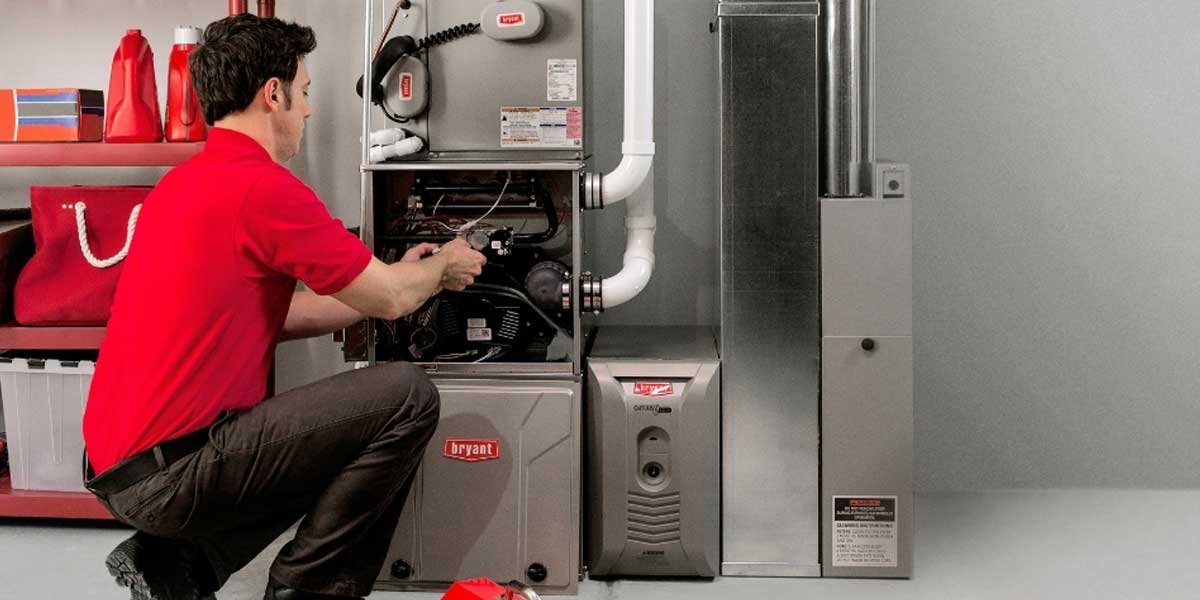
Quick Safety Checks Before You Troubleshoot
Cold air from a furnace is annoying, but fuel-burning equipment can also create carbon monoxide risk when combustion or venting is wrong. Safety comes before getting the house warm.
If anyone has headache, dizziness, nausea, confusion, or flu-like symptoms that improve when leaving the house, get outside and call emergency services. The U.S. Environmental Protection Agency says carbon monoxide can come from leaking chimneys, furnaces, back-drafting appliances, gas water heaters, and other fuel-burning sources.
Do these checks before touching the furnace cabinet:
- Make sure carbon monoxide alarms are working on each level of the home.
- Leave the house and call the gas utility if you smell gas or rotten eggs.
- Do not keep resetting a furnace that fails to ignite more than once.
- Do not tape over safety switches, bypass rollout switches, or run the furnace with access panels removed.
- Do not use an oven, grill, generator, or unvented outdoor appliance to heat the home.
The U.S. Consumer Product Safety Commission advises CO alarms on every level and near sleeping areas, because carbon monoxide cannot be seen, smelled, or tasted. That is the one part of this problem where guessing is a bad habit.
Normal Cold Air or a Real Furnace Problem?
A brief puff of cool air at startup can be normal, especially after the system has been off for hours. Continuous cold air after several minutes means the furnace is not completing a heating cycle.
Give the furnace about 5 to 10 minutes after a call for heat. Some systems start the inducer motor, verify pressure, light the burner or heat elements, then delay the blower until the heat exchanger or element is warm enough.
If the vents blow cool air for a minute and then warm up, you may not have a breakdown. If the air never warms, warms briefly and turns cold, or the furnace starts and stops in short bursts, move through the checks below.
| What you notice | Likely meaning | First action |
|---|---|---|
| Cool air only between heat cycles | Fan is set to ON or circulate | Set fan to AUTO |
| Cold air after a filter has been ignored | Restricted airflow may be tripping a limit switch | Replace the filter and open vents |
| Burner lights, then shuts off quickly | Dirty flame sensor, pressure switch, venting, or gas issue | Call an HVAC technician if it repeats |
| Electric furnace warms after breaker reset, then fails again | Sequencer, heat strip, relay, or breaker problem | Stop resetting and schedule service |
| Cold air plus gas smell or CO alarm | Potential fuel or combustion hazard | Leave the house and call for help |
Check the Thermostat First
The thermostat is the fastest fix because one wrong setting can make the blower run while the furnace is not heating. Many cold-air calls end at the fan switch.
Set the system mode to HEAT, then set the temperature 3 to 5 degrees above the room temperature. Set the fan to AUTO, not ON. On many thermostats, ON means the blower runs continuously, including between heating cycles, so room-temperature air feels like cold air at the vents.
Smart thermostats add one more wrinkle. A misconfigured heat pump setting, missing common wire, weak battery, or wrong equipment type can call the fan without energizing heat. If the problem started after a thermostat swap, the thermostat is not just a display on the wall; it is a suspect.
When electronic overrides or improper calibrations complicate basic setup issues, standard adjustments often fall short. Unresolved mechanical short-cycling or continuous fan operation can trigger safety resets that mask deeper system failures. Securing a skilled furnace repair helps homeowners systematically address these hidden electrical or control faults before minor diagnostic headaches compromise the unit’s key internal safety limits.
When electronic issues emerge, finding reliable ac repair near me can ensure your entire heating and cooling setup remains balanced. Professional technicians can inspect your system’s intricate wiring, optimize overall energy efficiency, and resolve small component malfunctions before they lead to expensive structural breakdowns. Taking a comprehensive approach to seasonal upkeep ultimately helps sustain dependable indoor comfort and airflow during extreme weather shifts.
When electronic issues emerge, finding reliable local technicians can ensure your entire heating and cooling setup remains balanced. Professional teams can inspect your system’s intricate wiring, optimize overall energy efficiency, and resolve small component malfunctions before they lead to expensive structural breakdowns. Homeowners who want to secure seasonal system efficiency can Visit our Puyallup location to consult with local climate control experts.
Check the schedule too. A setback, vacation mode, daylight saving shift, or app automation can make the house feel like the furnace has failed when the thermostat is simply asking for less heat.
Replace the Filter and Open the Air Path
A dirty filter can make a furnace overheat, shut off the heat source, and keep the blower running to cool the equipment. That produces a cold-air symptom even though the furnace tried to heat.
The U.S. Department of Energy’s Building Science Education guidance notes that a clogged filter can reduce airflow, increase furnace run time, add motor wear, and raise energy use. In a forced-air furnace, airflow is not a comfort detail. It is part of the safety logic.
Pull the filter and look at the actual material, not the date written on the edge. If the pleats are gray, matted, or fuzzy with dust, replace it with the correct size and airflow direction. A filter that bows inward or whistles is often too restrictive or badly clogged.
Open supply registers and return grilles. Too many closed vents can reduce airflow enough to trip a high-limit switch, especially in a small duct system. I am blunt about this one: closing vents to “push heat” to other rooms often creates a colder house and a harder-working furnace.
Then run one heating cycle. If the furnace now heats normally, schedule a filter reminder and leave the vents open. If it still blows cold air, the filter may have been part of the story, but not the whole thing.
Look at What the Furnace Does When It Starts
The startup sequence tells you more than the cold air does, because each sound points to a different failure point. Listen for whether the furnace is calling, igniting, shutting down, or just moving air.
Stand near the furnace with the thermostat calling for heat. Do not remove panels if you are not comfortable, and do not put your hands near burners, wiring, or moving parts. You are observing, not repairing.
- Thermostat calls for heat.
- Inducer motor or blower starts.
- Ignitor glows or pilot flame proves.
- Gas burners light, or electric heat strips energize.
- Main blower pushes warm air through the ducts.
If you hear clicking but never see ignition, the problem may be the ignitor, gas supply, pressure switch, pilot assembly, flame sensor, or control board. If heat starts and then dies after a few seconds, a flame sensor or safety switch may be shutting the system down.
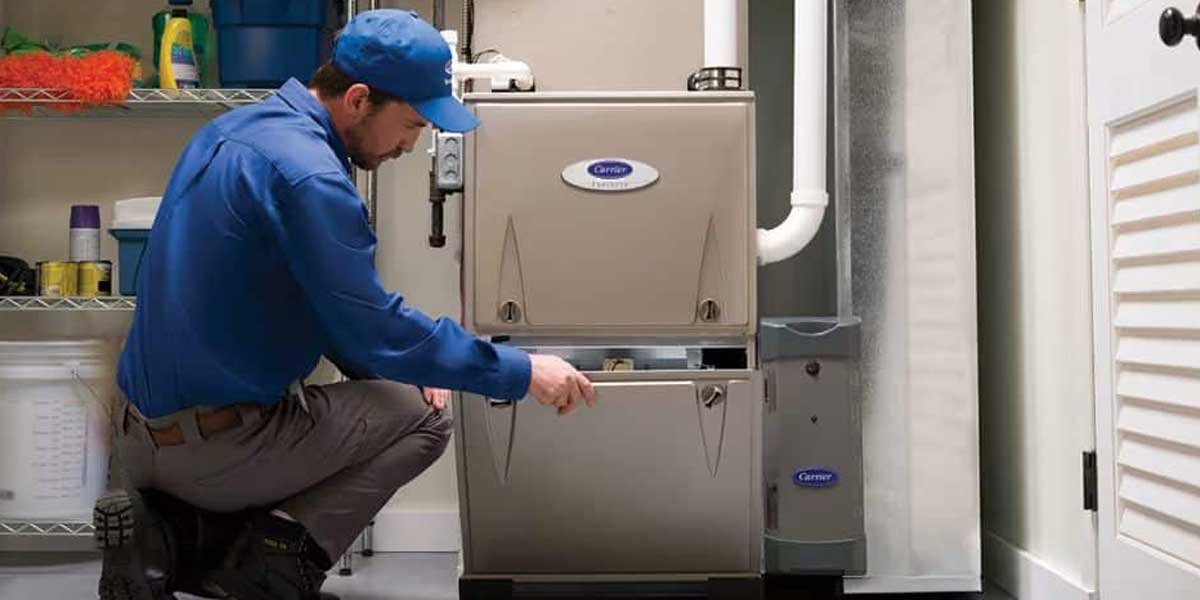
Some furnaces show an error code through a small LED on the control board. Read the code from the sticker on the inside of the access panel, then put the panel back correctly. A loose door switch can keep the furnace from running at all.
Gas Furnace Causes That Need Care
On a gas furnace, cold air usually means the burner did not light, did not stay lit, or shut down because a safety sensor did not like what it saw. Some causes are simple; some are not homeowner repairs.
Pilot Light or Electronic Ignition Failure
Older furnaces may use a standing pilot light. Newer furnaces usually use a hot surface ignitor or spark ignition. Either way, no ignition means no heat.
If your owner’s manual gives safe pilot relighting steps and you are comfortable following them exactly, you can try once. If the pilot will not stay lit, stop. A thermocouple, gas valve, draft, or combustion issue belongs with a technician.
Dirty Flame Sensor
A flame sensor confirms that the burner actually lit. When it is dirty or failing, the furnace may light for a few seconds, shut the gas valve, and leave the blower moving cool air.
Some homeowners clean a flame sensor themselves, but the safer rule is simple: if you are not already familiar with shutting off power and gas, do not learn on a cold night. The part is small, the consequence of a sloppy repair is not.
Blocked Venting or Pressure Switch Trouble
High-efficiency furnaces use intake and exhaust pipes that can be blocked by snow, leaves, nests, or ice. A blocked vent can prevent ignition or trigger a pressure switch fault.
You can inspect exterior PVC intake and exhaust pipes from the ground if they are accessible. Clear obvious snow or leaves without damaging the pipe. If the furnace still fails, the pressure switch, inducer, drain, or venting design needs service.
Condensate Drain Clog
Condensing furnaces produce water during normal operation. If the drain line, trap, or condensate pump is clogged, the furnace may shut down to prevent overflow or unsafe operation.
Look for standing water near the furnace, a full condensate pump reservoir, or gurgling at the drain. This is one of those problems that looks minor until water reaches controls.
Electric Furnace and Heat Pump Differences
Electric systems can blow cool air for different reasons than gas furnaces. The first job is knowing whether you have an electric furnace, a heat pump, or a gas furnace with electric controls.
An electric furnace uses resistance heating elements, often staged through sequencers or relays. The Department of Energy explains that electric furnaces use blowers to move air over resistance coils, and a limit controller can shut the furnace off if airflow is blocked.
If an electric furnace runs the fan but not the heat, possible causes include tripped breakers, failed sequencers, burned heat strips, bad relays, thermostat wiring, or a limit control opening because of airflow trouble. Resetting breakers once is reasonable. Doing it repeatedly is not.
A heat pump is different. It may blow air that feels cooler than gas furnace air even while heating, especially in mild weather. During defrost mode, it can briefly send cooler air indoors unless backup heat engages.
If the outdoor unit is running in winter and the air is mildly warm but not hot, you may have a heat pump doing normal heat pump work. If the outdoor unit is iced over, the auxiliary heat never comes on, or the house keeps dropping, call for service.
When Cold Air Points to Ducts or the House
Sometimes the furnace heats, but the air loses warmth before it reaches the room. Duct leaks, disconnected runs, cold crawlspaces, and return leaks can make a working furnace feel weak.
Put your hand near several supply vents after the furnace has been heating for 10 minutes. If one side of the house is warm and another side is cold, think ductwork. If every vent is lukewarm, think furnace output, airflow, or thermostat control.
Ducts in attics, garages, basements, and crawlspaces lose heat faster when they are leaky or uninsulated. A loose return duct can also pull cold air from an unconditioned space, mix it into the system, and make the vents feel chilly.
Look for crushed flexible duct, disconnected joints, missing insulation, or a register that barely moves air. Do not crawl into unsafe attic or crawlspace areas just to prove a point. A duct inspection is cheaper than a cracked ceiling and a worse mood.
What to Try Yourself and What to Leave Alone
Homeowners can safely handle settings, airflow, and one controlled reset. Gas valves, burners, heat exchangers, control boards, flame rollout, and repeated ignition failure are service calls.
| DIY check | Why it helps | Stop if |
|---|---|---|
| Set thermostat to HEAT and fan to AUTO | Prevents blower-only operation | The thermostat will not call for heat |
| Replace the air filter | Restores airflow and may stop overheating | The new filter is pulled hard into the slot |
| Open vents and returns | Reduces static pressure and airflow restriction | Registers are blocked by furniture or damaged |
| Check breakers and furnace switch once | Restores power after a trip or accidental shutoff | The breaker trips again |
| Read the furnace fault code | Gives the technician a useful clue | You need to remove unsafe panels to see it |
Here is a real-world version of the pattern homeowners describe in HVAC forums:
“I woke up my house 8 degrees cooler than what I have it set to and the furnace was running but it was blowing cold air. I reset the breakers on the furnace and then it started blowing warm again. It will go back to blowing cold air after the unit kicks back on.”
– r/hvacadvice, March 2026
That pattern is exactly why one reset can be information, while repeated resets become a warning sign. If the fault returns on the next cycle, the furnace is telling you it has not been fixed.
When to Call an HVAC Technician
Call a technician when the furnace blows cold air after basic thermostat and airflow checks, or any time a safety device appears to be stopping the heat cycle. A furnace that repeatedly fails ignition should not be bullied into running.
Book service urgently if you notice any of these:
- Gas smell, soot, scorch marks, or yellow/orange burner flames on a gas furnace.
- Carbon monoxide alarm, symptoms, or any suspicion of venting trouble.
- Burner lights and shuts off repeatedly.
- Breaker trips again after one reset.
- Water around a high-efficiency furnace or condensate pump.
- Cold air returns after a new filter and correct thermostat settings.
- Furnace is older, noisy, rusted, or has a known cracked heat exchanger concern.
The EPA recommends having fuel-burning appliances, including oil and gas furnaces, inspected by a trained professional at the beginning of every heating season. That advice sounds boring until the first cold night when the furnace is short-cycling and the house is dropping by the hour.
Keep Cold Air From Coming Back
Preventing a furnace from blowing cold air again is mostly about airflow, yearly inspection, and not ignoring weak signals. Furnaces usually give small hints before they spend a night blowing cold air.
Replace or clean filters on the schedule recommended for your system, and shorten the interval during heavy use, remodeling dust, wildfire smoke, or high household dust. Check that the filter fits tightly and faces the right direction.
Keep supply and return vents open. Walk the house once before heating season and move rugs, storage boxes, or furniture that blocks airflow. It is dull maintenance, which is exactly why it works.
Schedule seasonal service for fuel-burning equipment. A technician can clean burners, verify ignition, test safety controls, inspect venting, measure temperature rise, and spot heat exchanger or rollout risks that a homeowner cannot safely diagnose by feel.
Also keep notes. If the furnace fails after a power outage, after a filter change, only during very cold weather, or only after the thermostat schedule changes, that pattern can save diagnostic time.
FAQ
Why is my furnace blowing cold air instead of heat after I changed the filter?
The filter may be installed backward, too restrictive, the wrong size, or unrelated to the actual ignition or control fault. Check the airflow arrow, filter fit, and thermostat setting, then call for service if cold air continues.
Why is my furnace blowing cold air instead of heat at night?
The nighttime pattern often comes from a thermostat schedule, a dirty filter causing longer-cycle overheating, or a furnace fault that appears when outdoor temperatures drop. Check settings first, then stop if the fault repeats.
Is it safe to reset a furnace that is blowing cold air?
One reset is usually acceptable if the manual allows it and there is no gas smell, CO alarm, water, scorch mark, or repeated ignition failure. If the furnace fails again, stop resetting it.
Why does my furnace blow warm air, then cold air?
Warm air followed by cold air often points to overheating, a dirty flame sensor, a limit switch opening, poor airflow, or a control fault. The blower may keep running after the heat source shuts down.
Can a thermostat cause a furnace to blow cold air?
Yes, a thermostat can cause cold air if it is set to fan ON, cooling mode, the wrong equipment type, a bad schedule, weak batteries, or incorrect wiring after replacement.
How long should I wait for heat before worrying?
Wait about 5 to 10 minutes after a call for heat. A short startup delay can be normal, but continuous cold air after that usually means a setting, airflow, ignition, or equipment problem.
Should I turn off my furnace if it is blowing cold air?
Turn the furnace off if there is a gas smell, CO alarm, repeated ignition failure, tripped breaker, water near the unit, or cold air after basic checks. Otherwise, change settings and filter first.
What should I tell the technician?
Tell the technician the exact symptom, including “why is my furnace blowing cold air instead of heat?”, when it started, whether the burner lights, any error code, and what changed recently.
Final Judgment
Most cold-air furnace problems start with a setting or airflow issue, so check the thermostat and filter before assuming the worst. Still, if you are asking “why is my furnace blowing cold air instead of heat?” after the same fault returns, treat it as a real equipment problem.
Get the easy wins first. Then respect the safety controls when they speak.
Sources: U.S. Environmental Protection Agency carbon monoxide guidance; U.S. Consumer Product Safety Commission CO safety toolkit; U.S. Department of Energy filter guidance.