When it comes to choosing an engagement ring, the decision is deeply personal. For generations, the classic diamond has been the default standard, symbolized as the ultimate token of enduring love. However, modern couples are increasingly seeking jewelry that reflects their unique personalities, values, and styles. Whether driven by a desire for a vibrant splash of color, an appreciation for rich historical symbolism, or a preference for distinct design aesthetics, non-traditional gemstones are having a major moment.
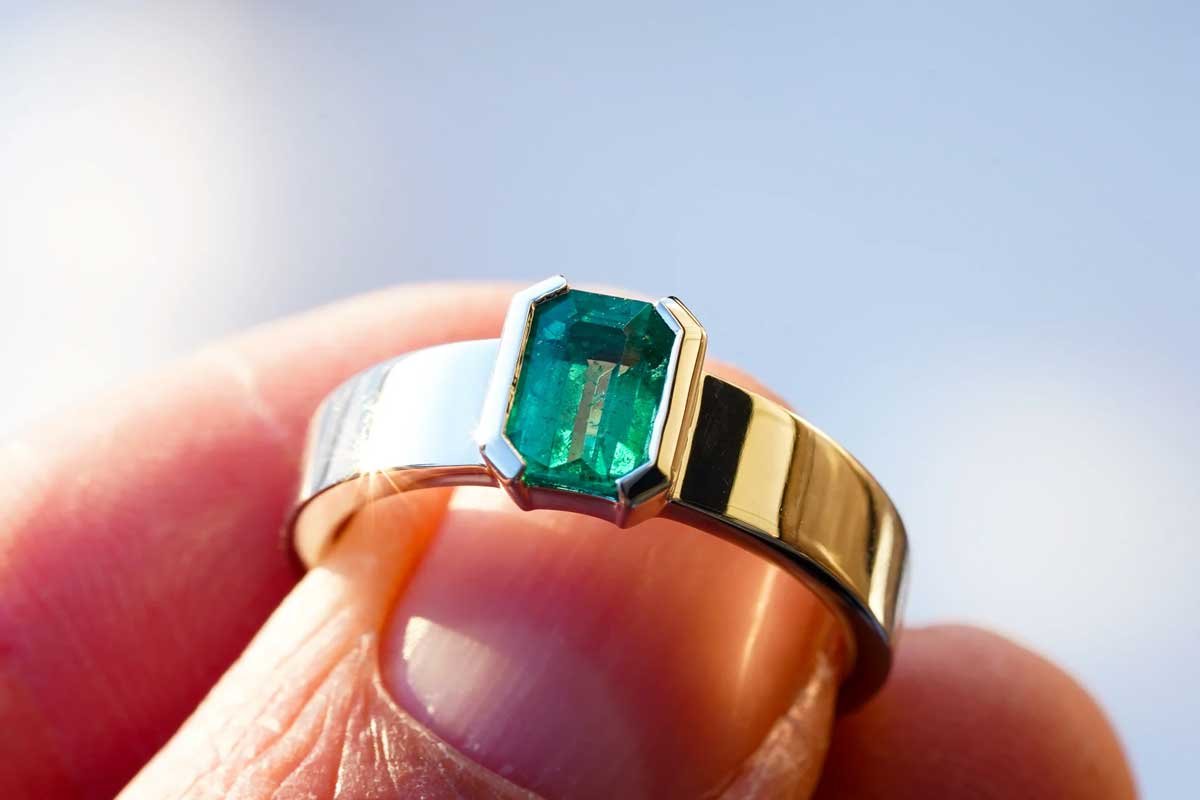
If you are stepping outside the traditional diamond box, the world of colored gemstones and alternative minerals offers an extraordinary palette of possibilities. However, choosing the perfect stone involves balancing beauty with everyday practicality. An engagement ring is meant to be worn for a lifetime, meaning durability is just as important as visual appeal.
This comprehensive guide explores the best gemstones for engagement rings, evaluating their beauty, symbolic meaning, and practical wearability to help you find a piece that truly tells your story.
Understanding Gemstone Durability: The Mohs Scale
Before diving into specific stones, it is essential to understand how gemstone durability is measured. Gemologists rely on the Mohs Scale of Mineral Hardness, which rates minerals from 1 (softest, like talc) to 10 (hardest, like diamond).
For a ring intended for daily, lifelong wear, a gemstone should ideally score a 7 or higher on the Mohs scale. Stones below this threshold are more prone to scratching, chipping, or dulling over time and require specialized, protective settings or occasional lifestyle adjustments.
Top Gemstones for Engagement Rings
1. Blue Sapphire: The Royal Standard
- Mohs Hardness: 9
- Symbolism: Loyalty, wisdom, nobility, and truth
Sapphires are arguably the most popular diamond alternative for engagement rings, famously epitomized by the iconic oval blue sapphire ring worn by Princess Diana and later passed down to the Duchess of Cambridge.
Belonging to the corundum mineral family, sapphires are exceptionally durable, second only to diamonds. While deep royal blue is the most celebrated hue, sapphires naturally occur in an extraordinary spectrum of colors—including pink, yellow, green, violet, and the rare, salmon-toned Padparadscha sapphire.
Why choose it: Its incredible hardness makes it perfect for daily wear, and its rich, velvety tones look spectacular in both classic vintage settings and sleek, modern white gold or platinum bands.
2. Ruby: The Stone of Eternal Passion
- Mohs Hardness: 9
- Symbolism: Passion, courage, love, and protection
Also a member of the corundum family, a ruby is essentially a red sapphire. It shares the same elite level of durability, making it an excellent candidate for a lifetime piece. Rubies have been treasured by royalty throughout history as a symbol of vitality and deep, fiery love.
The most sought-after rubies possess a vibrant, medium-dark red hue often referred to as “pigeon’s blood.” A ruby engagement ring makes a bold, romantic statement and pairs exquisitely with yellow gold for a warm, antique look, or with a halo of smaller white diamonds to maximize its brilliant contrast.
Why choose it: It offers the ultimate combination of romantic symbolism, striking color, and exceptional resistance to scratching.
3. Emerald: Vintage Sophistication
- Mohs Hardness: 7.5 to 8
- Symbolism: Rebirth, fertility, love, and new beginnings
Emeralds belong to the beryl family and are prized for their unparalleled, rich green hues. From deep forest greens to vibrant minty tones, an emerald exudes an unmistakable air of luxury and timeless vintage elegance.
While emeralds score well on the Mohs scale regarding hardness, they naturally contain internal inclusions, often called jardin (the French word for garden). These inclusions give each stone a unique fingerprint but can make the stone more brittle than sapphires or diamonds.
Why choose it: It provides an unmatched, aristocratic aesthetic. To ensure its longevity, consider choosing an emerald cut (which reduces stress on the stone) and setting it in a protective bezel or a secure prong arrangement.
4. Aquamarine: Serene Elegance
- Mohs Hardness: 7.5 to 8
- Symbolism: Tranquility, clarity, harmony, and marital happiness
Another stunning member of the beryl family, aquamarine captures the serene, crystal-clear beauty of the ocean. Its colors range from pale, icy blue to deep sea-green tones.
Because of its exceptional clarity, aquamarine often features fewer visible inclusions than its cousin, the emerald, allowing for a brilliant, glassy sparkle. Its cool, understated tone offers a modern, sophisticated alternative to traditional white stones without being overly loud.
Why choose it: It is a highly wearable, elegant option that coordinates effortlessly with any wardrobe, symbolizing a calm and harmonious marriage.
5. Morganite: The Modern Romantic
- Mohs Hardness: 7.5 to 8
- Symbolism: Divine love, compassion, and emotional healing
Morganite has exploded in popularity over the last decade, becoming a favorite for contemporary, feminine engagement ring designs. This pink-to-peach variety of beryl offers a soft, warm glow that feels incredibly romantic.
Morganite looks particularly stunning when set in rose gold, which accentuates its delicate pastel undertones. It offers a high degree of clarity and a beautiful sparkle at a fraction of the cost of a pink diamond or pink sapphire.
Why choose it: It is ideal for the bride who loves soft, warm, blush tones and desires a feminine, trendy look that remains durable enough for daily wear.
6. Moissanite: Ultra-Brilliant and Eco-Conscious
- Mohs Hardness: 9.25
- Symbolism: Unbreakable bond, brilliance, and innovation
If you love the appearance of a colorless stone but want something more sustainable, ethically clear, or budget-friendly than a mined diamond, moissanite is the premier choice. Originally discovered in a meteor crater, almost all moissanite used in jewelry today is meticulously created in laboratories.
Moissanite boasts a hardness of 9.25, making it tougher than any natural gemstone besides a diamond. Furthermore, it possesses a higher refractive index than a diamond, meaning it actually exhibits more fire and rainbow-like brilliance when it catches the light.
Why choose it: It offers a magnificent, conflict-free, colorless sparkle with a level of durability that will easily withstand a lifetime of daily activity.
Finding the Perfect Setting for Your Gemstone
Selecting the gemstone is only half the journey; choosing the right setting and jewelry designer is crucial to bringing your vision to life. For those seeking masterfully crafted fine jewelry that seamlessly blends timeless elegance with contemporary design, exploring curated collections is an excellent next step. You can discover stunning inspiration, high-quality craftsmanship, and unique design aesthetics by visiting Mevo Jewellery, a boutique dedicated to creating sophisticated, meaningful pieces.
When pairing a colored gemstone with a setting, keep these design tips in mind:
- The Bezel Setting: If you select a slightly softer stone like emerald or a unique quartz variety, a bezel setting wraps a protective metal rim entirely around the stone’s edge, shielding it from accidental bumps.
- Metal Contrasts: Yellow gold beautifully complements warm tones like ruby and morganite. White metals (platinum and white gold) look exceptionally striking against cool tones like blue sapphire and aquamarine.
- The Halo Effect: Surrounding a colored gemstone with a “halo” of small, colorless moissanites or diamonds dramatically amplifies the center stone’s color and makes the overall ring appear larger and more brilliant.
Final Thoughts: Making It Personally Yours
Your engagement ring is a daily reminder of a beautiful commitment. Stepping away from convention to choose a unique gemstone allows you to infuse personal meaning, color, and individuality into a piece of jewelry you will cherish forever.
Whether you are drawn to the royal blue of a sapphire, the fiery passion of a ruby, or the modern, sustainable sparkle of a moissanite, understanding how to balance a stone’s beauty with its structural durability ensures your ring will remain as breathtaking on your golden anniversary as it was the day it was placed on your finger. Take your time, explore different hues, and choose the stone that resonates most with your unique love story.