
Digital healthcare services continue transforming how people manage their health and access essential treatments. Among the most significant changes in recent years is the rapid growth of online pharmacies, which are reshaping the way consumers purchase medications and healthcare products. As lifestyles become increasingly fast-paced and digitally connected, many individuals are turning to online healthcare solutions that provide greater convenience, flexibility, and accessibility while reducing many of the barriers associated with traditional pharmacy visits.
The Shift Toward Digital Healthcare Solutions
Healthcare delivery has evolved significantly as consumers increasingly expect faster and more accessible services across all aspects of daily life. The rise of telehealth, digital consultations, and electronic prescriptions has contributed to the growing demand for more convenient access to medication.
An online pharmacy allows patients to manage prescriptions, order healthcare products, and arrange medication delivery without visiting a physical location. This shift toward digital healthcare solutions reflects broader consumer preferences for services that save time and simplify healthcare management.
Improving Accessibility for Patients in Different Locations

Access to healthcare services can be challenging for individuals living in rural areas, those with mobility limitations, or people managing demanding work schedules. Traveling to a pharmacy may not always be convenient, especially for patients requiring ongoing medication management.
Online pharmacy services help reduce these barriers by providing direct access to medication through digital platforms. Patients can often upload prescriptions, consult healthcare professionals remotely, and receive medications delivered to their homes, improving accessibility for a wider population.
Supporting Greater Convenience in Daily Life

Convenience remains one of the primary reasons consumers choose digital healthcare services. Traditional pharmacy visits may involve wait times and scheduling challenges that interfere with busy routines.
Many consumers using an online pharmacy appreciate the ability to refill prescriptions, compare products, and manage medication orders from home or while traveling. Automated reminders and digital account management tools also help simplify the maintenance of consistent treatment schedules.
Enhancing Privacy and Patient Comfort
Some patients may feel uncomfortable discussing sensitive health concerns in busy public environments. Online healthcare services offer a more private and discreet experience for individuals seeking medications related to personal or ongoing medical conditions.
Digital pharma enhances confidence by allowing patients to manage prescriptions and communicate with healthcare providers remotely. This additional level of privacy may encourage individuals to seek care more comfortably and consistently.
The Role of Technology in Medication Management
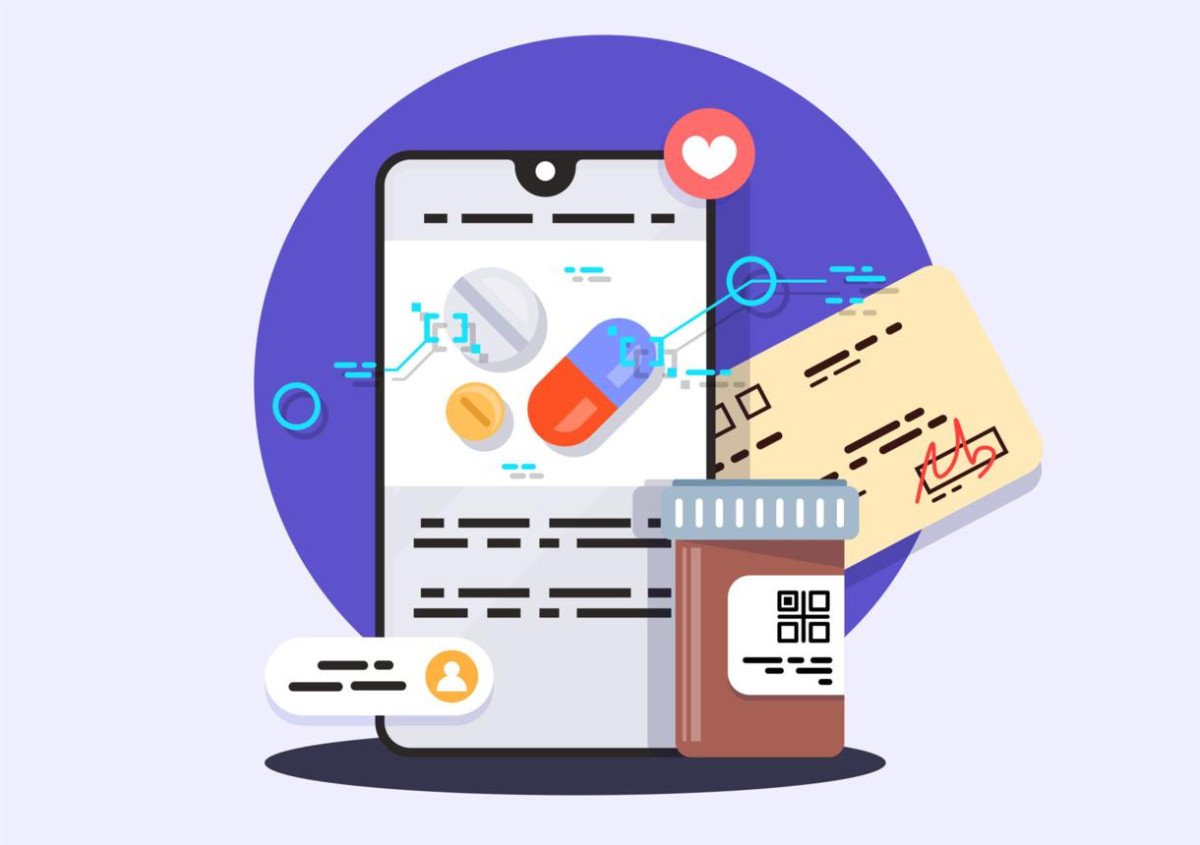
Technoto improves the efficiency and reliability of digital healthcare systems. Electronic prescriptions, secure payment systems, mobile healthcare applications, and delivery tracking tools have enhanced the overall patient experience.
These digital innovations also help reduce prescription errors, improve medication organization, and support better communication between patients and healthcare providers. As healthcare technology continues advancing, online pharmacy services are likely to become even more integrated into routine healthcare management.
The Future of Medication Accessibility
The growing popularity of online pharmacies reflects broader changes in how consumers approach healthcare access and convenience. Patients increasingly value healthcare solutions that combine accessibility, efficiency, and digital flexibility within their daily lives.
As healthcare systems continue adopting digital technologies, online pharmacy services are expected to play an increasingly important role in improving medication accessibility and patient convenience. Their ability to simplify prescription management while expanding healthcare access positions them as an important part of the future of modern healthcare delivery.