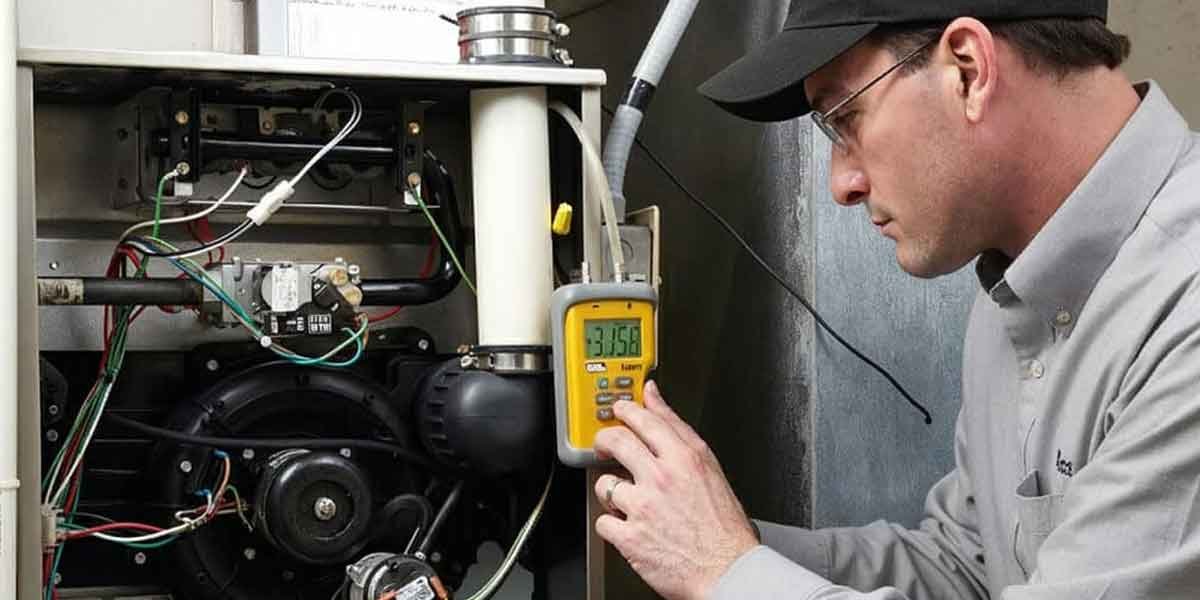
Seasonal changes often place additional demands on residential heating systems, making them more vulnerable to performance issues as temperatures shift. A furnace that seemed to work without trouble during the previous season may develop hidden mechanical concerns after months of inactivity or extended use. Timely furnace repair service helps identify these concerns before they disrupt household comfort, increase energy costs, or cause inconvenient breakdowns.
Addressing small problems early keeps heating equipment operating more consistently while reducing unnecessary strain on important components.
Maintaining operational efficiency also protects your household from unexpected utility spikes during cold weather shifts. When parts wear down, systems work harder to distribute heat, inflating bills. Homeowners seeking reliable climate control can look into professional options for furnace repair in Pensacola to resolve underlying mechanical issues before seasonal temperature drops compromise home comfort.
Regular attention during seasonal transitions helps maintain consistent indoor temperatures and eases the adjustment as weather conditions continue to change.
Staying Ready for Every Season
1. Understanding Seasonal Stress on Heating Equipment
As seasons change, furnaces experience different operating conditions that can reveal weaknesses hidden during periods of lighter use. Components such as burners, blowers, ignition systems, belts, filters, and thermostats may respond differently as temperatures drop and heating demand increases. Dust accumulation, worn electrical connections, and reduced airflow often remain unnoticed until the furnace must run for longer periods every day. Furnace repair service allows trained technicians to inspect these systems carefully, identify developing faults, and correct them before they become larger mechanical failures. Seasonal transitions are particularly challenging because equipment moves from occasional operation to continuous heating cycles, placing added pressure on aging parts.
Minor vibrations, delayed ignition, or inconsistent airflow can gradually worsen without immediate attention, leading to uncomfortable indoor conditions and unexpected repair costs.
When mechanical components struggle during seasonal transitions, finding professional furnace repair near me ensures that small structural issues are resolved before they cause serious damage. Local technicians inspect electrical connections and test overall airflow to maintain safe operating conditions. Taking these steps early limits system failures and supports balanced household temperatures.
Homeowners who schedule repairs before colder weather arrives often experience fewer interruptions because underlying issues are corrected while they are still manageable. Preventive repairs also improve airflow efficiency, helping each heating cycle deliver consistent warmth throughout every room instead of creating uneven temperatures. Taking action before heavy seasonal demand begins helps preserve equipment reliability while supporting comfortable living conditions throughout changing weather patterns.
2. Preventing Small Mechanical Issues from Becoming Major Repairs
Many furnace failures begin with relatively minor defects that remain unnoticed until seasonal demands increase significantly. Loose electrical terminals, worn fan motors, cracked heat exchanger seals, dirty flame sensors, and deteriorating belts may continue functioning for weeks before eventually causing complete system shutdowns. Furnace repair service focuses on identifying these warning signs while they remain relatively inexpensive to correct. Repairing a single failing component often prevents additional parts from experiencing unnecessary stress, reducing the likelihood of larger mechanical failures later in the season. Custom/Design Heating & Air Conditioning demonstrates how routine attention to heating systems can contribute to more dependable seasonal performance.
Delaying repairs allows problems to spread throughout interconnected components because every mechanical system relies on other parts functioning correctly. A struggling blower motor may force the furnace to operate longer than necessary, increasing wear across the entire system. Similarly, restricted airflow from clogged filters or damaged fans can overheat internal components and shorten equipment lifespan. Addressing these concerns during seasonal transitions reduces the need for emergency repairs while giving homeowners greater confidence that their heating system will perform reliably as outdoor temperatures continue to fall.
3. Maintaining Consistent Indoor Temperatures During Weather Changes
One of the most noticeable benefits of furnace repair service during seasonal transitions is maintaining steady indoor temperatures despite unpredictable weather patterns. Temperature fluctuations place varying demands on heating equipment throughout the day, requiring the furnace to adjust operating cycles more frequently. If components are worn or partially malfunctioning, these changing demands often result in uneven heating, cold rooms, or extended heating cycles that consume additional energy. Repair services help restore proper airflow, thermostat communication, burner performance, and blower operation so the entire system responds more effectively to changing conditions.
Homes with consistent heating cycles generally experience fewer comfort complaints because warm air circulates evenly across different living spaces. Occupants avoid constantly adjusting the thermostat to compensate for inconsistent furnace performance. Repair technicians also evaluate airflow restrictions that may prevent heated air from reaching distant rooms efficiently. Correcting these issues improves circulation while reducing unnecessary strain on the furnace itself. As outdoor temperatures shift between cool mornings, warmer afternoons, and cold evenings, a properly repaired furnace adapts more smoothly to changing heating demands, creating a comfortable indoor environment throughout the seasonal transition.
4. Improving Energy Efficiency Before Peak Heating Demand
Heating systems naturally consume more energy during colder months, making seasonal efficiency increasingly important for homeowners seeking manageable utility expenses. Furnace repair service improves efficiency by correcting mechanical issues that cause the equipment to work harder than necessary. Dirty burners, faulty ignition systems, blocked airflow, damaged blower assemblies, and inaccurate thermostats all increase operating time while reducing heating performance. When these problems are repaired before heavy seasonal use begins, the furnace requires less effort to achieve the desired indoor temperature. Efficient operation benefits both equipment longevity and monthly energy consumption by completing each heating cycle with fewer interruptions. Small adjustments performed during repair appointments often produce noticeable improvements in system responsiveness, reducing unnecessary cycling and excessive fuel usage.
Proper calibration of controls allows the furnace to start and stop at appropriate intervals instead of continuously compensating for mechanical inefficiencies. Repair technicians may also identify insulation gaps around duct connections that reduce heating effectiveness, allowing conditioned air to reach living spaces more efficiently. Seasonal repairs, therefore, contribute not only to household comfort but also to responsible energy management during periods of increased heating demand.
5. Protecting Indoor Air Quality During Seasonal Transitions
Seasonal home transitions often coincide with increased time spent indoors, making indoor air quality an important consideration alongside heating performance. Furnace repair service supports healthier indoor environments by addressing mechanical issues that impair airflow and air quality. Dirty blower compartments, clogged filters, damaged ducts, and malfunctioning ventilation components may circulate dust, allergens, and other airborne particles throughout the home. Repair appointments provide opportunities to identify these concerns before heating systems begin operating for extended periods each day. Improved airflow allows filtration systems to capture contaminants more effectively while maintaining balanced circulation across different rooms.
Properly functioning heating equipment also reduces excessive humidity fluctuations that sometimes contribute to condensation or stale indoor conditions during colder months. Repairing damaged seals and correcting airflow restrictions minimize unnecessary dust movement while helping the furnace distribute conditioned air more evenly. Families with children, older adults, or individuals sensitive to airborne particles often appreciate the added comfort that accompanies improved system cleanliness. Rather than simply producing warm air, a properly repaired furnace helps maintain a cleaner indoor environment that remains comfortable through changing seasonal conditions and prolonged heating periods.
Seasonal transitions challenge heating systems by increasing operating demands precisely when hidden mechanical issues are most likely to appear. Furnace repair service helps homeowners prepare for these changing conditions by identifying worn components, restoring efficient operation, improving airflow, supporting indoor comfort, and reducing the likelihood of inconvenient breakdowns. Timely repairs also contribute to cleaner indoor air, lower energy consumption, and longer equipment life by preventing small defects from developing into larger mechanical failures. Maintaining a dependable furnace before seasonal demand peaks allows households to enjoy consistent warmth, greater reliability, and greater confidence that their heating system is prepared for changing weather throughout the year.