Indoor moisture problems often develop gradually, making them difficult for homeowners to notice until visible damage appears. Excess humidity, hidden condensation, and poor ventilation can quietly affect walls, ceilings, flooring, insulation, and even indoor air quality over time, observes KRS Holdings Harrisonburg. Heating and cooling systems influence how moisture moves throughout a building, making their proper installation and maintenance an important part of protecting a home’s structure. An HVAC contractor helps identify conditions that contribute to excess moisture and recommends adjustments to improve airflow, temperature balance, and humidity control. These efforts reduce the likelihood of long-term deterioration and help create a healthier, more comfortable indoor environment.
Understanding Moisture Control
1. How HVAC Systems Influence Indoor Humidity
Heating and cooling equipment does much more than regulate temperature, as each operating cycle also affects the amount of moisture suspended in indoor air. During warmer months, air conditioners remove humidity while cooling the living space, but that process depends on the equipment functioning properly and the airflow remaining balanced throughout the home. If an air conditioner cycles too quickly, it may cool rooms before removing sufficient moisture, leaving indoor humidity higher than expected. Likewise, poorly designed ductwork or blocked vents can create uneven temperatures, which can encourage condensation in certain areas.
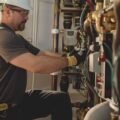
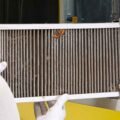
An HVAC contractor evaluates these operating conditions to determine whether the system is maintaining appropriate humidity levels throughout the home rather than simply reaching the desired thermostat setting. Moisture management often requires examining insulation around ducts, checking drain lines, inspecting evaporator coils, and verifying that ventilation components are operating efficiently. A properly maintained system supports consistent indoor comfort while minimizing conditions that allow dampness to accumulate inside walls, crawl spaces, attics, or other hidden locations where damage can develop unnoticed over time.
2. Identifying Hidden Moisture Sources Before Damage Occurs
Many moisture-related issues begin in areas homeowners rarely inspect, making early detection an important part of preventing costly repairs. HVAC contractors frequently inspect areas around air handlers, condensate drain systems, refrigerant lines, and duct connections, where leaks or condensation may develop gradually. Small amounts of water escaping over several months can weaken framing materials, stain drywall, encourage mold growth, and reduce insulation performance without attracting immediate attention. During inspections, contractors look for rust, corrosion, standing water, clogged drain pans, damaged insulation, and signs of excessive condensation around equipment. Even minor airflow restrictions can contribute to temperature differences that encourage moisture buildup on cool surfaces.
Homes in Arlington Heights can benefit from routine HVAC evaluations to identify hidden humidity issues before they affect structural materials. Addressing these conditions early often prevents the need for larger restoration projects, extends the life of building materials, and reduces unnecessary repair expenses. Careful observation of moisture patterns allows adjustments that improve long-term system performance while protecting the indoor environment from gradual deterioration.
3. Improving Ventilation to Reduce Damp Indoor Conditions
Proper ventilation plays a significant role in controlling indoor moisture because everyday activities continuously introduce water vapor into living spaces. Cooking, showering, laundry, and even normal breathing contribute humidity that must be removed or balanced before it accumulates indoors. Without adequate ventilation, warm, moist air may settle inside bathrooms, kitchens, laundry rooms, and basements, where condensation develops on cooler surfaces. An HVAC contractor evaluates whether exhaust fans, fresh-air intake systems, and return-air pathways are working together efficiently to maintain healthy indoor conditions. In some homes, poor ventilation creates stagnant air pockets where moisture lingers longer than expected, increasing the possibility of mold growth or wood deterioration.
Contractors may recommend airflow adjustments, improved ventilation strategies, or equipment modifications that encourage steady air movement throughout the home. These improvements reduce indoor moisture levels while helping heating and cooling equipment operate more consistently. Balanced ventilation not only supports structural preservation but also creates a more comfortable environment by minimizing dampness, lingering odors, and uncomfortable humidity fluctuations throughout changing seasons.
4. Preventing Condensation Around HVAC Components
Condensation forms whenever warm, humid air encounters colder surfaces, making certain HVAC components naturally vulnerable if surrounding conditions are not properly managed. Refrigerant lines, supply ducts, cooling coils, and metal equipment cabinets can all develop moisture under unfavorable conditions. While some condensation is expected during cooling, excessive moisture usually indicates underlying issues with insulation, airflow, humidity, or drainage. HVAC contractors inspect insulation surrounding cold surfaces to ensure it remains intact and free from gaps that expose chilled metal to humid indoor air.
They also verify that condensate drain systems effectively remove collected water without causing backups or overflow. Proper airflow helps maintain equipment temperatures within intended operating ranges while reducing unnecessary condensation throughout the system. Contractors may also evaluate nearby building materials for signs that recurring moisture has already begun affecting surrounding structures. Taking corrective action before water repeatedly accumulates around HVAC equipment helps preserve flooring, framing, drywall, and insulation while reducing conditions that encourage biological growth or structural weakening over extended periods of operation.
5. Maintaining Ductwork to Protect the Home Interior
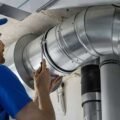
Duct systems distribute conditioned air throughout a building, but they can also affect moisture movement if there are leaks, poor insulation, or improper installation. Air escaping into attics, crawl spaces, or wall cavities may create temperature differences that promote condensation inside concealed areas. Likewise, humid outdoor air entering damaged ducts can increase indoor moisture levels while forcing equipment to work harder to maintain comfort. HVAC contractors inspect duct joints, insulation, support systems, and sealing materials to ensure conditioned air reaches intended living spaces efficiently.
They also evaluate whether return ducts are drawing unwanted moisture from crawl spaces, garages, or unfinished basements. Properly maintained ductwork helps maintain balanced humidity while minimizing hidden condensation within structural cavities. Addressing duct-related issues also supports consistent airflow, allowing cooling equipment to remove moisture more effectively during periods of high outdoor humidity. These inspections help preserve indoor finishes, reduce unnecessary energy consumption, and limit the possibility of water-related deterioration developing behind walls or above ceilings where homeowners may not notice problems until significant damage has already occurred.
Moisture-related damage often develops silently, affecting both the structural integrity of a home and the quality of the indoor environment. Heating and cooling systems significantly influence humidity levels, ventilation, airflow, and condensation, making regular attention to HVAC performance an effective way to reduce these risks. An HVAC contractor evaluates equipment and surrounding conditions to identify problems that might otherwise go unnoticed for months or even years. Through careful inspections, timely maintenance, and practical system adjustments, homeowners can minimize unnecessary moisture accumulation while protecting building materials and maintaining comfortable indoor conditions throughout the seasons.