Air conditioning systems are expected to keep homes comfortable throughout changing seasons, yet many homeowners overlook one of the simplest maintenance tasks that influences long-term performance. While modern cooling equipment is built for durability, even the most dependable system can experience unnecessary strain when airflow becomes restricted. A neglected air filter may appear insignificant, but over time it can contribute to reduced efficiency, uneven cooling, and increased wear on important components. Replacing filters at appropriate intervals promotes healthier airflow, supports reliable operation, and helps prevent issues that often lead to unexpected repair appointments and costly interruptions to everyday comfort.
Why Filters Matter
1. Clean Filters Help Airflow Stay Consistent
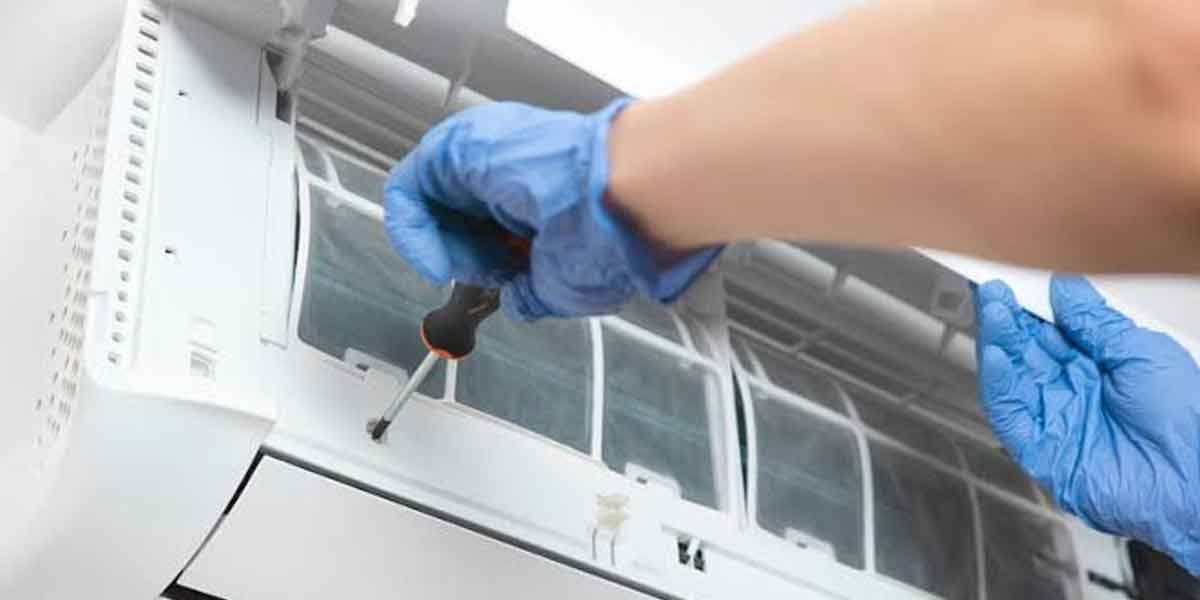
An air conditioning system depends on a continuous flow of air moving through the return ducts, filter, blower, evaporator coil, and supply vents before circulating throughout the home. Every stage of this process relies on minimal resistance, allowing conditioned air to travel efficiently from one area to another. When a filter becomes packed with dust, pet hair, pollen, and household debris, the blower must work much harder to move the same amount of air. That additional workload affects multiple parts instead of remaining isolated to the filter itself. Motors may run longer, cooling cycles may be extended, and temperatures throughout the home may begin to fluctuate.
Homeowners sometimes mistake these symptoms for equipment failure when the real issue is simply a clogged filter restricting airflow. Replacing filters according to the manufacturer’s recommendations helps maintain steady circulation, allowing the cooling system to perform as intended without placing unnecessary stress on internal components. This simple habit supports smoother operation over many seasons and can significantly reduce the number of service visits caused by avoidable airflow-related problems.
When mechanical strain from restricted airflow accumulates, it can shorten the overall operating life of your cooling system. Taking care of these basic components prevents premature system declines that eventually require comprehensive replacement planning. Homeowners considering a brand new unit to maximize their indoor comfort can look into professional ac installation in Savannah to ensure optimal structural sizing and long-term efficiency right from the start.
2. Preventing Wear on Important Components
Air conditioners consist of numerous interconnected parts that rely on one another to function correctly. A blocked filter creates conditions where each of these components must compensate for reduced airflow. The blower motor may run for longer periods, the evaporator coils may struggle to absorb heat efficiently, and the compressors may experience increased pressure as cooling demand increases. Over time, this ongoing strain accelerates wear and shortens the lifespan of various mechanical parts. A consistent filter replacement schedule helps reduce this unnecessary workload before it leads to larger mechanical issues.
Vallee Air Conditioning and Heating often reminds homeowners that routine filter maintenance supports the performance of the entire cooling system rather than protecting only a single component. When airflow remains unrestricted, equipment can complete cooling cycles more effectively, reducing operational stress and allowing moving parts to function under more favorable conditions. Small preventive actions performed throughout the year frequently contribute to fewer repair needs than waiting until symptoms become severe enough to require professional attention.
3. Cleaner Filters Help Protect Indoor Cooling Performance
Many homeowners judge their air conditioner solely by whether cool air comes from the vents, yet overall cooling performance involves much more than temperature alone. Restricted airflow caused by dirty filters can lead to inconsistent room temperatures, longer operating cycles, and difficulty maintaining thermostat settings during warmer weather. Some areas of the home may remain comfortable while others feel noticeably warmer because conditioned air cannot circulate evenly. Occupants often adjust thermostat settings lower in an attempt to compensate, causing the equipment to operate even longer without resolving the underlying issue. Replacing filters regularly helps maintain balanced airflow throughout the duct system, allowing cooled air to reach intended living spaces more consistently.
The system responds more efficiently to thermostat commands, reducing unnecessary cycling and maintaining greater indoor comfort. This improved airflow also helps preserve stable humidity levels, creating an indoor environment that feels cooler without placing additional demands on the equipment. Maintaining proper airflow contributes to reliable daily performance while reducing the likelihood of operational issues that may require repair.
4. Reducing Dust Accumulation Inside the System
Every home naturally produces airborne particles from everyday living. Dust from furniture, clothing fibers, cooking residue, pet dander, pollen, and outdoor contaminants all circulate in indoor air before entering the return ducts. Air filters serve as the primary barrier, capturing much of this material before it reaches delicate mechanical components. When filters become overloaded, more debris can bypass the filters and settle inside the blower assembly, evaporator coil, ductwork, and other internal surfaces. This buildup gradually reduces efficiency while increasing the effort required for the system to maintain desired temperatures. Dirty internal components also make routine maintenance more extensive and can contribute to overheating or restricted airflow.
Replacing filters before they become excessively dirty reduces the amount of debris entering sensitive equipment, helping preserve cleaner operating conditions throughout the system. Maintaining cleaner internal components not only supports reliable performance but also reduces the likelihood of service calls caused by preventable contamination that accumulates over extended periods.
5. Supporting Energy Efficiency Throughout the Year
Although homeowners often associate filter changes with cleaner air, the impact on energy use is equally significant. An unrestricted air filter allows conditioned air to move efficiently through the system, enabling cooling cycles to finish within normal operating times. Dirty filters force equipment to remain active longer because reduced airflow limits heat removal from indoor spaces. Longer operating cycles increase electricity consumption and cause unnecessary wear on motors, compressors, and fans. These additional operating hours accumulate throughout the cooling season, potentially increasing monthly utility expenses without improving indoor comfort. Routine filter replacement helps maintain efficient airflow, allowing the system to cool living spaces with less effort.
Consistent operation under favorable conditions supports dependable performance across varying weather conditions while minimizing unnecessary strain on electrical and mechanical components. Although changing a filter requires only a small investment of time and money, the long-term savings associated with improved efficiency and fewer repair appointments often make it one of the most valuable maintenance habits homeowners can adopt.
Routine filter changes represent one of the simplest yet most valuable maintenance habits for protecting an air conditioning system from unnecessary wear. Clean filters encourage proper airflow, reduce stress on essential components, improve cooling consistency, and limit dust accumulation within the equipment. These benefits work together to reduce the likelihood of mechanical problems that often lead to inconvenient repair visits and higher operating costs. While professional inspections remain important for identifying technical concerns, homeowners can significantly support system reliability through regular filter replacement. Small maintenance efforts performed consistently throughout the year often contribute to greater comfort, improved efficiency, longer equipment life, and fewer unexpected interruptions to dependable indoor cooling.