Ensuring proper filtration and ventilation plays a major role in keeping living environments clear of common airborne contaminants. Property owners who want to optimize their household setups can learn more about specialized air management solutions by reviewing professional maintenance guidelines. Consistently taking care of internal systems helps manage standard dust collection and maintains balanced humidity levels during extreme weather transitions.
Clean indoor air in a home supports breathing, comfort, and daily routines. Your HVAC system moves conditioned air throughout your home and helps limit the buildup of particles indoors. Since your system affects air movement, moisture, and temperature, it plays a steady role in indoor air quality. Here is more information about the ways HVAC systems contribute to indoor air quality:
Filter Airborne Contaminants
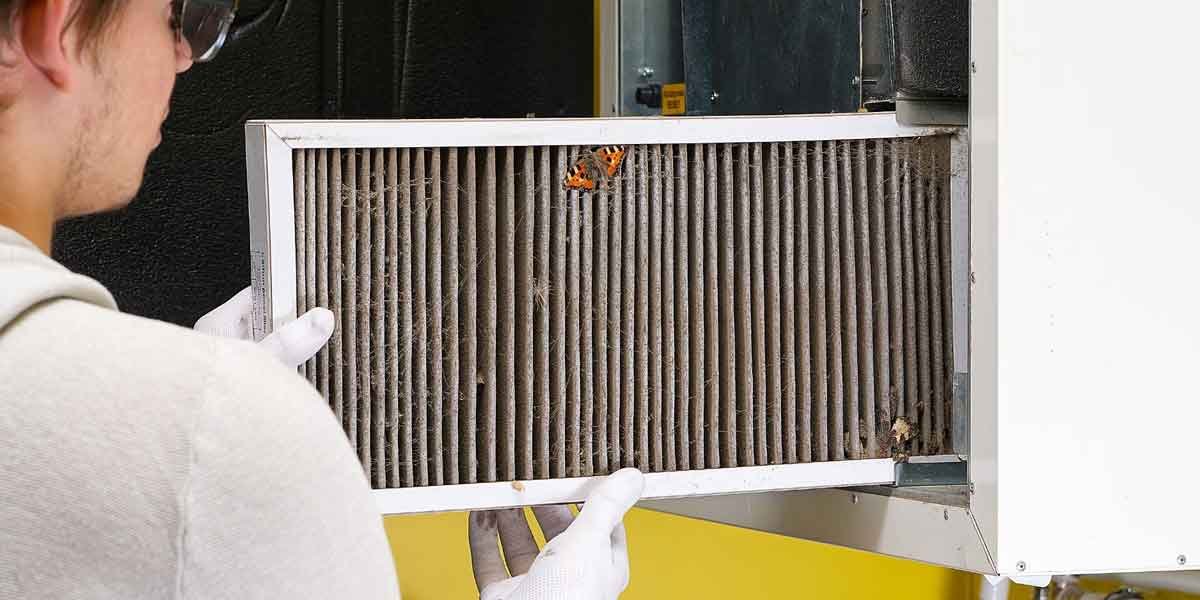
Your heating and cooling system helps remove particles before they move through the rooms in your home. Air passes through the filter, and dust collects there instead of settling across vents and furniture. Homes naturally accumulate dust and debris, and over time, these particles clog filters and reduce airflow. Keeping filters clean or replacing them regularly helps maintain normal airflow.
High-efficiency filters are useful in homes with pets or allergy concerns. They capture smaller particles, including pollen and pet dander. Once you use the right filter for your unit, your HVAC system will maintain normal airflow without putting extra strain on the equipment.
Improved circulation also limits stale air in closed rooms. Air returns to the system, and then it passes through the filter again. When you replace your filter on schedule, it helps maintain cleaner airflow and reduces dust buildup around supply registers. Clean filters also allow your HVAC system to circulate air without recirculating trapped debris into your living spaces.
Regulate Indoor Humidity
Balanced humidity helps your indoor air stay comfortable. Your system removes excess moisture during cooling cycles and helps reduce damp conditions that support mold growth. Since your home contains bathrooms, kitchens, laundry areas, and basements, humidity control helps limit moisture in areas where warm, wet air often lingers. The key benefits of humidity control include:
- Mold control: Lower moisture reduces conditions that allow spores to grow on walls and hidden surfaces.
- Comfort balance: Steady humidity keeps rooms from becoming too damp or too dry.
- Breathing support: Balanced moisture helps reduce air that irritates your throat or nasal passages.
- Material protection: Stable moisture helps protect wood furniture and flooring from swelling or cracking.
Ventilate Indoor Spaces
Your HVAC system helps circulate air throughout the home and, when ventilation is present, can assist in exchanging indoor air with outdoor air. Without adequate ventilation, odors and indoor pollutants accumulate and linger in rooms longer.
Ensuring a steady supply of fresh air helps minimize these airborne concerns and keeps the living space feeling cleaner. Homeowners who want to find practical solutions for updating their ventilation or filtration setups can Read more to explore specialized methods for improving circulation throughout different rooms. Taking these basic maintenance steps supports a more consistent home environment.
Proper air exchange also helps limit carbon dioxide buildup in occupied spaces such as bedrooms and home offices. In combination with a well-balanced system, this contributes to more consistent airflow and improved overall air freshness throughout the home.
Control Temperature Levels
Your system maintains steady indoor temperatures through hot and cold seasons. This consistency supports general comfort, since extreme heat or cold often affects how people feel in a space. In a typical home, heating and cooling work together to keep bedrooms, living areas, and workspaces comfortable and usable throughout the day.
Stable temperature control also reduces strain on the indoor environment. When rooms swing between warm and cold conditions, occupants experience more frequent adjustments to those changes. After a system is properly serviced and correctly sized, it maintains comfort with fewer noticeable fluctuations. Consistent temperatures also help distribute airflow more evenly across different rooms; this supports a more uniform feel throughout the home.
Maintaining these stable conditions is particularly important during the colder months when heating systems are under the most pressure. When your equipment operates efficiently, it not only supports air quality but also helps manage monthly energy costs more effectively. For those interested in the technical aspects of system care or seasonal readiness, you can continue reading to understand how regular professional inspections keep components running smoothly. This proactive approach ensures that your home remains a sanctuary of clean, comfortable air regardless of how much the temperature drops outside. Maintaining your heating infrastructure is a practical way to support long-term indoor wellness.
Beyond general system health, the mechanical condition of specific components can significantly influence how effectively your home manages airborne particles. For example, a worn-out heating unit may struggle to move air through high-efficiency filters, leading to uneven temperatures and reduced air freshness. Taking a proactive approach by searching for furnace repair near me can help you identify local experts who understand the seasonal demands of your region. Addressing these mechanical needs early ensures that your heating system remains a reliable part of your home’s air filtration strategy, supporting a cleaner environment even during the coldest months of the year.
Reduce Harmful Emissions
Installing an energy-efficient HVAC system reduces the amount of energy required to heat and cool a space. Lower energy use improves system performance and reduces overall energy demand. Since heating and cooling systems operate for long periods during peak seasons, efficiency plays a major role in total consumption over time.
Choosing an efficient system can also help homeowners manage long-term utility expenses while maintaining comfortable indoor temperatures. Homeowners can also compare electric rates texas to better understand available energy costs and make informed decisions about overall household energy use.
In fuel-powered heating systems, vents direct combustion by-products safely out of the home. This process prevents exhaust gases from entering living spaces, including carbon monoxide. During routine maintenance, technicians inspect components such as burners, the heat exchanger, and venting systems to support proper operation.
Routine technical checkups are essential for verifying that every part of your heating system remains in safe working condition. Professionals can identify small cracks or blockages that might otherwise go unnoticed, ensuring that exhaust is properly managed and energy is used efficiently. For those living in North Carolina, accessing localized expertise for seasonal tune-ups helps prepare the home for changing temperatures. You can view it now to see how specialized maintenance services address these specific mechanical needs before they turn into larger problems. Keeping the core components clean not only improves air quality but also supports the overall longevity of your household equipment.
Get HVAC Support for Cleaner Indoor Air
A well-maintained HVAC system filters airborne particles, helps regulate indoor humidity, and distributes air throughout the home. Because the equipment manages both temperature and air movement, it influences overall indoor conditions beyond heating and cooling alone. Regular service helps identify issues with airflow, venting, and filtration before they affect everyday comfort. Because regional climates vary significantly, local homeowners often look for specific service plans that align with their area’s seasonal changes. Finding the right HVAC service options in Tucson AZ can ensure that your system receives appropriate care for desert environments, where dust and heat can put extra stress on equipment. Investing in routine checkups helps keep components clean, maintains proper airflow, and ensures your home remains a comfortable and healthy space throughout the entire year. Contact an HVAC service provider today to ask about their available indoor air quality options and system inspections.