Scheduling your first air conditioning repair service appointment can feel unfamiliar, especially if you have never dealt with cooling system issues before. Knowing what typically happens during the visit helps remove uncertainty and allows you to prepare your home before the technician arrives. A repair appointment is not only about fixing an immediate problem but also about understanding the condition of the entire cooling system. From the initial inspection to the discussion of repair options, every step is designed to identify the cause of the issue and restore reliable performance, while helping homeowners make informed decisions about future maintenance and system care.
Understanding the Appointment Process
1. Preparing Your Home Before the Visit
Before the appointment begins, a little preparation can make the visit smoother for both you and the technician. Clearing furniture, storage boxes, or decorations away from the indoor unit allows easy access for inspection. If the outdoor condenser is surrounded by overgrown plants, garden tools, or debris, creating a clear workspace can also reduce delays. Homeowners should take note of unusual sounds, weak airflow, inconsistent temperatures, unpleasant odors, or higher-than-normal utility bills because these details often provide valuable clues during troubleshooting.
It is also helpful to know when the problem first appeared and whether it occurs continuously or only under certain conditions. Having this information available allows the inspection to move more efficiently and gives the technician a clearer picture of the system’s recent performance. Small preparations beforehand often save time and contribute to a more productive repair appointment for everyone involved.
Ensuring clear access around your system also allows the technician to focus fully on performance diagnostics rather than clearing spatial obstructions. Homeowners who want to secure reliable, year-round operation often benefit from establishing a relationship with local specialists. Seeking assistance from a dependable provider like C & G Heating & Cooling ensures that your system receives thorough evaluations that improve efficiency and prevent minor operational wear from turning into disruptive failures.
2. The Initial Inspection and System Evaluation
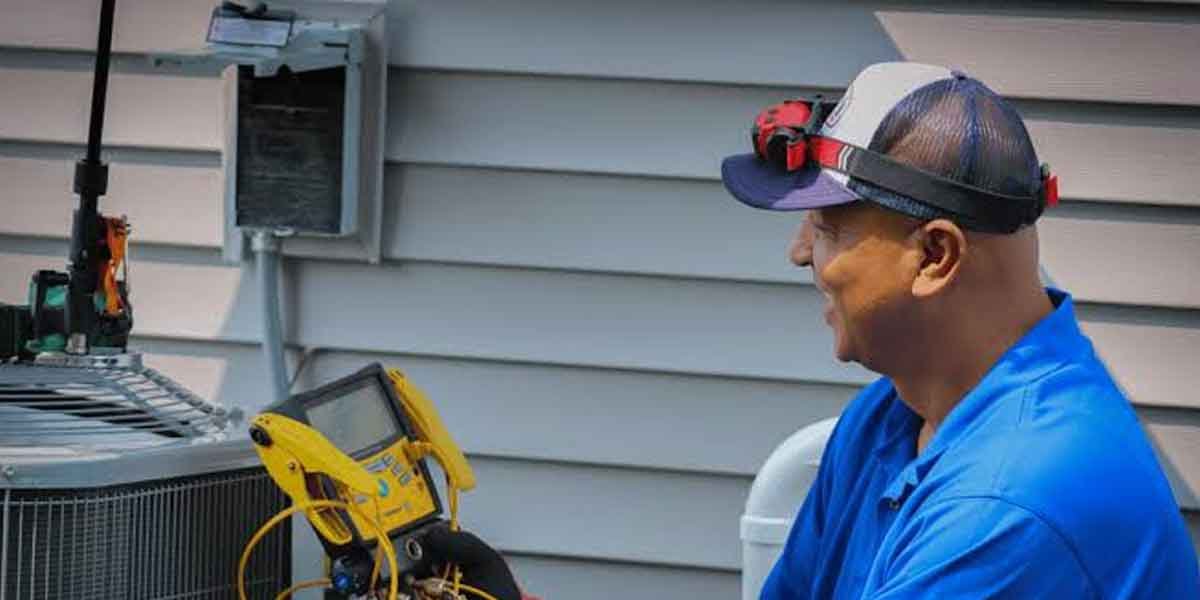
Once the technician arrives, the appointment usually begins with a conversation about the concerns you have noticed. Rather than immediately replacing parts, the technician often performs a detailed inspection of the entire air conditioning system to understand what may be affecting its performance. This process may include examining electrical connections, checking the thermostat, measuring airflow, inspecting filters, identifying refrigerant issues, and evaluating both the indoor and outdoor components. Instead of assuming one visible issue is responsible, the inspection focuses on identifying the underlying cause to prevent repeated problems later. Homeowners in Joshua often appreciate understanding each stage of the inspection because clear communication makes repair recommendations easier to evaluate.
During this stage, diagnostic tools may also be used to measure system pressures, temperatures, and electrical readings, providing information that cannot be determined through a simple visual inspection alone.
3. Diagnosing the Cause of the Problem
After gathering information from the inspection, the technician begins narrowing down the possible causes of the malfunction. Air conditioning systems contain many interconnected parts, meaning a symptom such as poor cooling could result from several different issues rather than a single obvious failure. For example, restricted airflow, electrical faults, thermostat problems, dirty coils, refrigerant leaks, or worn mechanical components may all produce similar symptoms. Careful testing helps distinguish between these possibilities without making unnecessary repairs. Throughout this process, homeowners are often given explanations about what is being tested and why certain measurements matter.
Understanding the diagnosis helps build confidence because repair recommendations are based on evidence rather than guesswork. If multiple concerns are discovered, the technician may explain which issue is directly responsible for the immediate problem and which items should be monitored or addressed later to support reliable long-term operation.
4. Discussing Repair Recommendations and Costs
Once the inspection and diagnosis have been completed, the technician typically explains the findings in straightforward language. Homeowners are informed about the condition of the affected components, the cause of the problem, and the recommended repairs. If replacement parts are needed, the technician may discuss whether they are immediately available or need to be ordered before the repair can be completed. Cost estimates are usually provided before work begins, allowing homeowners to understand labor charges, replacement parts, and any additional services that may be required.
This conversation also gives homeowners an opportunity to ask questions about repair priorities, expected system performance after the repair, and whether additional maintenance could help reduce future problems. Transparent communication during this stage allows homeowners to make informed decisions without feeling rushed, ensuring they understand both the immediate repair and its long-term value.
5. Completing the Repair and Verifying Performance
When approval is given, the technician begins the repair process using the appropriate tools and replacement parts. Depending on the issue, repairs may involve replacing worn electrical components, repairing wiring connections, cleaning blocked system parts, sealing refrigerant leaks, replacing motors, or correcting airflow restrictions. Once the repair is complete, the system is typically restarted and tested under normal operating conditions.
The technician checks whether temperatures, airflow, electrical readings, and cooling performance have returned to expected levels. This testing stage is important because it confirms that the original problem has been resolved rather than temporarily masked. If additional adjustments are needed, they can often be completed before the appointment ends. Homeowners may also be shown the repaired component and receive an explanation of how the repair improves system operation, helping them better understand the work that was performed.
6. Learning About Future Maintenance
Before leaving, many technicians spend time discussing simple maintenance practices that can help keep the air conditioning system operating more consistently. This conversation often includes guidance on changing air filters at appropriate intervals, keeping outdoor units free of debris, monitoring for unusual noises, and scheduling periodic inspections before the cooling season begins. Homeowners may also receive advice on recognizing early warning signs that should not be ignored, so smaller issues can be addressed before they require larger repairs. These recommendations are generally based on the condition of the individual system rather than generic maintenance advice.
Understanding how daily habits affect cooling performance allows homeowners to play an active role in preserving system efficiency. Rather than ending with only a completed repair, the appointment often provides valuable knowledge that supports more reliable operation and may reduce the likelihood of future unexpected breakdowns.
Setting up a regular care routine is equally valuable for long-term comfort. Working with an experienced local company like Wicomico Heating & Air Conditioning helps ensure your cooling system stays in peak condition throughout the changing seasons. Routine maintenance protects your initial investment, prevents unexpected performance issues, and contributes to better indoor air quality for your entire home.
Your first air conditioning repair service appointment is more than a simple repair visit. It is an opportunity to understand how your cooling system operates, identify existing issues, and receive guidance to support reliable performance going forward. From the initial inspection through diagnostic testing, repair discussions, completed work, and maintenance recommendations, every stage contributes to restoring comfort while helping homeowners make informed decisions.
Knowing what to expect before the technician arrives reduces uncertainty and encourages better communication throughout the appointment. With proper preparation and a clear understanding of the repair process, homeowners can approach future service visits with greater confidence and peace of mind.
When considering whether to proceed with a complex repair or invest in a new system altogether, speaking with an experienced professional can provide clarity. Working with a dedicated team like Air Solutions Heating and Cooling ensures that homeowners receive an accurate assessment of their equipment’s current health. This guidance helps clarify the long-term viability of different options, making it easier to decide on the most efficient and reliable path forward for the home.
Establishing a routine maintenance schedule can support long-term system health and lower utility costs. Homeowners who prioritize periodic inspections can catch minor issues before they escalate into major breakdowns. When looking to maximize system longevity and efficiency, scheduling timely ac repair ensures every component receives the necessary care to preserve a comfortable indoor environment.