You have an event coming up. Maybe it is a wedding; maybe it is a high-stakes reunion where you want to look like you have been getting the best sleep of your life for the past decade. The urge to do everything at once is strong. A little bit here, a little touch there. We have all felt that pressure to show up looking like a polished version of ourselves. But the trap is obvious: overdoing it. That frozen look or the sudden, unexplained puffiness is the opposite of the goal. The real trick to looking refreshed is restraint. It is about shifting the focus from changing your features to simply highlighting the good stuff.
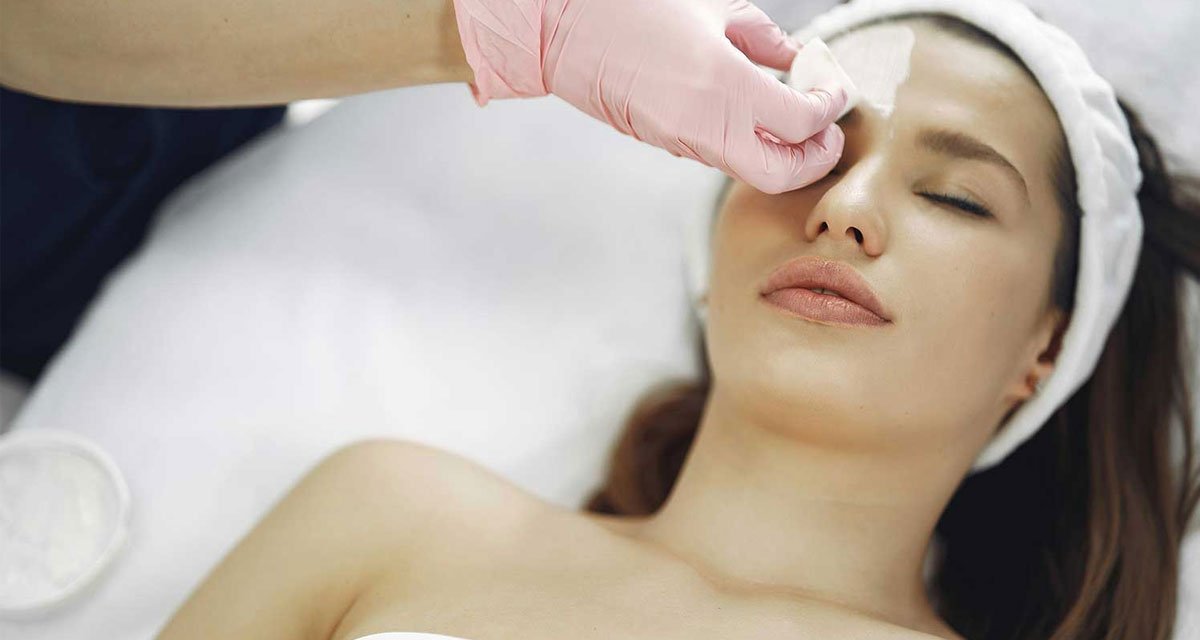
The Strategy of Small Adjustments
Getting ready for a big day should be a marathon, not a sprint. You want people to think you have been on a three-week vacation, not that you spent the afternoon in a chair. It starts with the basics: hydration, sleep, and maybe a few targeted treatments that keep things quiet and natural. Many people rush into heavy procedures a week before they need to be somewhere. That is a mistake. The best results often come from things that settle into the skin properly. It is not about the immediate “wow” factor; it is about the “you look great, did you change your hair?” factor.
You might be wondering where to start if you want to be smart about your preparation. You can visit the official Kinami Health website to get a clear perspective on how to approach these types of sessions. It is about preparation and patience. When you give your body time to process the changes, the results become far more balanced. The best approach is to avoid any major alterations too close to the date. Let everything settle in. Give it time to become part of your natural aesthetic. This is the only way to ensure you feel like yourself when you walk into the room.
Peptides and the Science of Maintenance
Peptides are fascinating tools in the current scientific landscape. They act like little messengers for your cells. When we talk about them in a research context, we are looking at how they signal the body to maintain structural integrity. They are not magic, and they are certainly not for human consumption, but they represent a rigorous way to think about long-term maintenance. In a laboratory setting, they are used to observe how tissues react to specific protein fragments.
- Increased interest in structural stability.
- Focus on cellular communication pathways.
- Development of highly specific targeted models.
When you look at the landscape of anti-aging research, these compounds are the quiet workers. They do not shout; they just get the job done by telling the skin to keep doing what it does best. Scientists are careful to keep these strictly for research purposes because their potential is still being mapped out in controlled environments. It is a slow, methodical process of discovery.
Focus on the Texture
Most people think rejuvenation is about volume. We see a line, we want to fill it. But often, the texture of the skin tells a much bigger story. If your skin is glowing and smooth, you can get away with a lot more, including a cream blush that still reads as skin under event lighting. Light reflection matters. When the surface is even, light hits your face in a way that makes you look vibrant. Think about skin barrier health. It is the foundation for everything else. If you are aggressive with peels or harsh active ingredients right before an event, you are fighting a losing battle. Your skin will be red, reactive, and stressed.
Instead, go for hydration-focused approaches. Look for ingredients that mimic the natural lipids in your skin. Keep the barrier intact. Your makeup will sit better, your natural glow will shine through, and you will not have to worry about flaking or uneven patches halfway through the event. It is a subtle shift in philosophy: protect first, treat second.
Why Less Really Is More
There is a specific look that happens when someone goes too far. You know it when you see it. The proportions get a little off. The balance is lost. When you stick to subtle rejuvenation, you keep the essence of your face intact. You are still you. You just have a bit more energy in your appearance.
- Consistency beats intensity every time.
- Plan your timeline based on recovery, not just the event date.
- Consult with professionals who prioritize a natural aesthetic.
Consider the role of muscle activity. Many people use treatments to calm down the movement that causes deep lines. That is fine, but the goal should be to keep some movement. A face that cannot express emotion looks uncomfortable to be around. If you are working on your look, ask for a “light” approach. It is easier to add more later than it is to wait for something strong to wear off.
Keeping the Perspective
The day of the event should be about having fun. If you are worried about how your face is moving or if your skin feels tight, you are going to miss the moment. The preparation you do in the months leading up to the event should be designed to give you peace of mind. By the time you get to the day itself, you should be able to forget about all the research and the treatments.
Think about your routine as a foundation for your confidence. When you know you have taken the right steps, you don’t have to check the mirror every five minutes. You can focus on the people around you and the experience itself. That is the ultimate goal of any aesthetic work. It is meant to support your life, not become the focal point of it. The best result is when the work you have done fades into the background, leaving only the version of you that feels ready for anything. Stay consistent, stay patient, and keep your goals grounded in the reality of your own features.