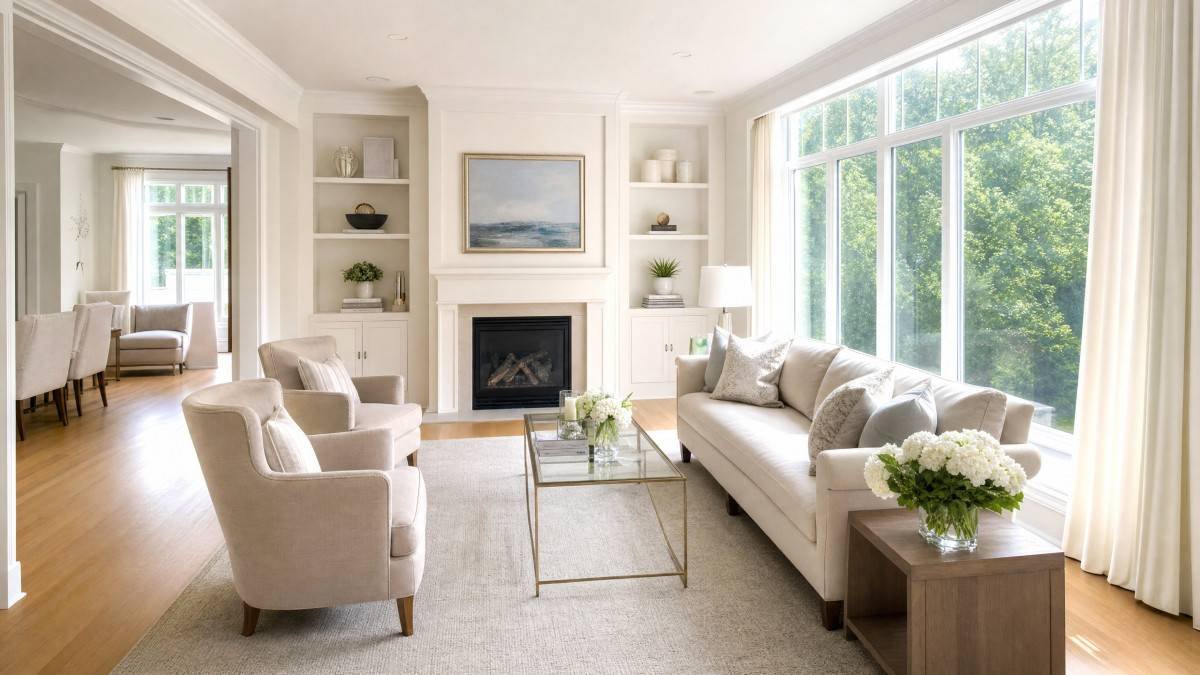
Optimizing natural light within a home is a critical strategy for sellers, as bright and airy spaces consistently attract more buyers and often lead to higher sale prices. Properties with poor natural lighting can rent or sell for up to 20% less per square foot than comparable homes with sufficient daylight [1]. This significant difference underscores the financial benefits of enhancing a home’s luminosity, making it a key focus for any seller aiming to maximize their property’s market appeal, highlights Newburyport Management.
The Undeniable Impact of Natural Light on Buyer Perception
Natural light profoundly influences how potential buyers perceive a home, creating an immediate sense of warmth, spaciousness, and overall well-being that artificial lighting struggles to replicate. This positive first impression is crucial, as it can sway a buyer’s emotional connection to a property and significantly impact their decision-making process during a showing.
The presence of ample natural light transforms a space, making it feel more expansive and inviting. Buyers often prioritize bright interiors, viewing them as indicators of a healthy and comfortable living environment. This perception is not merely aesthetic; it taps into a deeper psychological preference for well-lit spaces that evoke feelings of openness and tranquility. A home bathed in natural light feels more alive and vibrant, directly contributing to a positive buyer experience.
Beyond aesthetics, natural light plays a vital role in showcasing a home’s true potential. It highlights architectural details, reveals the true colors of walls and furnishings, and minimizes the need for artificial illumination, which can sometimes cast harsh or unflattering shadows. This authentic presentation allows buyers to envision themselves living in the space more clearly, fostering a stronger emotional connection that can be a decisive factor in a competitive market. As real estate expert Millie Rosenbloom notes, “Homes with strong natural light tend to sell faster and at higher prices than comparable properties without it” [1].
Furthermore, the psychological benefits of natural light are well-documented, influencing mood and overall well-being. A bright home can make individuals feel more energetic and positive, which subtly enhances the buyer’s experience during a showing. This subconscious uplift can make a property more memorable and desirable, distinguishing it from other homes that may feel dim or less welcoming. The overall effect is a powerful, unspoken endorsement of the home’s quality of life.
Strategic Window Treatments and Cleaning
Optimizing window treatments and ensuring pristine glass surfaces are fundamental steps in maximizing natural light, directly impacting the amount of daylight that can penetrate and illuminate interior spaces. These seemingly minor details can significantly enhance a home’s brightness and overall appeal during showings.
The first and most straightforward step is to open all curtains, blinds, and shades completely. Heavy or dark window coverings can severely obstruct natural light, even when partially open. Opt for lightweight, sheer fabrics if privacy is a concern, as these allow light to filter through while still offering a degree of seclusion. Removing any unnecessary decorative elements around windows can also help to clear the path for incoming sunlight, ensuring an unobstructed flow of light into the room.
Beyond opening treatments, the cleanliness of windows is paramount. Smudges, dust, and grime on glass panes can significantly diminish the amount of light entering a home. A thorough cleaning of both interior and exterior window surfaces will ensure maximum transparency, allowing natural light to flood the rooms unimpeded. This simple act can dramatically brighten a space and make it feel more inviting, contributing to a sparkling first impression.
Consider the type of window treatments used throughout the home. If current treatments are heavy, dark, or outdated, replacing them with lighter, more modern options can instantly update a room and enhance its brightness. Roller shades, sheer panels, or even leaving windows bare in areas where privacy is not an issue can create a more open and airy feel. The goal is to create an environment where natural light is not just present, but celebrated and allowed to permeate every corner.
The Power of Mirrors and Reflective Surfaces
Strategic placement of mirrors and the incorporation of reflective surfaces are highly effective techniques for amplifying natural light, bouncing it deeper into rooms and creating an illusion of greater space and brightness. These elements act as natural light extenders, transforming dimly lit areas into vibrant, inviting spaces.
Mirrors are perhaps the most potent tool for light amplification. Positioning a large mirror directly opposite a window allows it to capture and reflect the incoming daylight, effectively doubling the light source and distributing it across the room. This technique not only brightens the space but also makes the room appear larger and more open, a highly desirable trait for potential buyers. Experiment with different mirror sizes and orientations to find the most impactful placement.
Beyond traditional mirrors, consider other reflective surfaces that can contribute to a brighter interior. Glass-topped tables, polished metallic accents, and even glossy paint finishes can subtly reflect light, adding to the overall luminosity of a room. While these elements may not have the dramatic effect of a large mirror, their cumulative impact can significantly enhance the perception of natural light. The key is to integrate them thoughtfully, ensuring they complement the existing decor.
The strategic use of reflective surfaces extends to furniture and decor choices. Lighter-colored furniture and textiles naturally reflect more light than darker ones, contributing to an overall brighter aesthetic. Avoid heavy, dark pieces that absorb light and can make a room feel smaller and more enclosed. Instead, opt for pieces that are light in color and material, further enhancing the airy and open feel that natural light provides. This holistic approach ensures that every element in the room works in harmony to maximize brightness.
Optimizing Interior Colors and Furnishings
The choice of interior colors and furnishings plays a pivotal role in how a home interacts with natural light, with lighter hues and minimalist decor significantly enhancing brightness and creating a more spacious and appealing environment. These elements work in concert to either absorb or reflect light, directly influencing the perceived luminosity of a room.
Light-colored paint on walls and ceilings is perhaps the most effective way to amplify natural light. Whites, off-whites, and pale neutrals reflect light rather than absorbing it, making rooms appear brighter and more expansive. A fresh coat of light-colored paint can instantly revitalize a space, creating a clean canvas that maximizes the impact of incoming sunlight. This simple update offers a high return on investment in terms of visual appeal.
Similarly, selecting lighter-colored furnishings and textiles can further enhance a room’s brightness. Sofas, rugs, and decorative accents in pale shades contribute to an airy feel, reflecting light and preventing the space from feeling heavy or cluttered. Avoid dark, bulky furniture that can visually shrink a room and absorb precious natural light. The goal is to create a cohesive, light-filled aesthetic that feels welcoming and open to potential buyers.
Minimalist decor also plays a crucial role in maximizing natural light. Overly cluttered spaces can block light paths and create visual distractions, making a room feel smaller and less bright. By decluttering and opting for fewer, well-chosen pieces, you allow light to flow more freely throughout the space. This approach not only enhances brightness but also creates a sense of calm and order, which is highly appealing to buyers. Every element should contribute to an open, luminous atmosphere.
Exterior Landscaping and Obstruction Removal
Addressing exterior landscaping and removing any physical obstructions are crucial steps to ensure that natural light can freely enter a home, preventing shadows and maximizing the sun’s potential to illuminate interior spaces. Overgrown foliage or external structures can significantly impede light, making rooms appear darker than they are.
Start by trimming any overgrown trees, bushes, or shrubs that are close to windows. Even deciduous trees, which lose their leaves in winter, can cast significant shadows during other seasons. Pruning them back allows more direct sunlight to reach the windows, instantly brightening the interior. This is particularly important for south-facing windows, which receive the most direct sunlight throughout the day.
Inspect the exterior for any other potential light obstructions. Awnings, pergolas, or even poorly placed outdoor furniture can block light. While some of these elements may serve a purpose, consider if they are truly necessary or if they can be adjusted or temporarily removed during showing periods. The objective is to create an unobstructed path for natural light to enter the home, ensuring every room benefits from maximum exposure.
The impact of exterior obstructions is often underestimated. A seemingly small branch can cast a large shadow, significantly reducing the amount of light that enters a room. By proactively addressing these external factors, sellers can dramatically improve the interior brightness of their home, making it more appealing to prospective buyers. This attention to detail demonstrates a commitment to presenting the property in its best possible light, both literally and figuratively.
Strategic Lighting Fixtures and Bulb Choices
While natural light is paramount, strategic use of artificial lighting fixtures and appropriate bulb choices can effectively supplement daylight, especially in areas with limited natural illumination or during evening showings, ensuring a consistently bright and welcoming ambiance. Artificial light should enhance, not detract from, the natural brightness.
Ensure all light fixtures are in working order and have bulbs of appropriate wattage and color temperature. Warm white bulbs (2700K-3000K) create a cozy and inviting atmosphere, while cooler white bulbs (3500K-5000K) can mimic natural daylight, making spaces feel brighter and more energetic. Use a consistent color temperature throughout the home to maintain a harmonious feel. Dimmer switches can also be a valuable addition, allowing for adjustable ambiance.
Layering light is a key principle in effective lighting design. This involves using a combination of ambient (general), task (focused), and accent (decorative) lighting to create depth and visual interest. For example, recessed lighting can provide ambient illumination, while table lamps and floor lamps can offer task lighting and add warmth. Accent lighting, such as picture lights or uplights, can highlight architectural features or artwork, drawing the eye and enhancing the overall brightness.
Pay particular attention to areas that naturally receive less sunlight, such as hallways, bathrooms, and north-facing rooms. In these spaces, artificial lighting becomes even more critical. Consider adding additional fixtures, such as wall sconces or track lighting, to ensure these areas are well-lit and do not feel dark or neglected. The goal is to create a seamless transition between naturally lit and artificially lit spaces, ensuring every corner of the home feels bright and inviting.
The Psychology of Light and Buyer Appeal
Understanding the psychological impact of light on potential buyers is crucial, as bright, naturally lit homes evoke positive emotions, foster a sense of well-being, and create an inviting atmosphere that significantly enhances a property’s overall appeal and perceived value. Light is not just about visibility; it’s about feeling.
Natural light has a profound effect on human mood and behavior. Exposure to daylight is known to boost serotonin levels, reduce stress, and improve overall well-being. When buyers step into a home filled with natural light, they subconsciously experience these positive effects, leading to a more favorable impression of the property. This emotional connection can be a powerful motivator, making a home feel more like a sanctuary and less like a mere structure.
Furthermore, bright spaces are often associated with cleanliness, spaciousness, and modernity. A well-lit home appears meticulously maintained and more expansive than its actual square footage might suggest. This perception of increased space and tidiness is highly desirable to buyers, who are often looking for move-in ready properties that require minimal effort. The visual cues provided by ample natural light communicate a sense of care and quality.
The absence of natural light, conversely, can create feelings of gloom, confinement, and even neglect. Dark rooms can feel smaller, older, and less inviting, potentially deterring buyers even if the home has other desirable features. By maximizing natural light, sellers are not just brightening a room; they are actively shaping the buyer’s emotional response and enhancing the perceived value of their property. This psychological advantage is a subtle yet powerful tool in the selling process.
Maximizing natural light is a cost-effective and impactful strategy for any homeowner preparing to sell. By implementing these techniques, from decluttering windows to strategically placing mirrors and optimizing interior colors, sellers can transform their homes into bright, inviting spaces that resonate deeply with potential buyers. The effort invested in enhancing natural light directly translates into a more appealing property, faster sales, and ultimately, a higher return on investment.
Frequently Asked Questions
Why is natural light so important for home showings?
Natural light significantly enhances a home’s appeal by making spaces feel larger, cleaner, and more inviting. It positively impacts mood and can highlight a property’s best features, creating a memorable and positive impression on potential buyers. This often translates to quicker sales and higher offers.
What are some quick ways to increase natural light before a showing?
Simple adjustments can make a big difference. Open all curtains, blinds, and shades fully. Clean windows thoroughly to remove any grime that might obstruct light. Strategically place mirrors opposite windows to reflect and amplify existing light, and consider removing heavy furniture that blocks window views.
Can artificial lighting compensate for a lack of natural light?
While artificial lighting can certainly brighten a room, it cannot fully replicate the quality and benefits of natural light. Natural light offers a unique warmth and vibrancy that artificial sources struggle to match. It’s best used to supplement, not replace, natural light, especially in areas where daylight is naturally limited.
Does maximizing natural light really affect home value?
Yes, homes with abundant natural light often command higher prices and sell faster. Buyers are frequently willing to pay a premium for properties that are bright and airy. Studies show that properties with good natural lighting can sell for significantly more per square foot compared to those with poor lighting, making it a crucial factor in resale value.
References
- Millie Rosenbloom. “The Benefits of Natural Light in a Home — and Why Chicago Buyers Pay More for It.”
- OffTheMrkt. “How Natural Lighting Affects You, And Your Real Estate.”