Big events have a way of creeping up. One minute you are months away, and suddenly, you are counting down the weeks. Everyone wants to feel their best when the cameras start clicking. It is not just about the dress or the venue. It is that feeling of wanting to put your best self forward. Small shifts in your routine can make a real difference in how you see yourself in those photos later on. You want to look like you, just the most rested version.
The stress of planning can take a toll. Lack of sleep, constant movement, maybe a bit of dietary chaos. It shows. Sometimes, you just need a little boost to bring back that glow. We look in the mirror and think, what can I do to feel more confident? It is not about massive changes. It is about those quiet modifications that catch the light the right way.
If you are curious about what professionals are using to help clients get that pre-event freshness, you might want to visit the Medica Depot website to see what tools are available in the current landscape. Keeping supplies stocked and accessible is a huge part of how specialists manage to maintain those consistent results for people preparing for their moments in the spotlight. High-quality products make the execution much smoother for the experts behind the scenes.
Finding the Balance in Preparation
Preparation is really just a form of self-care. It is prioritizing how you want to show up. A lot of people get caught up in the idea of big procedures. They think they need dramatic shifts. Most of the time, that is not the case. It is the tiny details that add up. A regular skincare routine, hydration, getting the right rest. It is hard to do those things when the schedule is packed.
- Hydration is often the first thing to slide during a busy season.
- Consistency with top-tier topical products is more effective than a one-time intensive treatment.
- Prioritizing sleep—even in small chunks—helps prevent that dullness we all recognize.
You want to be careful with trying anything new too close to the actual event. That is rule number one. Give your system time to settle. Whatever you decide to do, it should be done with a clear plan. Consult with someone who knows their stuff. Professionals can spot what you might miss. They see faces all day long. They have a different perspective on how features sit and how light interacts with skin.
The Role of Research and Precision
Science keeps moving forward, and that brings a lot of interesting options to the table. Take peptides, for example. These are fascinating compounds used strictly in a research capacity to study how cells communicate and signal repair. Seeing how these chains of amino acids function in a laboratory environment provides insights that eventually filter down into how we think about maintenance. It is purely about the research, looking at the data, and seeing what the results suggest about longevity and structural integrity.
When you look at the options available for research-grade materials, the quality control is everything. You cannot cut corners. If you are examining the effects of specific compounds on tissue samples, you need purity. You need reliability. This is how advancements happen. It is quiet work, behind the scenes, away from the flashbulbs. It is methodical. It is patient. That is how real progress is measured.
Visualizing the Outcome
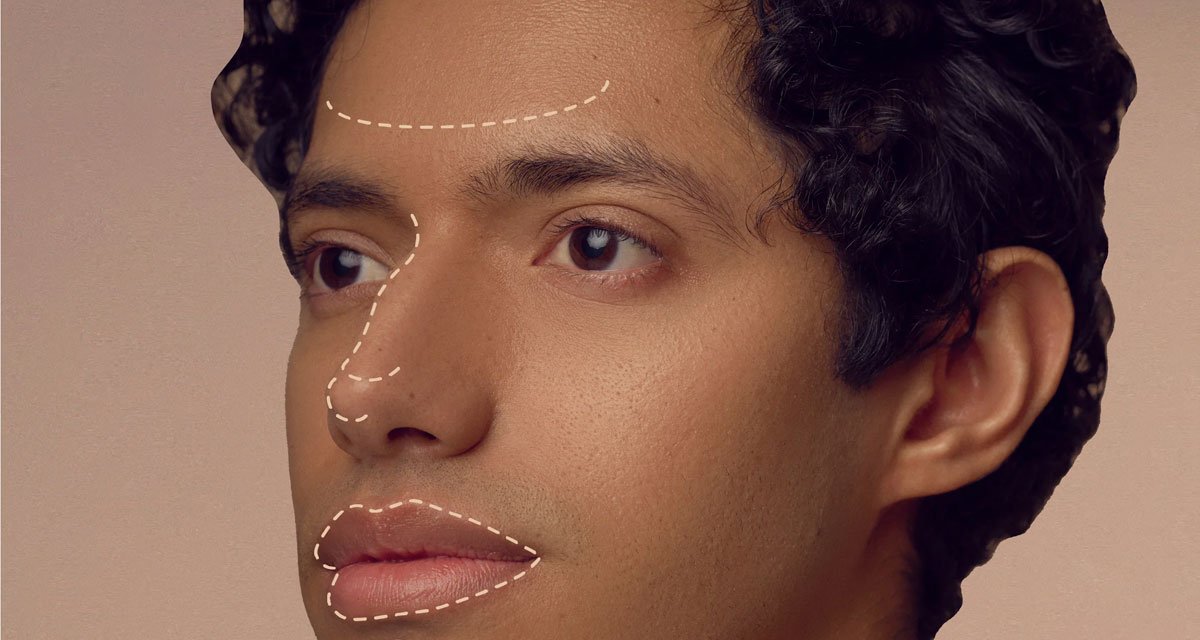
Photography is a funny thing. It catches everything. A shadow in the wrong place, a slight puffiness from a salty dinner, that tired look in the eyes. We spend so much time looking at ourselves in the mirror, but the camera lens is a different beast entirely. It flattens things. It changes depth. That is why professional makeup artists often talk about contour and highlight. They know how to cheat the light.
You do not need to be a professional model to have good photos. You just need to be mindful of your own anatomy. Do you have a side you prefer? Most people do. Do you know which angles highlight your best features? You should test these things. Take photos in different lighting. See what works. Practice your smile, not the frozen one, but the real one that reaches your eyes.
Preparation also means knowing your limits. If you have a busy week, do not book a heavy treatment three days before the event. Your skin will be angry. It will need time to recover. If you want to try something that requires downtime, do it weeks or even months ahead. Test your reactions. See how your skin handles new products. If something goes wrong, you have the cushion of time to fix it.
Lifestyle Choices as the Foundation
We forget that our skin is an organ. It reacts to everything. Stress is a big one. It messes with your cortisol levels, which messes with your skin’s ability to repair itself. Alcohol, sugar, lack of sleep. These are all enemies of the glow. You do not need to be perfect. Just try to find a rhythm. Drink water. Eat vegetables. Get as much sleep as you can. It sounds basic, but most people skip these steps because they are looking for a shortcut.
- Consistent sleep schedules regulate skin repair cycles.
- Minimal sugar intake prevents inflammation that shows up as puffiness.
- Gentle cleansing routines protect the skin barrier against environmental stressors.
The experts will tell you the same thing. You cannot paint a masterpiece on a damaged canvas. If your skin is inflamed, no amount of makeup will hide it. It will just sit on top. It will look heavy. Focus on the base. Start your prep long before the event. If you treat your body well, it will pay you back. It will be easier for the makeup artist to do their job. It will be easier for you to feel comfortable.
The Psychology of the Mirror
Confidence is a strange internal mechanic. You can do all the prep, have the best clothes, the perfect hair, but if you do not feel right, it shows. We spend so much time focusing on the external that we forget the internal. The photos will capture your spirit. If you are tense, the camera will see it. If you are worried about how your skin looks, you will not be present.
Try to practice a bit of mindfulness. Before the event, take ten minutes to just breathe. Let go of the need for perfection. The photos should capture a moment, not a museum piece. You are a person, not a statue. If a photo shows a wrinkle or a shadow, so what? That is you. That is life. The most beautiful photos are the ones where someone looks happy. Where the light in their eyes is real.
Final Adjustments
As the days get closer, stop the intense testing. Switch to maintenance mode. This is about protecting what you have done. Wear your sunscreen. Stay away from harsh actives that might cause a flare-up. Lean into the habits that keep you balanced. A calm mind translates to a calmer appearance.
Do not underestimate the power of self-assurance. It changes how you carry yourself. It changes how you pose. The photos are capturing a moment, sure, but they are also capturing your energy. If you have done the prep, trust in the process. You put in the work. Now you get to enjoy the day. Let the photographers worry about the angles. You just have to be present. That is the secret to a picture-perfect profile.