There’s a version of aesthetic treatment that most people are trying to avoid and can describe immediately: the frozen forehead, the overfilled lips, the face that’s clearly had something done without looking like a better version of itself. This outcome is common enough that it’s shaped how a lot of people think about injectables and med spa treatments generally — as something to approach with caution, or not at all, because the risk of an obvious result feels higher than the potential benefit.
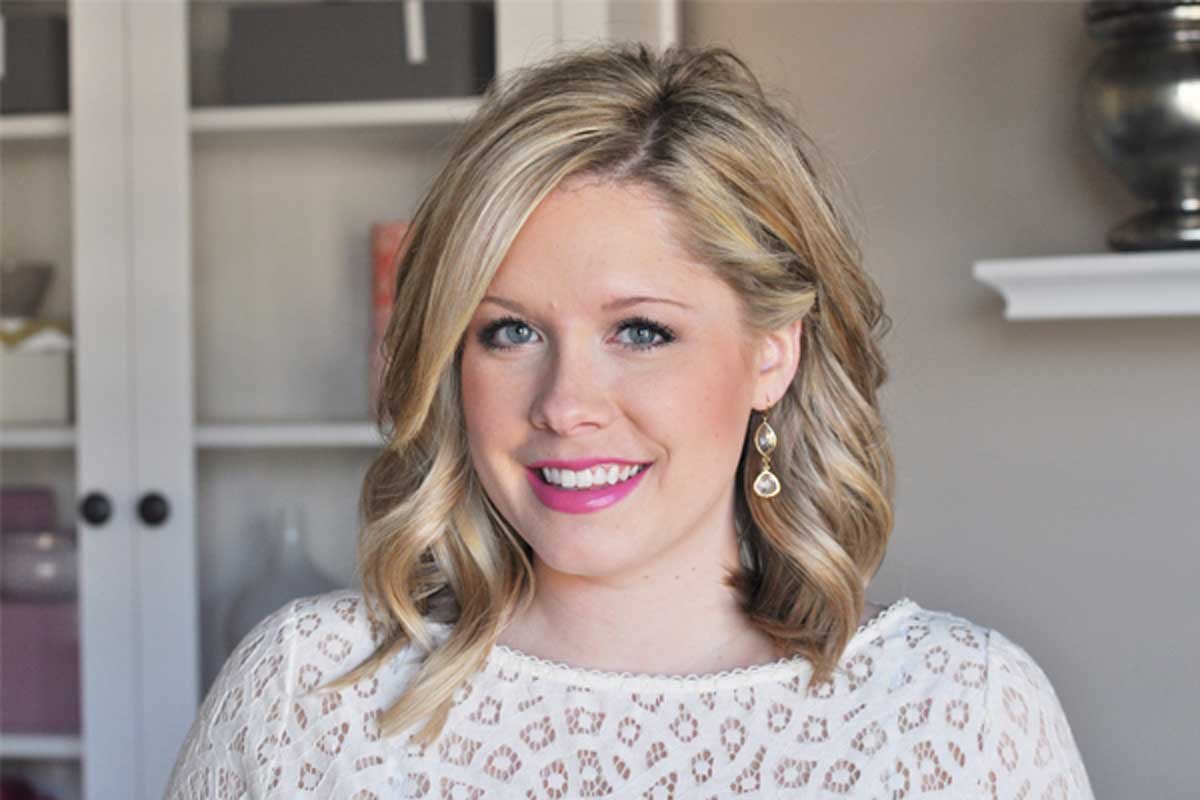
What gets less attention is how frequently aesthetic treatment produces the opposite outcome — a result so natural that the people closest to the patient don’t know what changed, just that something did. A colleague asks if they’ve been on vacation. A partner says they look rested. The patient knows what’s different. Nobody else can point to it. That outcome is achievable consistently with the right provider, the right approach, and a treatment plan designed around what the individual face actually needs rather than what’s most commonly requested.
The gap between those two outcomes — the obvious result and the natural one — isn’t primarily about which products are used or which treatments are offered. It’s about clinical judgment, anatomical assessment, and the restraint to under-treat rather than over-treat when under-treatment is what produces the better result. facecardmedspa.com is where Oak Brook-area clients find a practice built around exactly this philosophy. Facecard Medspa’s approach to aesthetic treatment starts with the face in front of the provider rather than with a standard menu of interventions applied consistently across patients.
Why Natural Results Require More Skill Than Dramatic Ones
The counterintuitive reality of aesthetic medicine is that producing a natural result is technically more demanding than producing a dramatic one. A dramatic result — significantly more volume, significantly less movement — announces itself clearly and is relatively straightforward to achieve. A natural result requires a level of precision, restraint, and individual assessment that’s considerably harder to execute consistently.
Neurotoxin placement is where this distinction is most immediately visible. The goal of a well-executed neurotoxin treatment isn’t to eliminate all movement in the treated area — it’s to soften the specific lines of expression that are causing concern while preserving the natural animation that makes a face look alive. Achieving that requires knowing exactly where to place the product, at what dose, to produce the desired degree of softening without crossing into immobility. The difference between those two outcomes is a matter of millimeters and units — which is a level of precision that develops through extensive experience with facial anatomy across many different patients.
Filler placement involves the same principle applied to volume. The goal isn’t to add volume — it’s to restore or redistribute volume in a way that improves proportion and structure while respecting how the face moves. A face that has lost volume in the mid-face over time looks tired and deflated in a specific way. Restoring that volume correctly makes the face look like itself at an earlier point — not like someone who had filler. Restoring it incorrectly — too much, wrong plane, wrong location — produces the overfilled look that’s become associated with aesthetic treatment in ways that make people reluctant to pursue it even when they’d benefit from it.
The assessment before any treatment is where the quality of outcome is largely determined. A thorough facial assessment looks at the full face rather than the specific concern the patient has identified — because isolated concerns rarely exist in isolation, and treating one area without understanding its relationship to adjacent areas can produce a result that’s locally correct and globally off-balance. A provider who looks at the whole face, understands the relationships between its different zones, and develops a treatment plan that addresses proportion and harmony rather than just individual lines or areas produces consistently better outcomes than one who treats concerns as independent problems.
What the Consultation Should Actually Cover
A consultation for aesthetic treatment that’s doing its job covers more than what the patient wants to change. It covers what the patient wants the result to feel like — whether they want people to notice the change or simply benefit from it, how much treatment they’re comfortable with, what their timeline and budget look like for ongoing maintenance. It covers what the provider observes in the face that the patient may not have identified as a concern but that affects the overall result.
It also covers what the provider recommends against. A provider who declines to address certain concerns because doing so wouldn’t produce a better result, or who recommends a lighter treatment than the patient initially envisioned because the more conservative approach is more appropriate for the individual, is operating with the patient’s actual interest in mind rather than optimizing for treatment volume. That kind of honest clinical guidance is one of the clearest signals that a practice is oriented toward outcomes rather than transactions.
Facecard Medspa offers the full range of injectable and skin treatment options under clinical leadership from Jakeyla Reed, DNP — a board-certified nurse practitioner and master injector with over fifteen years of experience. The team includes registered nurses and licensed aestheticians working within the same philosophy of natural, balanced results. For anyone in Oak Brook who has been considering aesthetic treatment and wants a consultation that starts with an honest assessment of what would actually help, that conversation is where the process begins.