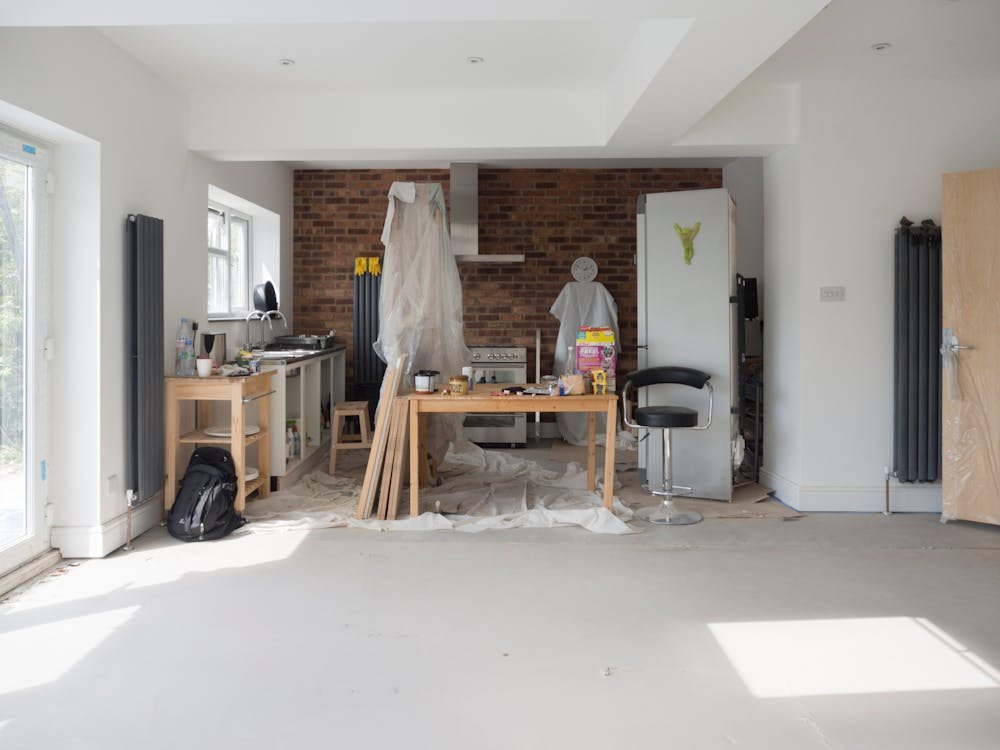
The kitchen isn’t just for cooking. It’s a space where families come together, conversations flow, and everyday routines start and finish. Over time, however, even the most loved kitchens can start to feel outdated, cramped, or inefficient. That’s when the idea of a makeover begins to take shape.
Planning a kitchen renovation can feel overwhelming at first. There are countless decisions to make, from layout and materials to budgeting and timelines. Without a clear plan, it’s easy to run into delays, unexpected costs, or results that don’t quite match your vision. That’s why taking a thoughtful, step-by-step approach is essential.
Whether you’re aiming for a modern upgrade or simply want a more functional space, a well-planned kitchen makeover can completely transform your home. Let’s start by understanding how to define your goals and set a strong foundation for your project.
1. Laying the Foundation: Defining Your Kitchen Goals
Before choosing cabinets or picking out countertops, it’s important to understand what you really want from your kitchen. Start by asking yourself a few simple questions. Do you need more storage? Is your current layout making cooking difficult? Or are you mainly looking to refresh the overall look?
Take a close look at your existing space. Identify what works and what doesn’t. Maybe your countertops are too small, or your cabinets don’t offer enough room. These details will help you set clear priorities for your renovation.
At this stage, many homeowners find it helpful to consult a professional. Working with an experienced kitchen remodeling contractor can bring clarity to your ideas by turning your goals into a practical plan, suggesting layouts, and ensuring the design fits both your lifestyle and budget.
Defining your goals early will guide every decision moving forward, making the entire process smoother and more efficient.
2. Budgeting Smartly for Your Kitchen Makeover
Once your goals are clear, the next step is setting a realistic budget. Kitchen renovations can vary widely in cost depending on the size of the space, the materials you choose, and the complexity of the work.
Start by breaking your budget into key categories: cabinetry, countertops, appliances, labor, and finishing touches. It’s also wise to set aside an extra 10–20% as a contingency fund. Unexpected issues, like plumbing or electrical updates, can arise during the renovation.
Decide where you want to invest more. For example, high-quality cabinets and durable countertops are often worth the extra cost because they are used daily. On the other hand, you might save money by choosing simpler backsplashes or fixtures.
Being realistic about your budget from the beginning helps you avoid stress later and ensures your project stays on track.
3. Designing a Functional Layout
A beautiful kitchen is important, but functionality should always come first. The layout of your kitchen plays a major role in how easy and enjoyable it is to use.
One common principle is the “kitchen work triangle,” which focuses on the distance between the sink, stove, and refrigerator. Keeping these elements within easy reach can improve efficiency while cooking.
There are several layout options to consider. L-shaped and U-shaped kitchens offer plenty of workspace, while galley kitchens are great for smaller areas. Open-plan kitchens are popular for creating a more connected living space.
Think about how people move through your kitchen. Make sure there’s enough space for walking, opening cabinets, and working comfortably. A well-designed layout can make even a small kitchen feel spacious and practical.
4. Choosing Materials and Finishes
The materials you choose will shape both the look and durability of your kitchen. Cabinets, countertops, flooring, and backsplashes all play a role in the final design.
For cabinets, options range from solid wood to more affordable materials like laminate or MDF. Each has its own balance of cost, durability, and appearance.
Countertops are another key feature. Granite and quartz are popular for their strength and style, while budget-friendly options can still offer a clean and modern look.
Flooring should be durable enough to handle daily wear. Tile, vinyl, and hardwood are common choices, each with its own advantages.
Try to keep your finishes consistent. Choosing colors and textures that complement each other will create a cohesive and polished design.
5. Upgrading Appliances and Fixtures
Modern appliances can make a big difference in both convenience and energy efficiency. If your current appliances are outdated, replacing them during your renovation can improve performance and reduce energy costs.
Look for energy-efficient models that suit your cooking habits. Smart appliances are also becoming more popular, offering features like remote control and automation.
Don’t forget about fixtures. Sinks, faucets, and lighting all contribute to the overall functionality of your kitchen. Good lighting, in particular, can make your space feel brighter and more welcoming.
Choosing the right combination of appliances and fixtures ensures your kitchen is not only stylish but also practical.
6. Maximizing Storage and Organization
Storage is often one of the biggest challenges in a kitchen. A well-planned renovation gives you the chance to solve this problem.
Consider adding features like pull-out shelves, deep drawers, and vertical storage. These solutions make it easier to access items and keep your kitchen organized.
Custom cabinets can be designed to fit your specific needs, while pre-made options may offer a more budget-friendly alternative. Before finalizing your design, think about what you use most often and how you can store it efficiently.
Even small changes, like adding organizers inside cabinets, can make a big difference in daily use.
7. Hiring the Right Professionals
A successful kitchen makeover often depends on the team behind it. From designers to electricians and plumbers, each professional plays a role in bringing your vision to life.
Take time to research and choose experienced professionals. Look for reviews, ask for references, and review past projects. Clear communication is also important. Make sure everyone involved understands your goals and expectations.
Having the right team can help prevent mistakes, keep the project on schedule, and ensure high-quality results.
Planning your dream kitchen makeover takes time, effort, and careful decision-making. From defining your goals to choosing materials and working with professionals, each step plays an important role in the final result.
A well-designed kitchen improves your daily routine and adds value to your home. By approaching the process with a clear plan and the right support, you can avoid common challenges and achieve a space that truly meets your needs.
With thoughtful planning and the right guidance, your kitchen can become a place you enjoy for years to come.