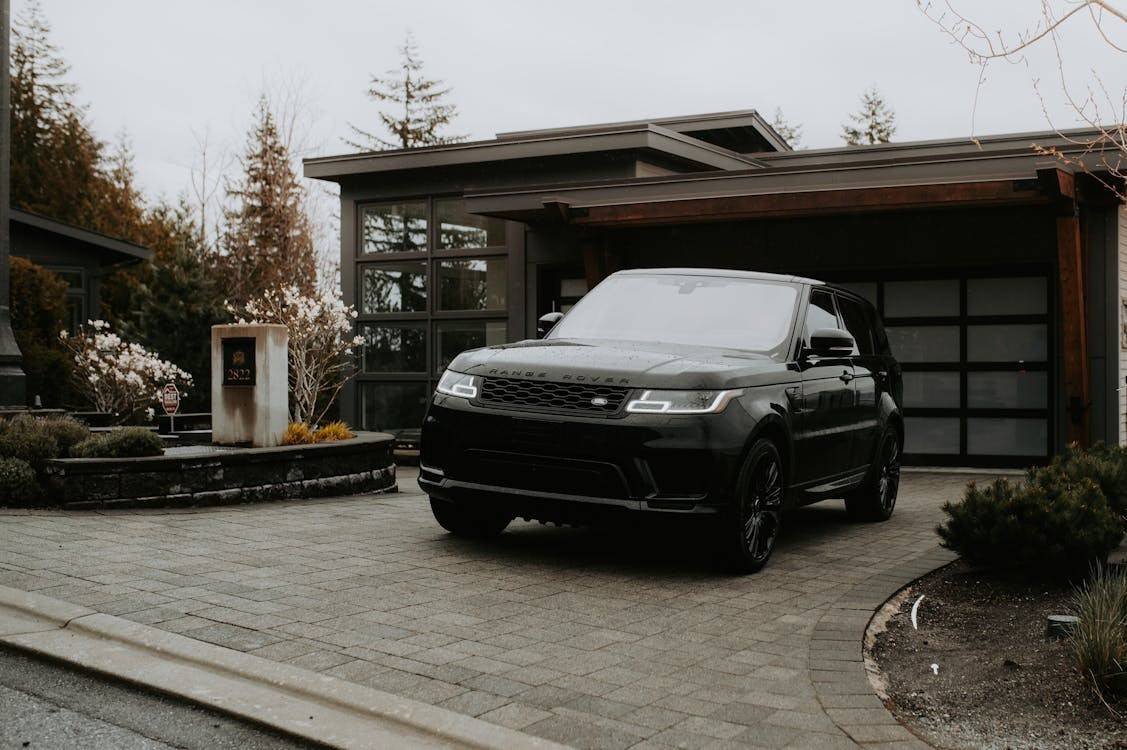
A driveway plays a central role in shaping your home’s curb appeal. It is often the first feature visitors and potential buyers notice, which means its condition and design can influence how the entire property is perceived. In many suburban neighborhoods, especially in areas where property values are steadily rising, exterior upgrades like driveways contribute directly to appraisal outcomes.
Beyond appearance, a driveway upgrade is a practical investment. Cracked surfaces, uneven sections, or outdated finishes can reduce both functionality and perceived value. Homeowners are increasingly seeking ways to combine durability with style, exploring options beyond plain concrete. Modern improvements focus on materials and finishes that offer both structural strength and a more refined look, setting the tone for the rest of the home.
Elevating Curb Appeal with Smart Design Choices
Upgrading your driveway’s look is one of the most effective ways to enhance your home’s exterior. While traditional gray concrete is reliable, it often lacks visual interest. Homeowners who want a more distinctive finish are increasingly exploring stamped concrete, which offers both durability and design flexibility. This method allows for a wide range of customization, including patterns that resemble natural stone, brick, or even wood, as well as color options tailored to match the home’s exterior. These features make it easier to create a driveway that feels intentional rather than purely functional.
As more homeowners prioritize both style and performance, stamped concrete has become a preferred option for achieving a refined, high-end look without sacrificing durability. Its ability to replicate premium materials while offering long-term strength makes it a practical upgrade for modern homes. If you are looking for a custom stamped concrete service, there are plenty of options available.
Assessing Your Current Driveway: Repair or Full Replacement?
Before planning an upgrade, it is important to evaluate the current condition of your driveway. Small surface cracks, minor discoloration, and light wear can often be addressed with resurfacing or sealing. These solutions are cost-effective and can extend the life of the existing structure when the underlying base remains stable. Regular inspections help identify these manageable issues early, preventing them from developing into more serious problems.
However, deeper cracks, potholes, or signs of shifting indicate structural failure that requires full replacement. In such cases, simply repairing the surface will not provide long-term results. Checking the concrete’s strength and the stability of the sub-base is essential. If the material no longer meets durability standards, investing in a complete replacement ensures better performance, improved safety, and a longer lifespan.
Comparing Materials: Asphalt vs. Pavers vs. Decorative Concrete
Choosing the right material is a key step in planning a driveway upgrade. Asphalt is often selected for its lower initial cost and quick installation process. However, it requires regular maintenance, including sealing every few years, and tends to have a shorter lifespan compared to other options. This makes it a practical choice for short-term needs but less ideal for long-term value.
Pavers and decorative concrete offer more durability and design flexibility. Pavers provide a premium look and allow for easy repairs by replacing individual units, though installation costs can be higher. Decorative concrete strikes a balance by combining strength with customizable finishes.
Durability and Long-Term Maintenance Planning
A driveway upgrade should focus on long-term performance rather than just immediate appearance. The durability of materials depends heavily on proper installation and on the quality of the mix. For concrete driveways, choosing a mix designed for residential vehicle loads is essential to ensure long-term durability.
Reinforcement with steel rebar or wire mesh further improves structural integrity and reduces the risk of cracking over time. These technical factors play a major role in how well the surface performs under stress.
Maintenance also determines how long the driveway retains its quality. Sealing decorative concrete every two to three years helps protect against moisture, stains, and UV exposure. Routine cleaning prevents buildup that can weaken the surface. Addressing minor cracks early avoids larger structural issues later.
Designing for Drainage and Climate Conditions
Proper drainage is essential when planning a driveway upgrade. Without it, water can pool on the surface, gradually weakening the structure. A slight slope, typically around 1/8 inch per foot, allows water to flow away from the home and prevents long-term damage. Installing drainage channels or grading the surrounding landscape can further improve water management, especially in areas with heavy rainfall.
Climate also affects material performance. In colder regions, freeze-thaw cycles can cause expansion and cracking if the concrete mix is not designed to withstand them. Air-entrained concrete improves resistance to these conditions. In warmer climates, UV exposure and heat can lead to surface fading or softening in certain materials. Choosing finishes and sealants suited to local weather ensures the driveway remains durable and visually consistent over time.
The Financial Impact: How Driveways Influence Property Value
A well-designed driveway contributes directly to a home’s market value. Buyers often associate a clean and updated exterior with proper maintenance throughout the property. This perception can influence purchasing decisions and reduce negotiation pressure during a sale. Real estate professionals frequently highlight curb appeal as a factor that can increase property value by several percentage points.
Investing in high-quality materials and professional installation also adds credibility to the upgrade. A durable and visually appealing driveway signals that the homeowner has prioritized long-term improvements. This reduces concerns about future repairs for potential buyers.
Budgeting and Planning for a High-ROI Upgrade
Careful budgeting ensures that a driveway upgrade delivers lasting value without unexpected costs. Homeowners should account for site preparation, material selection, labor, and finishing treatments when estimating expenses. Skipping steps, such as proper base compaction, can lead to premature failure and increase costs over time. Planning for quality from the start often results in better long-term savings.
Working with experienced contractors is equally important. Professionals understand the technical requirements for installation, including drainage, reinforcement, and curing processes. They can also recommend materials that balance durability and design within your budget. A well-planned project not only meets immediate needs but also minimizes maintenance costs and extends the driveway’s lifespan.