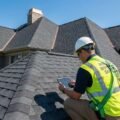
The right problem to solve is choosing the best new roof you can possibly get for the money you’re going to spend. Material choices drive maintenance and, in the case of a prematurely failing roof, tear-off and disposal costs. Labor costs vary over time and by region, but material choice is forever.
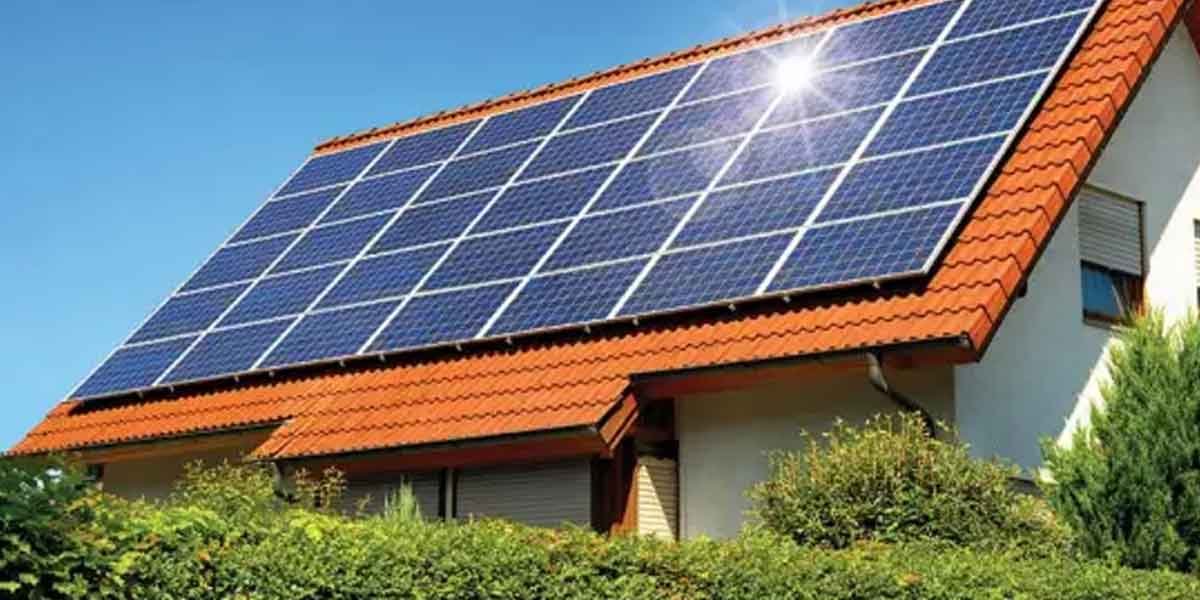
Life Cycle Cost Beats Sticker Price Every Time
The difference in initial cost between asphalt shingle roofing and a higher-end material such as metal or slate is not as much when spread out over the full half-century. However, the price of removing and disposing of multiple asphalt shingle roofs over a 50-year timeframe needs to be factored in the total. To be sure, it’s easier to make your best case against do-overs and add-ons by stressing aesthetics, savings on repeat insurance deductibles, claims, and hassle.
Installation Determines Whether Any of This Matters
Even if you choose the best product on the market, if several other components of your roofing system aren’t up to par, it won’t last. And the problem isn’t the shingles, it’s the underlayment, the ventilation system, and the flashing.
Synthetic underlayment is superior to felt in both moisture resistance and tear resistance during installation. Ice and water shield also strengthens certain areas rather than just geographically. Attic ventilation helps prevent the thermal shock that causes shingles to curl and crack.
None of these components are magically installed perfectly just because they’re great products. The wrong ventilation system paired with the best product will wear it out before its time. It’s as important to choose a reputable roofing contractor – Safe & Sound Roofing to design and install these other components properly as it is to choose the right shingle.
Energy Performance Isn’t a Bonus Feature
The Solar Reflectance Index and thermal emissivity scores are two metrics that are indicative of the amount of heat the roof will transfer into your building. A high SRI number indicates that the surface reflects more solar energy. High thermal emissivity means that whatever heat is absorbed is radiated back outward rather than conducting through the deck into your structure.
The Cool Roof Rating Council rates products separately using these metrics. It’s good to check on a product’s CRRC rating before you buy/apply it. The Department of Energy says cool roof surfaces can be more than 50°F cooler than traditional materials on your rooftop on a summer afternoon. That’s a significant reduction in peak cooling demand, not a minor adjustment.
You’ll find that metal roofing with reflective coatings does well here. So do asphalt shingles with reflective granules. But the specific product category is less important than the certified rating.
Weight, Structure, and What Nobody Mentions at the Sales Appointment
Clay tile and slate are great, time-proven roofing materials. Clay tile is very similar to concrete but just that little bit more special, though that also means it’s a bit more expensive. Either way, both weigh considerably more than asphalt or metal. As in, you likely need to have the framing on your roof reinforced at the same time as you install the new roofing material.
Generally speaking, it comes down to cost. Make an official decision about either one, contact a structural engineer to evaluate your roof framing and see if reinforcing is required and what it would cost.
Climate Risk and the Materials That Match it
Regions with frequent hailstorms would justify usage of Class 4 impact-rated materials based on statistics. Homeowners insurers in those areas will give you a premium credit for having Class 4 roofing. Lower annual premiums are a tangible, quantifiable financial return that’s easy to justify. As you get into coastal zones and high-wind areas, the wind-uplift rating is a critical threshold issue, more so than aesthetic preference or even price.
Wildfire-prone areas should consider Class A fire-rated materials first and foremost. That’s not a tiebreaker; that’s the starting point.
Preferred material selection in a temperate, low- or no-wind location is a different animal than what you’d choose given the same exact low- or no-wind conditions in a location with extreme temperature swings. It’s not just preference; it’s performance.
R-Value and the Layer You Control Less
Roofing material doesn’t replace insulation. R-value lives in the attic insulation layer, not in the shingles. The two systems work together, a cool roof reduces the heat load reaching the insulation, and adequate insulation prevents what does get through from affecting indoor temperatures. Treating them as separate line items on a renovation budget usually means underinvesting in one or both.
The right answer on materials is the one that performs across durability, energy efficiency, climate compatibility, and structural fit, at a life cycle cost that makes financial sense. That’s a different question than “which shingle looks best,” and it deserves a different kind of answer.