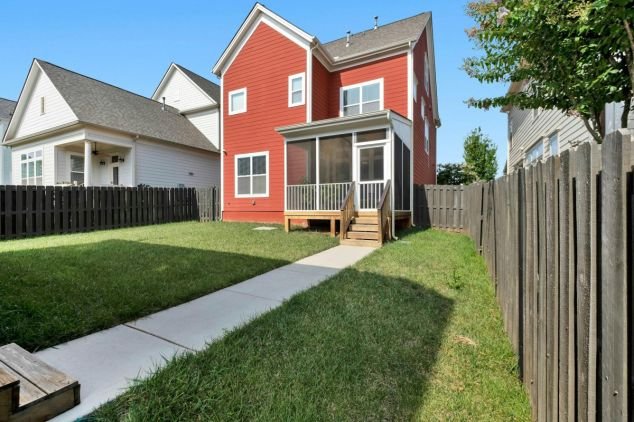
A structure may appear strong at first glance, yet hidden weaknesses often tell a different story over time. That is where careful planning becomes more than a checklist – and turns into a long-term strategy.
A well-thought-out exterior is not built on guesswork, but on decisions that consider years ahead. Those this-looks-good-for-now choices tend to fail when real conditions hit hard. Heat, rain, wind and pollution slowly wear everything down without asking for permission. Yes, this is true; a durable exterior is shaped long before the first visible layer is applied. The goal is simple, surfaces should last longer than expected and perform without constant repair.
The exterior carries the burden of exposure every single day. It is expected to hold up through seasons that shift without warning. When planning is rushed, small weaknesses are introduced and they grow quietly over time. This is why every layer, every joint and every finish matters more than it seems. Would a surface survive years of stress if it was never designed for it in the first place? The answer often explains why some structures age gracefully while others struggle early.
Start strong or fix it later your call
Durability begins with materials that are selected based on performance, not appearance alone. A surface may look refined, yet fail under pressure if it lacks strength. It is often seen that low-quality materials lead to repeated maintenance cycles. Those cycles cost more over time and create unnecessary frustration. A stronger approach is to choose materials tested against weather conditions specific to the area. This decision alone shapes how long an exterior remains stable.
Take a roof for example, because it handles the most exposure every single day. It absorbs heat, deflects rain and resists wind pressure constantly. When roofing by professionals is done properly, the results are noticeably different within a few seasons. Layers are installed correctly, joints are sealed properly and materials are aligned with precision. That attention to detail prevents early damage and reduces long-term risk.
Would a poorly installed surface handle heavy rainfall without leaking or shifting? It rarely does. And the impact spreads quickly across connected areas.
Consider a scenario where two similar homes are built side by side. One uses budget materials installed quickly, while the other follows a careful selection process. After five years, cracks appear in the first home, while the second still looks intact. This difference is not luck, it is the outcome of deliberate planning. The lesson stays simple, choose materials that match long-term conditions, not short-term appeal.
Looks fade fast if weather is ignored
A visually appealing exterior may attract attention, yet durability depends on deeper decisions. Surfaces must be prepared to handle moisture retention, heat expansion and cold contraction. These forces do not pause and they do not forgive poor planning. Protective coatings should be selected based on climate, not color preference alone. A coating that performs well in one region may fail quickly in another.
Ventilation is often ignored, yet it plays a silent role in preserving structures. When air does not circulate, moisture builds up behind surfaces. That hidden moisture leads to decay, mold and structural weakening over time. It is not always visible until the damage becomes severe. Why allow trapped moisture to slowly damage an exterior without resistance?
Drainage also deserves serious attention, because water must be directed away quickly. When water lingers, it seeps into small openings and weakens the structure gradually. A well-planned drainage system acts as a protective barrier against long-term deterioration. And, no, water damage is never a small issue once it spreads. It becomes expensive and difficult to manage when ignored early.
Tiny details ruin big plans if ignored
Durability is often lost in the details that seem too small to matter at first. Tiny gaps, loose fittings and weak joints may appear harmless initially. Over time, these small flaws grow into serious structural concerns. A single unsealed joint can allow water to seep in and spread damage across a wider area. These are not sudden failures – but slow creeping problems that build over time.
Attention should be given to fastening systems, because they hold everything together. Poor quality fasteners corrode, loosen and eventually fail under stress. When that happens, even strong materials lose their effectiveness. It is like building strength on a weak foundation – the outcome is predictable. Why risk the entire structure over something so easily managed?
Sealants and finishes should also be selected carefully, because they protect vulnerable areas. They act as barriers against moisture, dust and pollutants. When they fail, the underlying material is exposed to damage. Maintenance becomes more frequent and costs rise steadily. Thoughtful planning reduces these risks before they grow into larger issues.
Do this regularly or pay for it later
Long-term durability is not only about building correctly – but also about maintaining consistently. Good habits keep materials performing well and prevent small issues from growing. These actions may seem simple, yet they make a lasting difference.
Regular inspections should be carried out to catch early signs of wear
Surfaces should be cleaned to remove dirt buildup and pollutants
Minor cracks must be sealed quickly before they expand
Drainage systems should be checked to prevent water accumulation
Protective coatings need to be refreshed based on wear levels
Loose fittings should be tightened before they cause structural vulnerability
These steps do not require complex tools or expensive resources. They require attention, consistency and a willingness to act early.
Plan it right once and relax for years
The bottom line here? When the right decisions are made upfront, the need for constant repairs is reduced significantly. This approach saves time, money and effort over the years. It also creates a sense of reliability, where the structure performs as expected without surprises.
There is a quiet satisfaction in knowing an exterior can handle changing conditions. No constant attention needed. That confidence comes from planning with purpose, not guesswork. Each element supports the next. A system is formed. It works together, holds steady.
The outcome is not just strength. It is long-term peace of mind too.