When rooms never quite reach setpoint, vents hiss loudly, or a furnace short-cycles on the coldest morning, the cause is often not the equipment itself but the air it is being asked to move. Heating and cooling rely on a simple loop: the blower pulls air through the return, pushes it across the heat exchanger or evaporator coil, and sends it through supply ducts back into rooms. If resistance in that loop is too high, the system operates under high static pressure. That strain reduces airflow, slashes efficiency, and shortens component life. Understanding how static pressure develops and how an experienced technician evaluates it helps homeowners fix persistent comfort complaints at the source.
1. Early Symptoms Of High Static Pressure In A Home
Several telltale signs point to elevated resistance in the airflow path. Vents may whistle as air squeezes through undersized supply registers or crushed flex duct. A gas furnace may trip the high-limit switch because inadequate airflow cannot carry heat away from the heat exchanger, leading to short cycles and uneven temperature between floors. Air conditioners can freeze at the evaporator coil, leaving frost on the suction line outside and warm air inside, especially after the system has run for an hour on a humid day. When these symptoms stack up, it is time for a measured diagnosis by a qualified HVAC contractor rather than trial-and-error part replacements.
Comfort complaints often concentrate in distant rooms. A bonus room over a garage that is fed by a long 6-inch flex run may underperform because the run is too small and has too many tight bends. A closed-off home office can build pressure if its door is sealed and there is no return path, starving the return duct and overstressing the blower. In both scenarios, airflow restrictions drive up external static pressure, which the blower must fight. That added drag reduces delivered cubic feet per minute (CFM) and can create noise and hot-and-cold spots even when the equipment is relatively new.
2. Hidden Restrictions Inside The Equipment Cabinet
Airflow can be choked before it ever reaches the ducts. A 1-inch pleated filter with a very high MERV rating may capture fine particles but impose a steep pressure drop, especially as it loads up with dust. A clogged evaporator coil matted with kitchen grease and lint can add significant resistance; even a clean coil can be restrictive if the cabinet transitions are abrupt. On furnaces and air handlers, blower speed settings matter: a multi-tap PSC motor set too low or an ECM left in a conservative profile may not produce the CFM a heat pump needs in cooling mode. These inside-the-cabinet restrictions raise static pressure, pushing safety controls like limit switches in heating and causing coil icing in cooling.
3. Duct Design Problems That Starve Airflow
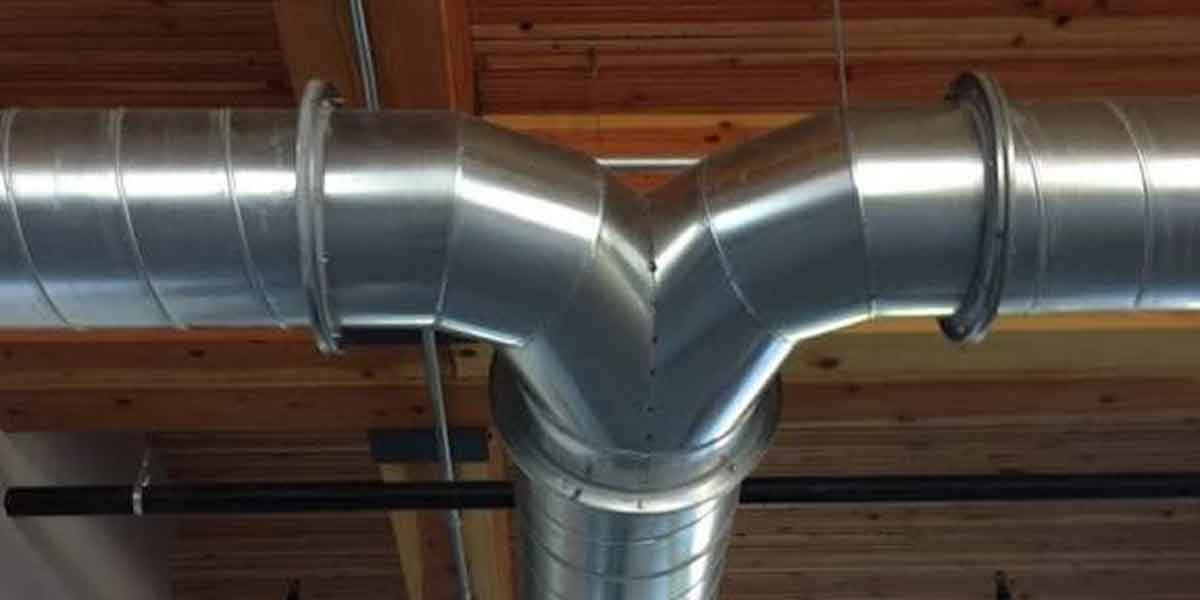
Undersized returns are a frequent culprit. A single 12-by-12 return grille serving an entire floor may whistle because the face velocity is too high; the return drop and filter rack behind it likely show a big pressure drop as well. Long, sagging flex duct adds friction, as do sharp-radius elbows and wye fittings crammed into tight joist bays. Crushed flex in an attic, leaky panned returns in older homes, or boot placements that blow directly into a closed door can all increase resistance or misdirect airflow. Even furniture pushed against a large supply register can create localized backpressure that “steals” air from other branches.
Consider two realistic cases. In a ranch home, a homeowner closed several supply registers to “push more air” to a back bedroom. The opposite happened: closed registers spiked static pressure, the blower moved less total CFM, and the farthest branch actually received less air. In a second case, a townhome with wildfire smoke nearby upgraded to a high-MERV 1-inch filter. The filtration helped briefly, but the furnace overheated on long cycles because the narrow filter slot caused a large pressure drop once the media loaded. In both examples, duct-system resistance—not equipment capacity—drove the comfort problem.
4. How A Pro Diagnoses Airflow And Static Pressure
Accurate diagnosis starts with measurements, not guesses. A technician will drill test ports in the supply plenum and return plenum and use a manometer to read external static pressure (ESP) across the air handler or furnace. They compare those readings to the unit’s nameplate maximum to see whether the system is operating in a healthy range. Next, the tech measures pressure drops across the filter and coil to identify which component contributes most resistance. The tech checks temperature rise across a furnace or temperature split across the evaporator coil against manufacturer specifications to verify heat transfer under load. With ESP and a fan performance table, the tech can estimate delivered CFM to confirm whether airflow per ton is adequate.
These measurements guide targeted fixes and illuminate trade-offs. For instance, moving from a restrictive 1-inch MERV-13 filter to a deeper 4-inch media cabinet with a MERV-11 filter often lowers pressure drop while maintaining strong filtration. That is a better long-term balance than installing an undersized high-MERV filter that immediately chokes airflow. Simply increasing blower speed can raise CFM, but it may increase noise at registers or cause condensate carryover at the evaporator coil if air velocity is too high. Duct sealing with mastic reduces leakage without adding resistance, while installing balancing dampers lets a technician adjust branch flows after static pressure is brought into range.
Fixes That Reduce Resistance And How To Prevent A Relapse
Because high static pressure is a system problem, durable solutions usually address the airflow path. Common corrections include adding a second return grille and upsizing the return drop, straightening and shortening flex runs, replacing crushed sections with rigid metal, and reworking tight-radius elbows into smoother transitions. Inside the cabinet, installing a deeper filter rack, cleaning the evaporator coil, and confirming blower settings for the home’s design CFM all help. Register and grille changes can matter too: high-flow return grilles reduce face velocity and noise, and properly sized supply registers prevent whistling while keeping throw and spread appropriate for the room layout. After modifications, a commissioning check with fresh ESP and temperature measurements verifies the improvement.
Prevention hinges on keeping resistance low over time. Replace filters on schedule and choose media that your system can move air through; deeper filters generally offer lower pressure drop at the same efficiency. Keep doors undercut or add transfer grilles or jump ducts so rooms have a return path even when closed. Avoid covering supplies and returns with rugs or furniture. In attics and crawl spaces, support flex duct to prevent sags, and check for kinks after any storage or service work. When it is time for new equipment, insist on a load calculation and duct evaluation so the replacement is paired with ducts that meet Manual D principles rather than relying on “like-for-like” tonnage. An airflow-first mindset protects comfort, equipment life, and energy use long after the visit is over.