When a furnace turns on, runs for only a few minutes, shuts off, and then starts again, the pattern is called short cycling. It wastes fuel, adds wear to the igniter and blower motor, and leaves rooms unevenly heated. Short cycling also points to a specific problem somewhere between airflow, temperature control, and combustion safety. Understanding the early signs and most likely causes helps you decide what you can safely check as a homeowner and what calls for a qualified technician. It can also prevent small issues, such as a clogged air filter, from becoming a no-heat call on the coldest night.
1. What Short Cycling Looks and Sounds Like
Short cycling usually shows up as a rapid sequence of starts and stops. You might hear the inducer motor spin up, the igniter glow or click, the burners light, and the blower start, only for the system to shut down after a short burst of heat. In some homes, the thermostat satisfies too quickly, the blower coasts to a stop, and then the furnace repeats the process a few minutes later. If the thermostat fan is set to ON instead of AUTO, you may feel steady airflow that is often cool between burner cycles, which can mask how often the burner is actually shutting off.
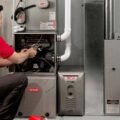
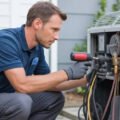
Repeated restarts are hard on parts like the igniter, gas valve, and control board, and many controls will enter a soft or hard lockout after several failed attempts. That is why reliable Furnace repair service matters once you have ruled out simple causes. A technician can read stored fault codes, verify gas pressure with a manometer, and test safety circuits, which goes well beyond what is safe for homeowner troubleshooting.
2. Airflow Restrictions and Overheating
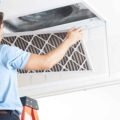
Restricted airflow is one of the most common triggers of short-cycling. A clogged air filter, blocked return grille, or closed supply registers reduces the air moving across the heat exchanger. Heat builds up; the high-limit switch opens to protect the furnace; the burners shut off, and the blower may continue briefly to cool the exchanger. A dirty blower wheel or a matted evaporator coil in a combined HVAC cabinet can create the same effect by narrowing passages and increasing static pressure. If short cycling coincides with reduced airflow at distant registers or a booming return noise, start by inspecting the filter and visible grilles.
The choice of filter can also drive this problem. A thick, high-MERV filter can capture more dust and pollen but may starve a marginal duct system of airflow as it loads up. Homeowners sometimes upgrade from a 1-inch to a 4-inch pleated filter without considering the blower’s capability or the duct sizing. The trade-off is clear: better filtration versus pressure drop. If the furnace began short-cycling after a filter change, try a new filter with the manufacturer’s recommended thickness and rating. Avoid running with the filter removed, as it lets dust coat the blower wheel and evaporator coil, which can quickly worsen overheating.
3. Control and Combustion Faults That Cut Heat Early
Combustion and flame-sensing issues can mimic thermostat cycling. The normal sequence is inducer on, pressure switch proven, igniter hot or sparking, gas valve open, flame established, and flame sensor proving. If the flame sensor is oxidized, misaligned, or contaminated, the control board may not detect flame after a few seconds. It will close the gas valve, purge, and try again. You might see a brief flame that dies repeatedly, followed by a diagnostic blink code. Low gas pressure, partially plugged burners, or a failing igniter can produce similar shutdowns that require professional testing and cleaning rather than guesswork.
Vent and drainage problems are another common cause of early shutdowns, especially in high-efficiency condensing furnaces. A blocked PVC intake or exhaust, a slow inducer, a kinked or wet pressure switch tube, or a clogged condensate trap can all prevent the pressure switch from closing. The control board will abort the heating cycle to prevent unsafe operation. One common winter scenario occurs after a heavy snow when drifted snow buries the sidewall intake, starving the furnace for combustion air. Clearing the intake and ensuring the condensate line drains freely can restore normal operation without touching internal components.
4. Safe Homeowner Checks Before a Technician Arrives
There are several quick checks you can do without opening the furnace cabinet. Replace a dirty filter with the correct size and rating. Make sure return grilles are not blocked by furniture and that supply registers are open in all rooms, including spare bedrooms. Verify the thermostat is set to HEAT, the fan is on AUTO, and the temperature is set several degrees above room temperature for testing. If the thermostat uses batteries, install fresh ones. Check that the furnace’s breaker is on and that the service switch near the unit has not been bumped off. In freezing weather, confirm that any outdoor PVC intake and exhaust pipes are free of snow, leaves, or insect nests.
It also helps to observe and document what happens. Note how long the burners run before shutting off, whether the blower continues after shutdown, and if the control board flashes an error code through the window on the cabinet door. Do not bypass safety switches or remove panels while the system is powered. If you do press the reset button on a condensate pump or cycle power at the switch, do it once and wait to see if the furnace completes a full run. Repeated resets can erase useful fault information and may aggravate a component that is already failing.
5. Preventing the Next Shutdown
Short cycling often stems from preventable maintenance issues. Change 1-inch filters roughly every 1 to 3 months, and replace deeper media as advised by the manufacturer, adjusting for pets and renovation dust. Vacuum return grilles and keep supply registers clear of rugs and drapes. During annual service, a technician can clean the flame sensor, check and clean burners, verify inducer and blower amperage, inspect the heat exchanger, and clear the condensate trap. Keeping the blower wheel clean and the evaporator coil free of debris reduces static pressure and gives the limit switch less reason to trip.
System design plays a role too. Closing vents to “push more heat” often backfires by raising static pressure, which reduces total airflow and increases the chance of limit trips. Similarly, an oversized furnace can satisfy a nearby thermostat quickly while leaving distant rooms cool, leading to frequent on-off cycles and temperature swings. If short cycling persists even with clean filters and open registers, consider a professional review of duct sizing, static pressure, and equipment capacity. In some homes with additions or finished basements, small duct modifications or balancing adjustments can stabilize run times and restore steady, comfortable heat.
Short cycling is your furnace telling you that something in the airflow, control, or combustion chain is out of balance. A clean filter, open grilles, correct thermostat settings, and clear intake and exhaust can resolve simple issues and speed up a technician’s work when a deeper fault is present. By recognizing the sequence of inducer, ignition, flame sensing, and blower operation, you can describe symptoms clearly and avoid risky do-it-yourself guesses. That combination of safe checks and timely professional testing protects the heat exchanger and controls, reduces surprise breakdowns, and keeps winter comfort steady from room to room.