The best paint colors for bathrooms are light, calm neutrals and soft tints, led by off-white, light gray, and muted greens and pinks, because they make a small, often windowless room feel larger and cleaner and they flatter skin tone in warm bathroom light. Before the color, though, come two practical calls: use a moisture- and mildew-resistant paint in a satin or semi-gloss finish, because a bathroom is a humid room where a flat coat can peel, chalk, or grow spots, and match the color to how you want to feel in there, from a tranquil spa green to a fresh bright white. Get the finish and the color right together and the bathroom holds up and feels as designed.
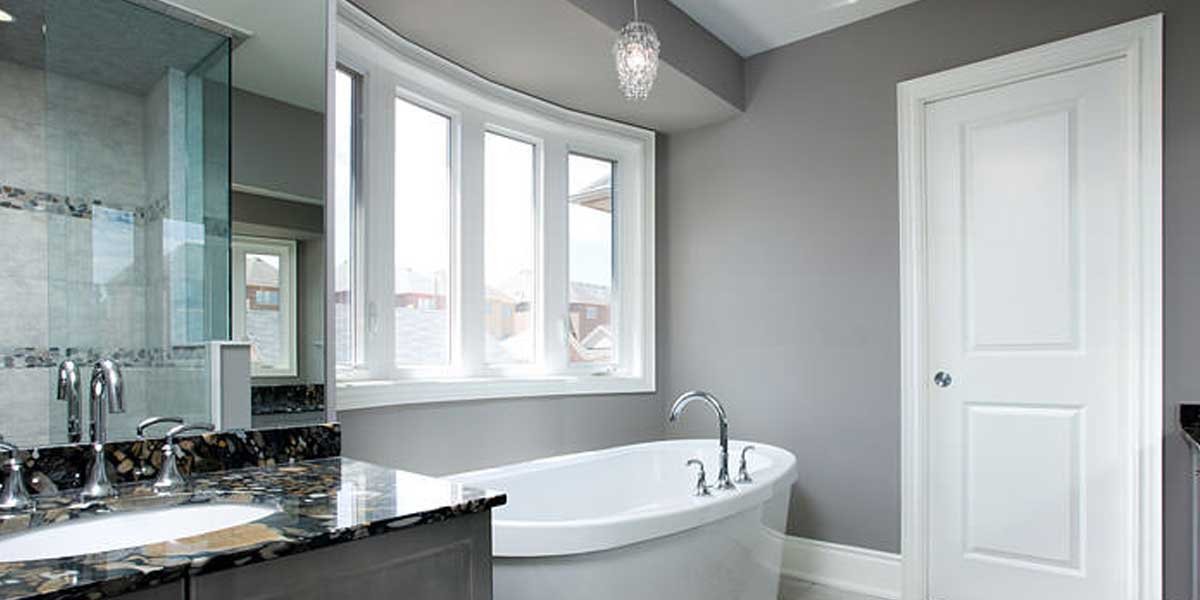
The color sets the mood, and the finish sets the survival. A bathroom gets steam, wet surfaces, and a steady supply of moisture, so a paint chosen only for its color, with a low sheen, tends to fail faster than the color needs it to, which is why the experts pair a flattering palette with a durable, washable finish.
Below is the color-by-mood-and-light guide, the finish that handles the moisture, and the mistakes that turn a pretty bathroom into a regret.
Paint colors for bathrooms: what the experts pick
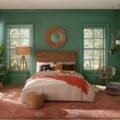
Painters and color experts choose bathroom colors by the mood you want, and the most-loved shades are calm neutrals and soft tints that read clean and spacious. Off-white, light gray, muted green, and soft pink are the recurring favorites, with deeper saturated hues saved for accent walls or a bold powder room.
The Benjamin Moore bathroom color ideas guide frames it as a mood first, whether a spa-like sanctuary, an energizing morning space, or a minimalist look, and its popular picks run from soft pinks and tranquil greens to barely-there neutrals. The Sherwin-Williams bathroom paint colors guide gives the same direction, light and calming field colors with the option of a deep accent. Both agree a bathroom lives on the neutral-to-soft end, which is the practical starting point for choosing well.
Color by bathroom mood and lighting
Pick the color family by the feeling you want and the light the room gets: a spa-like soak wants a soft green or blue, a fresh, wide feel wants an off-white or light gray, a warm, flattering wash wants a soft pink or a warm beige, and a small or windowless bathroom wants a light, bright shade with a boost of artificial light. The table lines each mood up with light conditions and a leading color.
| Mood you want | Lighting condition | Color direction | Popular leads |
|---|---|---|---|
| Spa-like, tranquil soak | Some natural light | Soft green, muted blue | Tranquil green, soft sage |
| Fresh, open, wide feel | Small or low light | Off-white, light gray | Off-white, light neutral |
| Warm, flattering glow | Any, warm bulbs | Soft pink, warm beige | Soft pink, warm beige |
| Bold, statement powder room | Good light | Deep accent wall | Saturated blue, charcoal |
| Clean, minimalist | Any | Neutral field | White, soft gray |
The table is the mood map. A bathroom you use for slow soaks leans calming green or blue, a small powder room needs the airy effect of a light neutral, and a warm-toned pink or beige reads most flattering on skin in a bathroom’s soft light, which is the answer to the most-flattering question. A tiny or windowless bathroom goes lighter and brighter, since a deep color in low light can close the room in, and the paint colors and moods guide explains the same warm-and-cool logic room by room.
The finish and the formula handle the moisture
Choose a satin or semi-gloss finish and a moisture-resistant paint formula for a bathroom, because a flat finish absorbs steam, is hard to clean, and can flake or grow mildew spots in a humid room. A satin or semi-gloss sheen resists moisture, wipes clean, and holds up to the frequent humidity a bathroom produces.
| Finish | Moisture resistance | Cleaning | Works in a bathroom? |
|---|---|---|---|
| Flat | Low, absorbs moisture | Hard to clean | Avoid on walls |
| Eggshell | Moderate | Moderate | OK on a gentle bath; not the best |
| Satin | Good | Cleans well | Yes, a common bathroom pick |
| Semi-gloss | Best | Easiest to clean | Yes, especially on trim and high-moisture walls |
Moisture is the bathroom’s defining factor, so the finish matters as much as the hue. A satin or semi-gloss sheen resists the film of water and condensation a flat coat would hold, and it wipes clean, which matters near a shower or a sink. A moisture- and mildew-resistant bathroom paint, which most major brands make, adds a defense the standard wall paint lacks. Keeping the room ventilated, with an exhaust fan on during and for a bit after a shower, supports the paint and helps prevent the mildew the how to get rid of ants and general pest-and-humidity guides warn a damp space attracts.
The most flattering and most popular shades
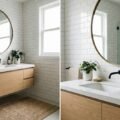
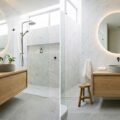
The most popular bathroom colors are the light neutrals, led by off-white and light gray, because they are universally flattering and make a small room look bigger and cleaner. When lighting and humidity are handled, soft pink and warm beige are the most flattering on skin, and a tranquil green or muted blue delivers the spa calm many homeowners want.
The white-and-gray base is the safe, high-value pick, since it works in any bathroom, with any tile, and under any light, and it is the most popular for that reason. Where the light is warm and the room is used for grooming, a soft pink or a warm beige reads most flattering on skin, which is what the flattering-color question is really about. For a relaxation-minded bath, a muted green or a blue brings the calm without the cave-like feel of a deep shade, and a bold accent wall adds character where a full room of color would be too much. The same judgment that keeps paint colors for bedrooms: how to choose shades calm applies here, scaled to a humid, often small room.
Realistic examples and the mistakes that undo them
Two realistic cases show the plan. A small, windowless guest bath gets a soft off-white on the walls, a light satin finish, and a warm bulb, which reads larger and cleaner and flatters anyone using the mirror. A master en suite that the owners use for slow soaks gets a tranquil green on the walls at a satin sheen, white trim, and an exhaust fan run during showers, which delivers the calm with the moisture handled.
The common mistakes come from the color and the finish working against the room. Painting a small, dark bathroom in a deep navy or charcoal closes it in and reads cold rather than cozy, choosing a flat finish in a humid space invites peeling and mildew, and ignoring the lack of natural light leaves a color looking darker and flatter than the chip promised. Skipping the moisture-resistant formula or the ventilation ends in spots and streaks. Each is avoidable by picking the finish for the humidity first, going light in a low-light room, and confirming the color under the room’s real light before the whole wall goes on.
A decision checklist by homeowner profile
Decide the mood, then the finish, then the light. Name what the bathroom should feel like, pick a light-to-soft color family to match, choose a satin or semi-gloss moisture-resistant finish, and check the color in the room’s actual light before painting the full wall.
- Name the mood. Spa-like calm, a fresh open feel, or a warm, flattering glow, and let it set the color family.
- Pick a light, soft shade. Off-white, light gray, soft pink, or muted green are safer in a small, humid room than a deep color.
- Choose a moisture-resistant finish. Satin or semi-gloss, and a bathroom-specific mildew-resistant formula, over a flat sheen.
- Check the light. A windowless or north-facing bathroom shows colors differently, so go lighter and add warm light.
- Test on the wall. Paint a real sample, live with it a day, and confirm it works with the tile and under your light before committing.
A first-time homeowner is best served by the light-neutral-and-satin base, a reseller should stick to broad-appeal white or gray, and a long-term owner can take a soft green or a bold accent tied to a mood they genuinely want.
Frequently asked questions
What is the best color to paint a bathroom? A light, calm neutral such as off-white or light gray is the safest and most popular pick because it looks clean, makes a small room feel larger, and works with any tile and light. For a spa feel, a muted green or blue also suits the room.
What color is most flattering in a bathroom? Soft pink and warm beige tend to read most flattering on skin in the soft light of a bathroom, and a warm bulb helps. Light, warm tones flatter more than a stark cold white or a deep color.
What are the 2026 colors for bathrooms? The 2026 bathroom palette leans calm and grounded, with muted greens, soft pinks, warm creams, and tranquil blues gaining ground alongside the timeless whites and grays. A spa or nature-inspired tone fits the trend without dating the room.
What is the most popular color for bathrooms? White and light gray are the most popular, because they are the most versatile and make the room look bigger and cleaner. Muted green and soft pink are close behind as calmer or warmer alternatives.
What finish should you use in a bathroom? Use a satin or semi-gloss finish, because it resists moisture and wipes clean, where a flat finish absorbs steam and can peel or grow mildew. A moisture- and mildew-resistant bathroom paint adds extra protection in a humid room.
Let the mood, the moisture, and the light decide
Choose bathroom paint colors by the calm or freshness you want the room to carry, keep the shade light in a small or windowless space, and pair it with a satin or semi-gloss moisture-resistant finish that survives the humidity. The color flatters and the finish protects, and together they turn a damp, small room into one you look forward to using.