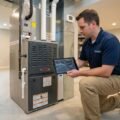
When considering the comfort of a home, most people immediately think of temperature control. A functioning Heating, Ventilation, and Air Conditioning (HVAC) system is celebrated during sweltering summers and freezing winters. However, this system serves a far more vital role than merely adjusting the thermostat; it acts as the respiratory system of your entire home. While mechanical efficiency is important, the most critical function of an HVAC system is its direct impact on Indoor Air Quality (IAQ) and, consequently, the health of the occupants, highlights property management Arlington Heights.
The importance of clean indoor air has reached unprecedented levels of public awareness. Environmental protection agencies report that modern individuals spend approximately 90% of their time indoors. Alarmingly, the concentration of pollutants in these indoor environments can frequently be two to five times higher than outdoor levels. In 2025, as homes become more tightly sealed for energy efficiency, regular professional HVAC inspections have transitioned from an optional maintenance task to an essential health safeguard.
The Hidden Health Risks of Neglected HVAC Systems
An HVAC system that operates without regular professional oversight quickly transforms from an air purifier into a pollutant distributor. The dark, often damp interiors of ductwork and the intricate components of the air handler provide an ideal breeding ground for microscopic threats. When neglected, these systems accumulate a dense mixture of dust mites, pet dander, pollen, and volatile organic compounds (VOCs) emitted by household cleaning products and furniture.
More concerning is the potential for biological growth. Condensation within the system can foster mold and mildew, the spores of which are then forcefully circulated into every room whenever the fan engages. Medical research consistently links poor IAQ to a spectrum of health issues, ranging from exacerbated asthma and chronic allergies to more severe respiratory infections. Furthermore, with the increasing frequency of external environmental factors like wildfire smoke in recent years, a compromised HVAC system leaves a home defenseless against fine particulate matter (PM2.5) infiltrating from the outside.
Beyond Filter Changes: The Anatomy of a Comprehensive Inspection
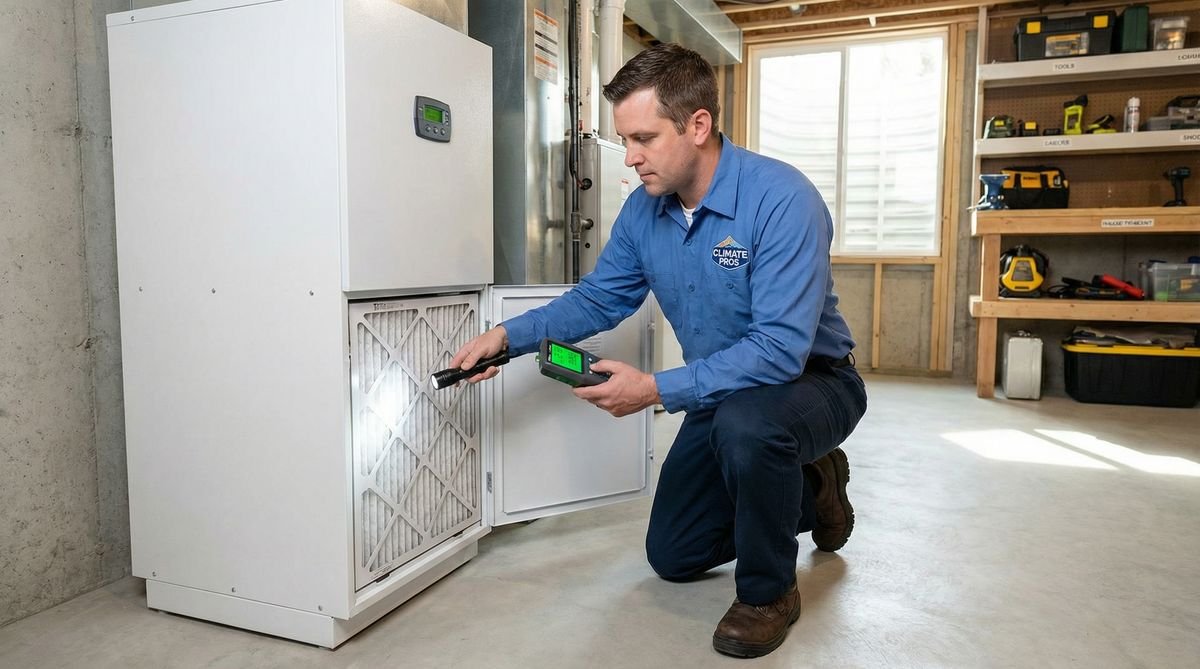
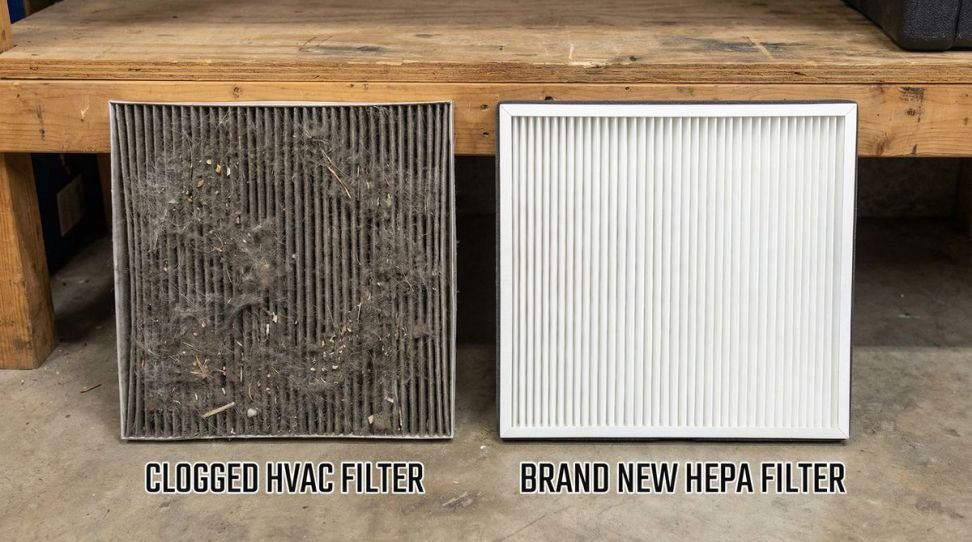
A common misconception among property owners is that independently swapping out the fiberglass air filter every few months constitutes adequate HVAC maintenance. While filter replacement is crucial, it is merely surface-level care. A comprehensive professional inspection delves much deeper into the mechanics that dictate air purity.
During a rigorous inspection, certified technicians clean the evaporator and condenser coils; dirty coils not only reduce energy efficiency but also harbor moisture and bacteria. They meticulously check the condensate drain line for clogs that could lead to water damage and mold growth. Additionally, technicians assess the integrity of the ductwork. Even minor leaks or disconnections in the ducts, especially those located in unconditioned spaces like attics or crawlspaces, can draw in unfiltered, contaminated air and distribute it directly into the living areas.
Basic Maintenance vs. Comprehensive HVAC Health Check
To understand the full value of professional oversight, it is helpful to compare standard homeowner tasks with the depth of a certified inspection.
| Maintenance Level | Scope of Work | Impact on Air Quality | Health Protection Level |
|---|---|---|---|
| Basic Homeowner Care | Replacing standard 1-inch filters monthly. | Captures large dust and hair; minimal impact on micro-particles. | Low; primarily protects the equipment, not human lungs. |
| Comprehensive Inspection | Deep cleaning coils, clearing drains, checking duct seals. | Eliminates mold breeding grounds and prevents unfiltered air intake. | High; actively removes biological threats and ensures pure circulation. |
| System Optimization | Calibrating airflow and humidity controls. | Maintains optimal humidity (30-50%) to suppress dust mites and mold. | Excellent; creates an environment hostile to allergens. |
| Advanced Upgrades | Installing UV lights or HEPA filtration systems. | Neutralizes airborne viruses, bacteria, and severe VOCs. | Maximum; hospital-grade air purification for sensitive individuals. |
The Rise of Smart IAQ Monitoring in 2025
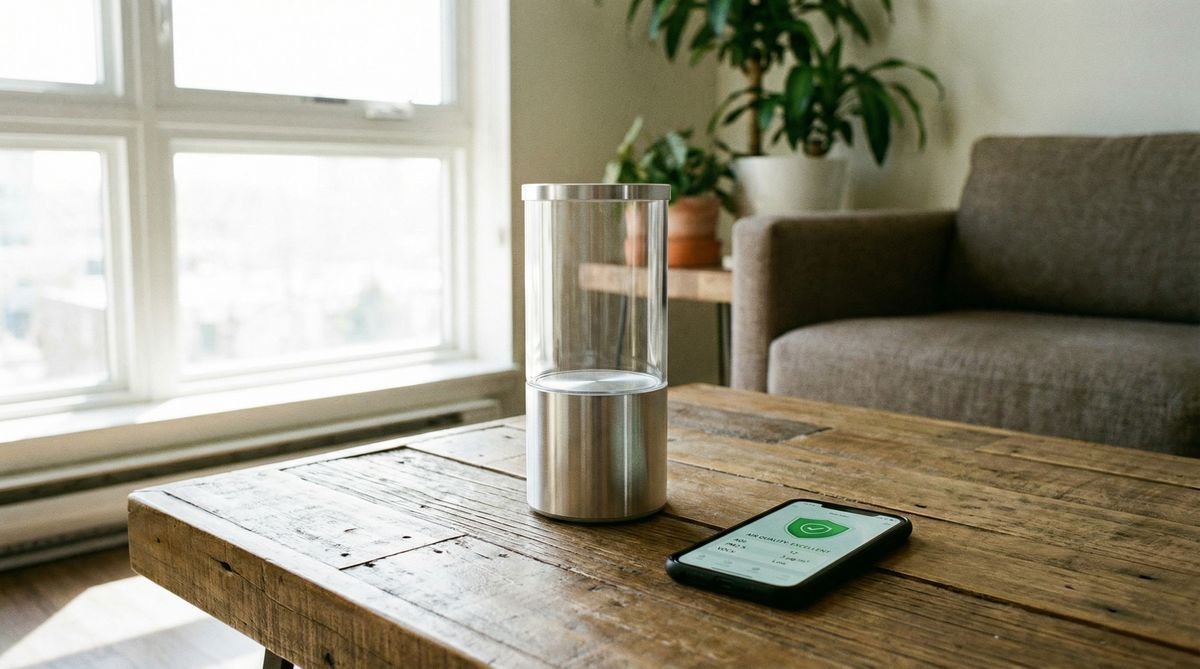
The approach to maintaining indoor air quality has evolved significantly with the integration of smart technology. In 2025, the standard for a healthy home includes the deployment of intelligent IAQ monitors that work in tandem with the HVAC system. These advanced sensors continuously analyze the air for invisible threats, tracking precise levels of carbon dioxide, humidity, and fine particulate matter in real-time.
This technological advancement shifts the paradigm from reactive repairs to predictive health management. When an IAQ monitor detects a sudden spike in VOCs or a drop in air purity, it can automatically trigger the HVAC system’s fan to increase ventilation or alert the homeowner via a smartphone application. Professional inspections now frequently include the calibration and integration of these smart devices, ensuring that the home’s “respiratory system” is constantly monitored and optimized for human health.
Frequently Asked Questions
How often should a residential HVAC system be inspected?
Industry experts universally recommend that a residential HVAC system undergo a professional inspection twice a year. Ideally, the air conditioning unit should be serviced in the spring before the summer heat arrives, and the heating system should be inspected in the fall prior to heavy winter usage.
What are the signs of poor indoor air quality in a home?
Indicators of compromised IAQ include persistent musty or stale odors, visible dust accumulation shortly after cleaning, and lingering condensation on windows. Health-related signs often manifest as frequent headaches, unexplained fatigue, or an increase in allergy and asthma symptoms while indoors.
Can a dirty HVAC system make you sick?
Yes. A severely neglected system can circulate harmful biological contaminants, including mold spores and bacteria. Prolonged exposure to these circulated pollutants can lead to respiratory infections, severe allergic reactions, and a condition known as “sick building syndrome.”
Investing in the Air You Breathe
Ultimately, the true value of regular HVAC inspections cannot be measured solely in energy savings or extended equipment life. The most profound return on this investment is the assurance of a healthy, safe living environment. By prioritizing comprehensive maintenance and embracing modern air quality technologies, homeowners ensure that every breath taken within their sanctuary is clean, pure, and restorative.