The landscape of modern residential environments is undergoing a profound digital transformation. In the contemporary real estate market, the integration of the Internet of Things (IoT) has officially transitioned from a futuristic luxury to a fundamental driver of modern apartment living. As the demand for more secure, efficient, and responsive ways to manage residential properties grows, IoT technology is fundamentally redefining how multi-dwelling units are designed, operated, and experienced, points out Kinnelon Property Management.
Recent market projections indicate that by the end of 2025, approximately 42% of all apartment units will have connected devices installed, representing a massive leap from just 4% in 2020. This rapid adoption is driven by the clear benefits these systems provide: from smart thermostats and advanced security cameras to integrated lighting and predictive maintenance sensors. For property owners, developers, and residents alike, understanding the transformative power of IoT is essential. This connected ecosystem not only maximizes return on investment and operational efficiency but also caters directly to the evolving expectations of modern tenants who prioritize digital convenience.
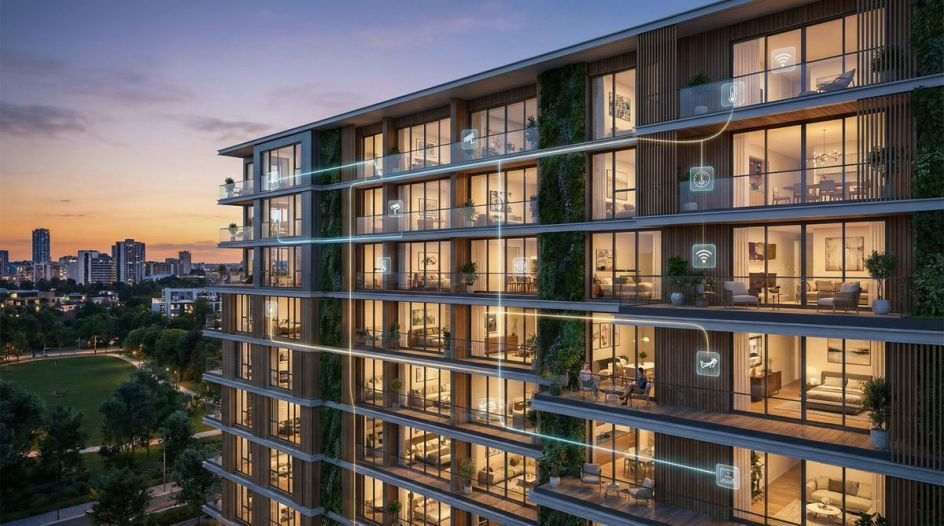
The Shift Toward Connected Urban Living: Beyond Traditional Management
The primary objective of implementing IoT in apartment complexes is to elevate the quality of the resident experience while simultaneously reducing the time and cost associated with property management. In a traditional apartment model, operations are largely manual and reactive. Maintenance teams only respond to issues after a resident reports a broken appliance or a water leak, leading to costly emergency repairs and prolonged inconveniences.
IoT technology disrupts this outdated model by utilizing a network of interconnected sensors and devices that monitor building operations in real time. Rather than relying on isolated systems, modern smart apartments utilize a centralized platform where lighting, climate control, and access management communicate seamlessly. This holistic approach provides a level of efficiency and security that traditional methods simply cannot match.
| Feature Category | Traditional Apartment Complexes | IoT-Integrated Smart Apartments |
|---|---|---|
| Maintenance | Reactive (fixing problems after they break) | Predictive (sensors detect anomalies before failure) |
| Access Control | Physical keys (prone to loss and security breaches) | Digital keys, biometric entry, and remote access management |
| Energy Usage | Manual control, high waste in vacant units | Automated climate and lighting adjustments based on occupancy |
| Resident Experience | Standard amenities, disconnected living | Personalized automation, voice control, high convenience |
By prioritizing comprehensive IoT integration, property owners ensure their assets remain relevant and competitive in an increasingly digital housing market.
Smart Thermostats and Automated Energy Management
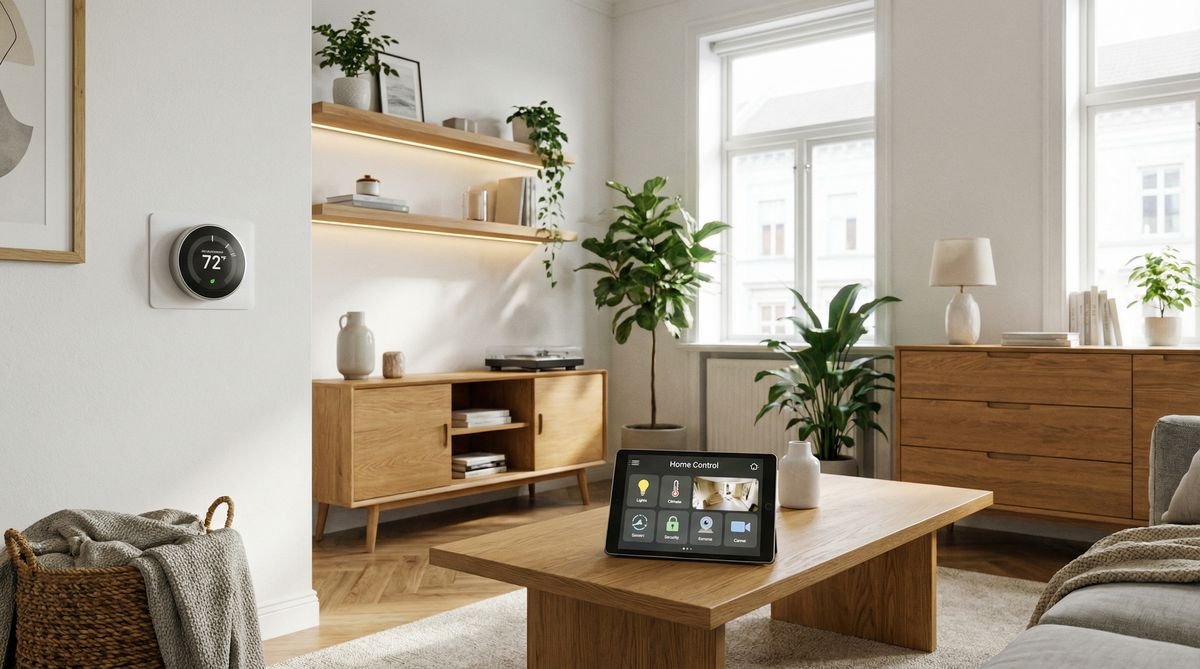
One of the most immediate and significant benefits of IoT integration in apartment complexes is the deployment of smart thermostats and automated energy management systems. These intelligent devices utilize advanced algorithms and occupancy sensors to provide precise, efficient climate control. Unlike traditional thermostats that run on rigid schedules, smart systems learn resident behaviors and automatically adjust heating and cooling to optimize comfort while minimizing energy waste.
The financial and environmental impacts of these systems are substantial. Properties utilizing comprehensive smart building solutions have reported an average 19% reduction in energy costs and an 18% decrease in water consumption. For residents, this translates to lower monthly utility bills and the convenience of controlling their home’s environment remotely via smartphone applications.
Furthermore, energy management extends beyond individual units into shared spaces. Integrated lighting systems in hallways, gyms, and parking garages can automatically dim or turn off when areas are unoccupied. This level of automated energy management not only reduces the building’s overall carbon footprint but also aligns with the growing global emphasis on sustainable living practices.
Advanced Security Systems and Resident Peace of Mind
Security remains a paramount concern for urban residents, and IoT technologies are revolutionizing how safety is maintained in multi-dwelling units. Recent industry surveys reveal that 41% of renters cite “feeling safer” as their primary motivation for desiring smart home technology. IoT-enabled security systems provide a comprehensive, proactive approach to building safety that goes far beyond traditional locks and isolated cameras.
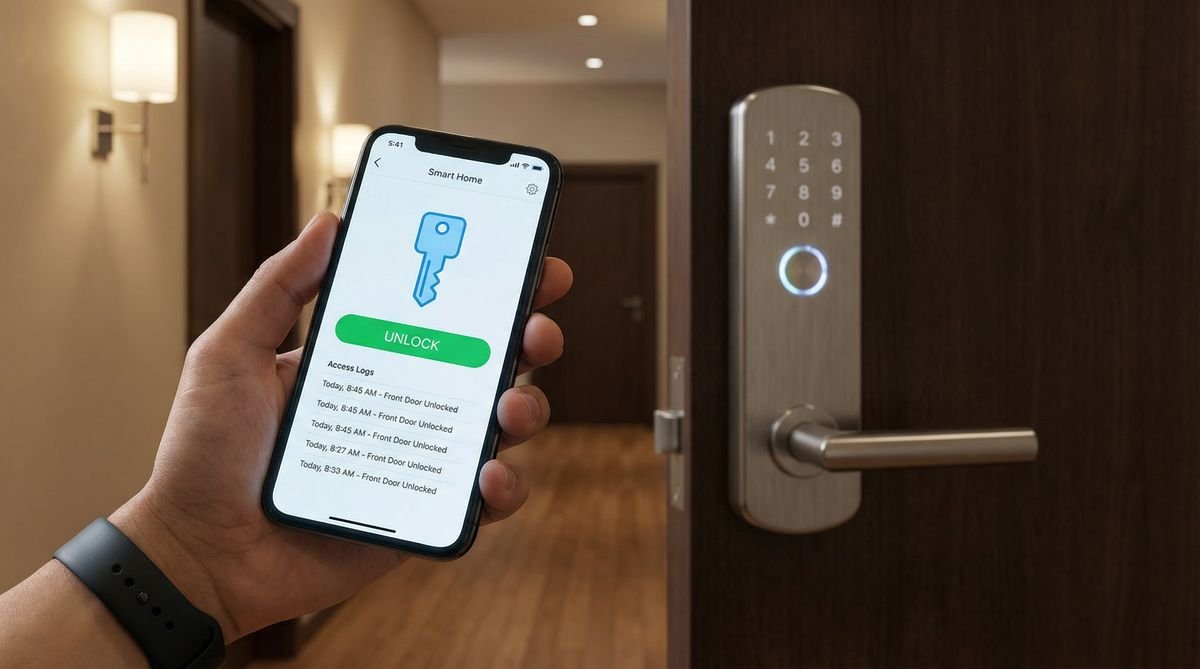
The transition from physical keys to digital access control is a prime example of this evolution. Keyless entry systems allow residents to unlock doors using mobile credentials, PIN codes, or biometric authentication. This eliminates the security risks associated with lost or duplicated keys and allows property managers to instantly grant or revoke access for maintenance staff, delivery couriers, or guests.
Additionally, modern security cameras equipped with artificial intelligence can monitor common areas and entryways continuously. These systems can detect unusual activity, identify unauthorized access attempts, and send real-time alerts to management. By implementing these robust security features, properties have seen insurance costs drop by as much as 16%, while simultaneously fostering a profound sense of safety and peace of mind among residents.
Predictive Maintenance: The Hidden ROI Multiplier
While resident-facing technologies often dominate the conversation, the operational backbone of IoT integration lies in predictive maintenance. Traditional property management relies on reactive maintenance—waiting for a pipe to burst or an HVAC unit to fail before taking action. This approach inevitably leads to expensive emergency repairs, property damage, and highly dissatisfied residents.
IoT sensors fundamentally change this dynamic by continuously tracking the performance of critical building infrastructure. Water leak detectors placed under sinks and near water heaters can identify moisture anomalies instantly, sending automated alerts to maintenance teams before a minor drip becomes a catastrophic flood. Similarly, sensors on HVAC systems can detect irregular vibrations or temperature fluctuations, signaling that a component requires servicing before it breaks down completely.
The financial impact of predictive maintenance is staggering. Properties utilizing these IoT networks have documented a 20% increase in overall operational efficiency and an 18% reduction in maintenance costs. By extending the lifespan of expensive assets and preventing severe damage, predictive maintenance serves as a powerful, often hidden multiplier for a property’s return on investment.
Elevating the Resident Experience to Reduce Turnover
The modern renter’s expectations have evolved significantly, moving beyond traditional amenities like fitness centers and swimming pools. Today, digital convenience is a primary deciding factor when choosing a place to live. Current data shows that 58% of renters prioritize smart home technology over traditional property amenities, and 65% find apartments significantly more appealing if they offer connected living features.
IoT technology elevates the resident experience by offering personalized automation and seamless connectivity. Residents can integrate their apartments with voice assistants to control lighting, adjust window shades, or manage entertainment systems without lifting a finger. Automated package delivery systems and smart lockers ensure that e-commerce deliveries are received securely, addressing a major pain point for busy professionals.
This enhanced living experience directly impacts property performance. Buildings that offer a cohesive smart apartment ecosystem experience higher resident satisfaction, leading to increased lease renewal rates and reduced turnover. Furthermore, the integration of these high-demand technologies allows property owners to justify premium rental rates, contributing to a 3% to 5% increase in overall property valuation.
Frequently Asked Questions (FAQ)
What are the most common IoT devices integrated into modern apartments?
The most highly requested and commonly installed IoT devices in apartment complexes include smart locks for keyless entry, smart thermostats for automated climate control, and water leak sensors for predictive maintenance. Integrated smart lighting and video intercom systems are also standard features in modern smart communities.
Does smart apartment technology increase property value?
Yes, integrating IoT technology significantly impacts property valuation. Properties equipped with smart building solutions typically see a 3% to 5% increase in overall valuation. This is driven by higher rental yields, reduced operational costs through energy savings, and lower maintenance expenses achieved via predictive monitoring.
Are IoT systems in apartment complexes secure against cyber threats?
Enterprise-grade IoT systems used in multifamily properties are designed with robust security protocols. Unlike basic consumer gadgets, these centralized platforms utilize end-to-end data encryption, strict access controls, and regular software updates to protect resident privacy and safeguard the building’s network against unauthorized access.
Conclusion: Embracing the Connected Future
The integration of IoT is a powerful, indispensable tool for revolutionizing urban living within the real estate industry. By focusing on smart thermostats, advanced security cameras, predictive maintenance sensors, and automated energy management, property owners can dramatically improve the efficiency, safety, and sustainability of their apartment complexes.
These connected solutions provide immediate practical benefits—such as lowering utility bills and preventing costly water damage—while simultaneously enhancing the long-term marketability of the property. As the real estate landscape continues to evolve toward a more digital future, IoT integration will remain a critical factor in determining the success of modern residential buildings. Transitioning to a smart apartment ecosystem is a necessary evolution that ensures properties meet the high expectations of today’s tech-savvy residents while optimizing operational performance for years to come.