In the highly competitive modern residential real estate market, curb appeal has evolved from a subjective aesthetic concept into a quantifiable financial asset. The exterior of a home is no longer just about planting a few colorful flowers; it is about creating a cohesive, high-performance ecosystem. According to recent industry data, a staggering 97% of real estate professionals believe that curb appeal is critical in attracting buyers, and a professionally designed landscape can increase a property’s overall value by 5% to 15%, says Longwood Property Management.
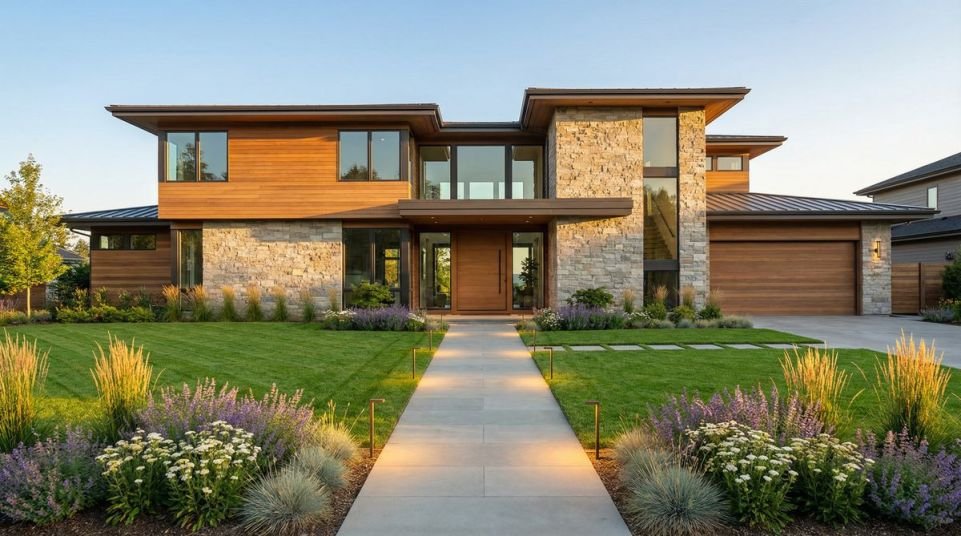
As we move deeper into a digital-first era, tech-enabled landscaping solutions are redefining how we manage and perceive outdoor spaces. From artificial intelligence guiding the initial design process to smart irrigation systems conserving vital resources, technology offers a strategic pathway to elevate a property’s exterior. These innovations not only create a more comfortable and visually stunning living environment but also significantly reduce long-term maintenance costs, delivering a measurable return on investment for homeowners.
AI and AR: Visualizing the Perfect Landscape Before Breaking Ground
The integration of Artificial Intelligence (AI) and Augmented Reality (AR) has revolutionized the initial stages of landscaping. Historically, homeowners had to rely on 2D sketches or simply their imagination when planning a major outdoor renovation, which often led to costly design mistakes and mismatched plant selections. Today, advanced software tools eliminate this guesswork entirely.
By simply uploading a photo of their property’s exterior, homeowners can instantly generate photorealistic visualizations of different landscaping styles. Whether exploring a modern minimalist aesthetic, a lush cottage garden, or a drought-resistant xeriscape, AI platforms allow for rapid experimentation. These tools analyze the property’s specific dimensions and suggest optimal plant palettes based on the local climate hardiness zone. This level of precision ensures that the final design is not only visually striking but also horticulturally sound, preventing the financial loss associated with planting incompatible flora.
Smart Irrigation Systems: The Core of Digital Efficiency
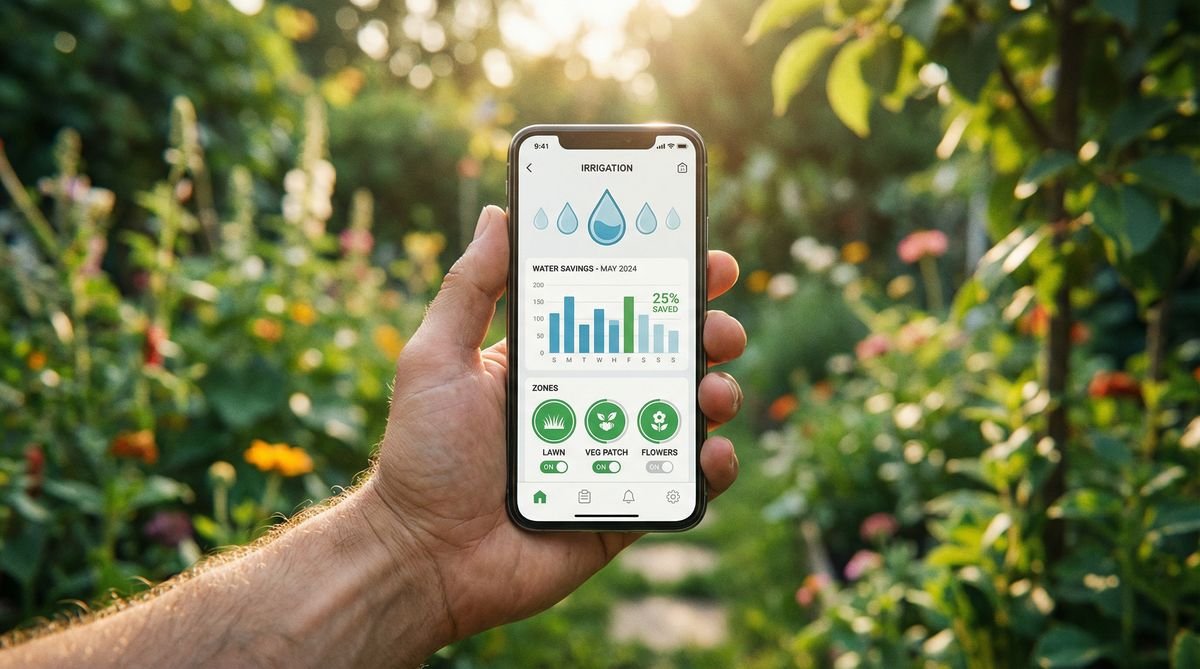
Water management is perhaps the most critical component of a sustainable landscape, and smart irrigation systems represent the pinnacle of digital efficiency. Traditional sprinkler systems operate on rigid, pre-programmed timers, often watering lawns during rainstorms or failing to provide enough moisture during sudden heatwaves. This inefficiency leads to both wasted resources and stressed plants.
Smart irrigation controllers solve this problem by connecting to local weather stations and utilizing real-time data. Combined with soil moisture sensors placed throughout the yard, these systems dynamically adjust watering schedules based on exact environmental conditions. The financial and ecological impact is substantial; implementing smart irrigation can reduce outdoor water usage by 20% to 50%. Furthermore, property managers and homeowners can monitor consumption, detect leaks, and control the entire system remotely via a smartphone application, ensuring the landscape remains perfectly hydrated without any wasted effort.
Traditional Landscaping vs. Tech-Enabled Landscaping
| Feature | Traditional Landscaping | Tech-Enabled Landscaping |
|---|---|---|
| Water Management | Rigid timers, prone to overwatering during rain | Real-time weather adaptation, soil moisture sensors |
| Maintenance Labor | High manual labor for mowing and upkeep | Automated robotic mowers, predictive maintenance alerts |
| Lighting Control | Manual switches or basic mechanical timers | Automated scheduling, motion sensors, voice activation |
| Design Process | Guesswork, 2D sketches, trial and error | AI/AR photorealistic visualization, precise plant matching |
| Energy Efficiency | Standard bulbs, high electricity consumption | Smart LED systems reducing energy costs by up to 85% |
Automated Maintenance and Robotic Lawn Care
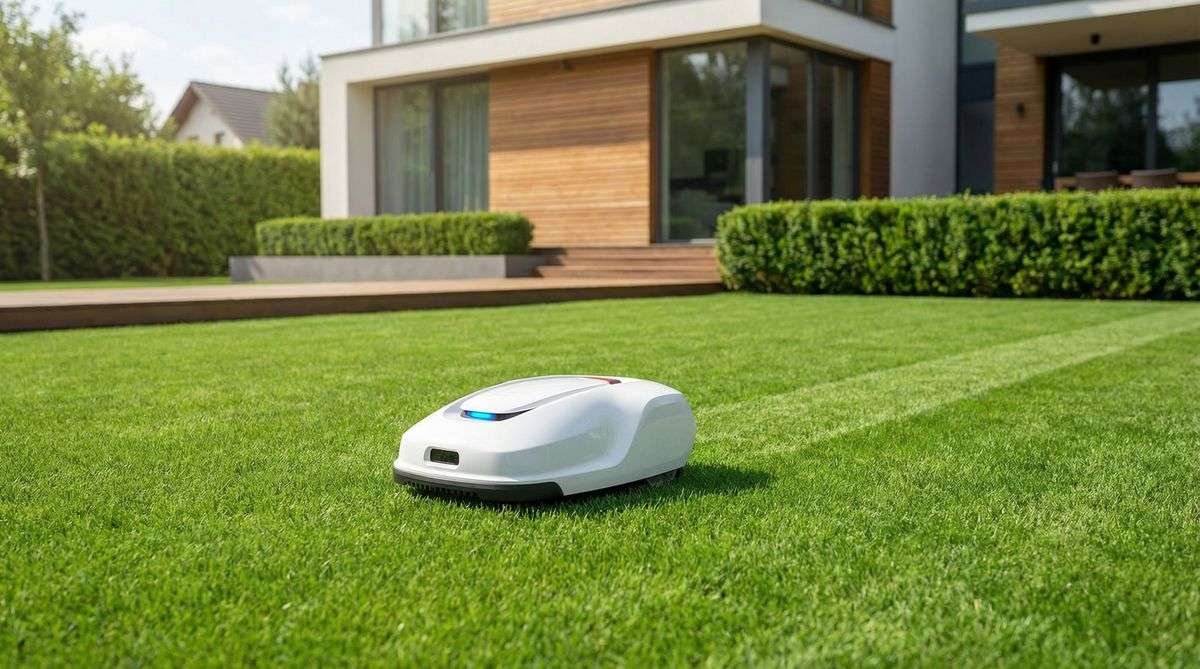
Maintaining a pristine lawn requires consistent, time-consuming labor. However, the rise of automated robotic lawn mowers is transforming how properties maintain their curb appeal. Similar to indoor robotic vacuums, these intelligent machines navigate outdoor spaces autonomously, ensuring the grass is kept at an optimal, uniform height throughout the week.
The benefits of robotic mowers extend beyond mere convenience. Because they cut grass more frequently and in smaller increments, the fine clippings are returned to the soil as natural fertilizer, promoting a healthier, greener lawn. Additionally, these battery-powered devices operate with significantly lower noise levels than traditional gas mowers and produce zero direct emissions. For potential buyers viewing a property, a consistently manicured lawn maintained by quiet, eco-friendly technology serves as a powerful indicator of a well-cared-for home.
Intelligent Outdoor Lighting and Security Integration
Lighting plays a dual role in landscaping: it highlights architectural features to enhance nighttime aesthetics and provides essential security. Intelligent LED outdoor lighting systems allow homeowners to connect numerous fixtures to a single, easily manageable network. These systems can be programmed to adjust automatically based on sunrise and sunset times, ensuring the property is always beautifully illuminated without wasting energy during daylight hours.
The efficiency gains are remarkable, with smart LED systems capable of reducing outdoor electricity costs by 75% to 85% compared to traditional lighting. Beyond energy savings, these systems integrate seamlessly with home security infrastructure. Motion-activated lights can be configured to trigger instant alerts on a homeowner’s smartphone or synchronize with security cameras to record potential intrusions. This combination of elevated visual appeal and enhanced safety makes the property highly attractive to prospective buyers.
The Financial ROI of Sustainable Smart Landscapes
The ultimate value of tech-enabled landscaping lies in its strong financial return on investment. Modern buyers are increasingly prioritizing sustainability and low-maintenance living. Properties that feature climate-responsive landscaping, such as drought-resistant native plants managed by smart irrigation, offer a compelling proposition: beautiful aesthetics coupled with low operational costs.
Market data indicates that homes equipped with low-maintenance, tech-integrated landscapes sell 15% to 20% faster than comparable homes with traditional yards. The initial investment in smart technology—whether it is an automated watering system, intelligent lighting, or robotic maintenance—pays dividends by dramatically reducing monthly utility bills and minimizing the need for professional landscaping services. Ultimately, a smart landscape is viewed not as an expense, but as a premium upgrade that protects and enhances the property’s long-term valuation.
Frequently Asked Questions
How does tech-enabled landscaping increase property value?
Tech-enabled landscaping increases property value by improving the visual appeal, reducing ongoing maintenance costs, and lowering utility bills. Features like smart irrigation and automated lighting signal to buyers that the home is modern, efficient, and well-maintained, often allowing the property to command a premium price on the market.
What are the financial benefits of smart irrigation systems?
Smart irrigation systems provide significant financial benefits by reducing outdoor water usage by 20% to 50%. By using real-time weather data and soil sensors, they prevent overwatering, which lowers monthly water bills and protects expensive plants from root rot or drought stress, saving replacement costs.
Does smart landscaping really save water and energy?
Yes. Smart LED lighting systems can reduce outdoor electricity consumption by up to 85%, while intelligent irrigation controllers drastically cut water waste. These technologies ensure that resources are only used exactly when and where they are needed, making the property highly sustainable and eco-friendly.
Conclusion: Investing in the Future of Your Property
The transition toward tech-enabled landscaping solutions represents a fundamental shift in how we manage residential exteriors. By embracing AI design tools, smart irrigation, robotic maintenance, and intelligent lighting, homeowners can create outdoor spaces that are not only breathtakingly beautiful but also highly efficient and sustainable.
As the real estate market continues to evolve, these technological integrations are rapidly moving from luxury add-ons to expected standards. Investing in a smart landscape is a strategic decision that immediately elevates curb appeal while ensuring the property remains competitive, desirable, and financially optimized for the future.