In the highly competitive modern real estate market, the pressure to maximize Net Operating Income (NOI) is relentless. Property owners and investors are constantly seeking strategies to increase revenue while simultaneously compressing operational expenses. Historically, property management relied heavily on manual processes—spreadsheets, paper records, and disjointed communication channels. However, these traditional methods are no longer sufficient to meet the efficiency demands of modern portfolios, often leading to costly human errors and significant time drains, highlights Keyrenter West Seattle Tukwila team.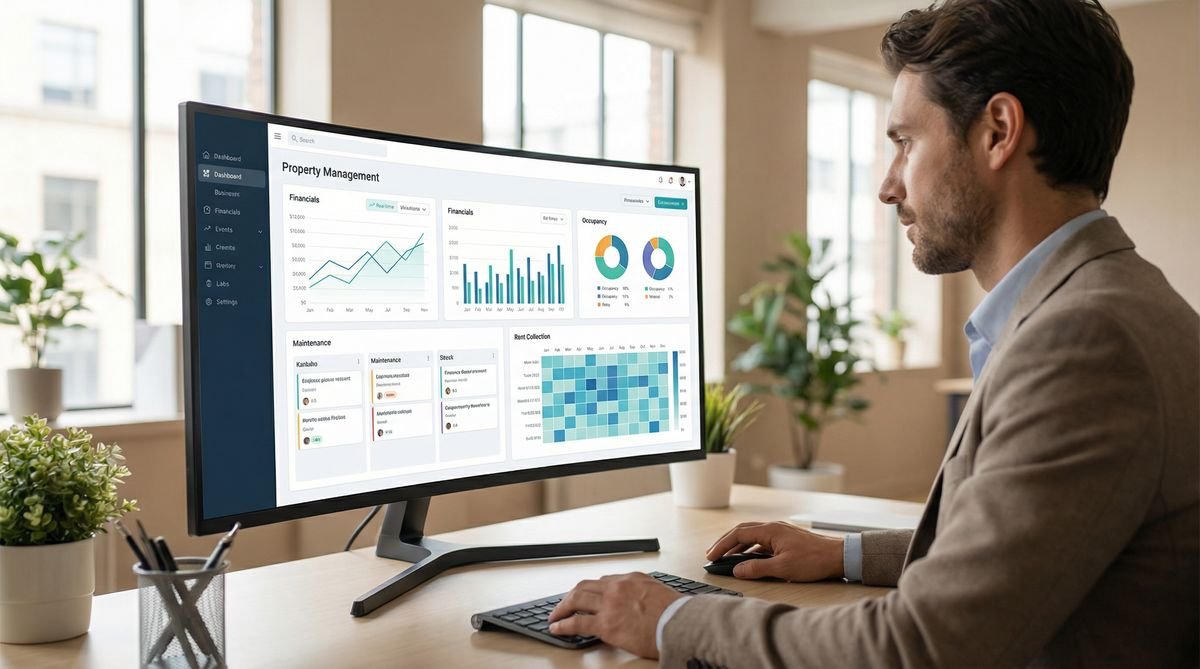
Today, professional property management software has transitioned from being a luxury technological upgrade to a fundamental driver of profitability. It serves as a centralized ecosystem that automates administrative tasks, reduces vacancy cycles, optimizes maintenance costs, and provides actionable, data-driven insights. According to industry data, implementing robust property management software can reduce administrative workload by up to 60%. Furthermore, property managers utilizing these platforms save an average of nine hours per week, translating to substantial annual labor savings. By understanding the direct financial impact of these digital tools, real estate professionals can unlock measurable improvements in their overall Return on Investment (ROI).
Automated Rent Collection and Cash Flow Optimization
Consistent cash flow is the lifeblood of any successful real estate investment. Late rent payments and the manual processing of paper checks introduce significant friction into financial operations, creating hidden costs that erode profitability. The administrative burden of sending reminders, making phone calls, and physically depositing funds consumes valuable time that could be allocated to portfolio growth.
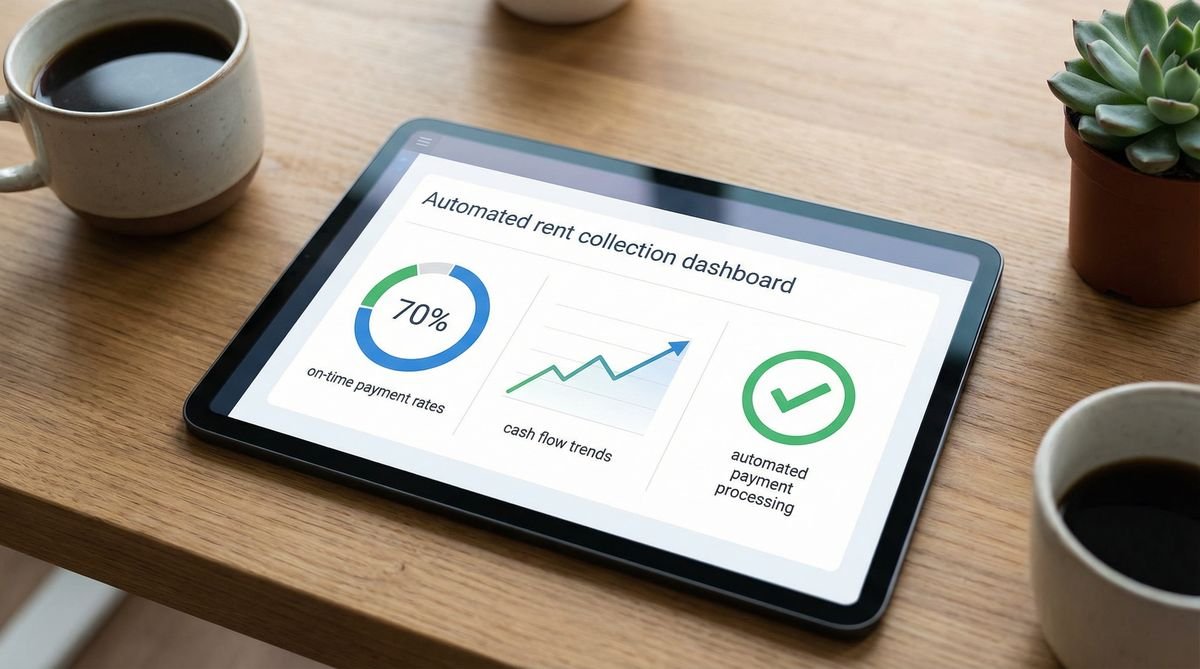
Professional property management software directly addresses this inefficiency through automated rent collection systems. By providing tenants with secure, user-friendly online payment portals accessible via smartphones or computers, the friction of paying rent is virtually eliminated. These systems can automatically calculate and apply late fees, send scheduled payment reminders, and process recurring automated clearing house (ACH) transfers. The impact on ROI is immediate and quantifiable: automated systems have been shown to increase on-time payment rates by up to 20%. By removing the manual labor associated with chasing late payments—which can easily consume over an hour per incident—property owners experience a more reliable, predictable cash flow and drastically reduced administrative overhead.
Reducing Vacancies and Enhancing Tenant Retention
Every single day a unit sits vacant represents a direct, unrecoverable loss of revenue. Therefore, minimizing turnover time and maximizing tenant retention are critical components of a high-ROI strategy. Property management software accelerates the lease-up cycle through a variety of integrated digital tools. Automated listing syndication allows managers to push available units to dozens of online rental platforms simultaneously with a single click, maximizing exposure instantly.
Furthermore, digital tenant screening processes applications in a matter of hours rather than days, while electronic lease signing eliminates the scheduling delays associated with in-person document execution. Together, these features can shorten vacancy cycles by up to 25%. Beyond filling empty units faster, software significantly boosts tenant retention. Modern tenants expect digital convenience. Providing a self-service portal where residents can easily submit maintenance requests, view their ledger, and communicate with management fosters transparency and trust. Industry studies indicate that residents with access to such comprehensive digital portals are more than twice as likely to renew their leases, stabilizing long-term revenue streams and eliminating costly turnover expenses.
Predictive Maintenance: Controlling the Largest Variable Cost
Maintenance is typically the largest and most unpredictable variable expense in a property’s operating budget. A reactive approach to maintenance—waiting for a system to break before fixing it—almost always results in expensive emergency repairs and severe tenant dissatisfaction.
Advanced property management software transforms this dynamic by enabling proactive and predictive maintenance strategies. Through digital work order tracking, managers can efficiently assign tasks to vendors, monitor progress in real-time, and ensure rapid resolution. More importantly, these platforms track the service history and lifecycle of critical assets, such as HVAC units and plumbing systems. By scheduling automated preventive maintenance alerts, property owners can address minor wear and tear before it escalates into a catastrophic failure. This data-driven approach to asset preservation not only extends the lifespan of expensive equipment but can also reduce emergency repair costs by 25% to 40%, directly protecting the bottom line.
Manual Management vs. Software Management
| Operational Area | Traditional Manual Management | Professional Software Management | Impact on ROI |
|---|---|---|---|
| Rent Collection | Paper checks, manual ledger entries, high late rates | Automated online portals, auto-late fees, recurring ACH | Increased on-time payments, predictable cash flow |
| Maintenance | Phone calls, lost paper tickets, reactive repairs | Digital tracking, vendor integration, preventive alerts | 25–40% reduction in emergency repair costs |
| Leasing Cycle | Manual multi-site posting, paper applications | Single-click syndication, instant digital screening | Up to 25% shorter vacancy periods |
| Financial Tracking | Disjointed spreadsheets, delayed reporting | Real-time dashboards, automated reconciliation | Instant visibility for strategic decision-making |
Data-Driven Financial Reporting and Investment Decisions
To maximize ROI, property investors must have clear, real-time visibility into the financial health of their assets. Relying on outdated spreadsheets often means that by the time financial reports are generated, the data is already obsolete, leading to delayed or misguided strategic decisions.
Professional software solutions provide centralized financial dashboards that automatically track income, categorize expenses, and generate comprehensive performance reports. This real-time transparency allows owners to instantly identify underperforming assets, pinpoint areas of operational bloat, and adjust rental pricing strategies based on accurate market data. When financial data is organized and immediately accessible, it not only simplifies tax preparation and audits but also empowers investors to make objective, data-driven decisions that enhance the overall valuation and profitability of their real estate portfolio.

Frequently Asked Questions
How quickly can I expect to see an ROI from property management software?
Most property owners begin to see a measurable return on investment within the first few months of implementation. The immediate recovery of time spent on administrative tasks, combined with a reduction in late payments and faster lease-ups, quickly offsets the initial subscription costs.
Does property management software actually reduce tenant turnover?
Yes. By providing a frictionless living experience—such as easy online payments, rapid response to digital maintenance requests, and transparent communication—tenant satisfaction increases significantly. Satisfied tenants who feel their needs are managed professionally are far more likely to renew their leases.
Is property management software cost-effective for small portfolios?
Absolutely. The value of the time saved by automating rent collection and maintenance tracking often far exceeds the monthly cost of the software, even for owners with just a handful of units. Furthermore, utilizing software from the beginning establishes a scalable foundation for future portfolio growth.
Conclusion
The transition toward professional property management software represents a fundamental shift in how real estate assets are optimized for profitability. By embracing automation in rent collection, streamlining the leasing process, enforcing preventive maintenance, and leveraging real-time financial data, property owners can systematically eliminate inefficiencies that drain revenue.
As the real estate industry continues its rapid digital transformation, relying on manual processes is no longer a viable strategy for growth. Investing in comprehensive management software is not merely an operational upgrade; it is a strategic financial decision that protects asset value, enhances tenant satisfaction, and consistently drives a higher, more reliable return on investment over the long term.