As real estate portfolios expand, the complexity of managing them grows exponentially. For investors and property owners holding diverse assets, relying on isolated, decentralized management models often leads to operational inefficiencies and missed financial opportunities. The modern real estate landscape demands a more sophisticated approach. Centralized management has emerged not merely as a convenience, but as a critical infrastructure requirement for scaling operations effectively, observes Norfolk Property Management.
The global property management market is experiencing rapid technological adoption, with valuations projected to exceed $24 billion by the end of 2025. This growth is largely driven by the urgent need to streamline operations across multiple properties. Centralizing a real estate organization transforms a fragmented group of assets into a cohesive, high-performing portfolio. By consolidating resources, standardizing processes, and leveraging technology, investors can achieve significant economies of scale, optimize their return on investment (ROI), and mitigate inherent risks associated with large-scale property ownership.
The Shift Toward Data-Driven Portfolio Management
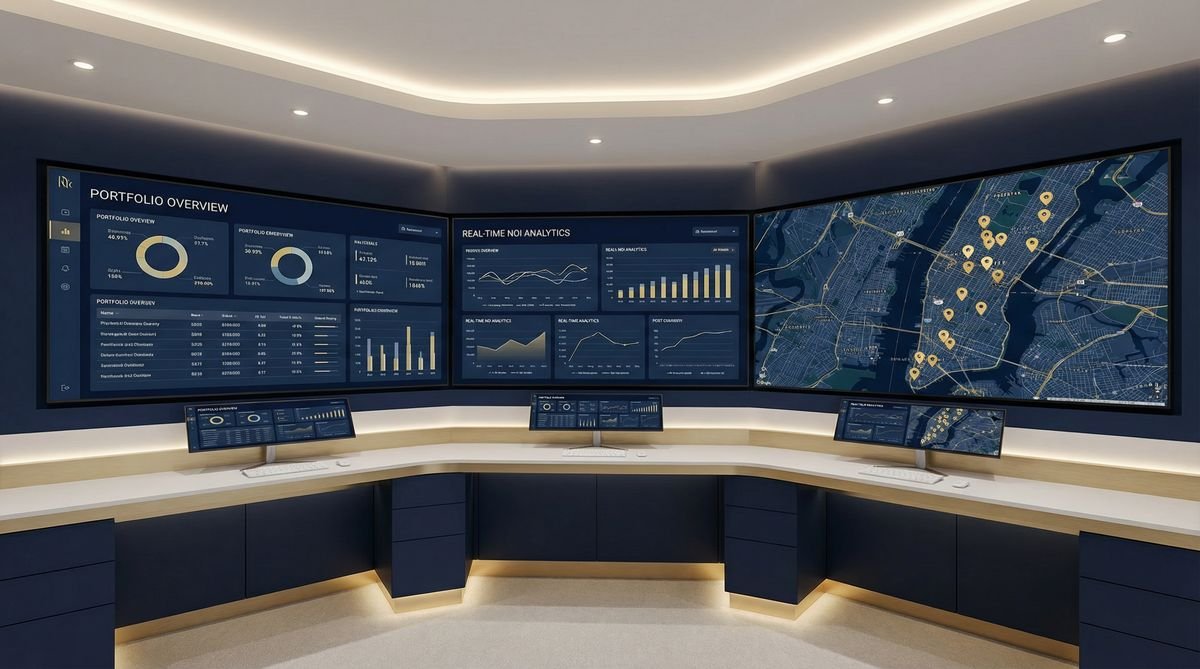
The transition from decentralized to centralized management represents a fundamental paradigm shift—from reactive troubleshooting to proactive portfolio optimization. In a traditional setup, each property often operates in a silo, utilizing different software, separate accounting practices, and distinct vendor relationships. This fragmentation makes it nearly impossible for investors to gain an accurate, real-time overview of their entire portfolio’s performance.
Centralization eliminates these informational blind spots. By integrating leasing, accounting, and maintenance functions into a single unified system, property owners gain unprecedented visibility into their assets. This holistic approach allows decision-makers to identify underperforming properties quickly, reallocate resources efficiently, and implement data-driven strategies that enhance overall portfolio value. Furthermore, a centralized structure significantly reduces administrative overhead by eliminating redundant positions and streamlining workflows across the board.
Decentralized vs. Centralized Management
| Operational Aspect | Decentralized Management | Centralized Management |
|---|---|---|
| Data Visibility | Fragmented reporting, delayed financial insights | Real-time, portfolio-wide analytics and unified dashboards |
| Cost Efficiency | High administrative overhead, redundant services | Economies of scale, bulk purchasing, optimized staffing |
| Tenant Experience | Inconsistent service quality across different properties | Standardized communication and maintenance protocols |
| Scalability | Difficult to integrate new acquisitions smoothly | Seamless onboarding of new properties into existing systems |
| Risk Management | Variable compliance tracking, higher liability exposure | Standardized safety audits and automated compliance reporting |
Unlocking Economies of Scale and Cost Optimization
One of the most compelling arguments for centralizing a large real estate portfolio is the profound economic benefit derived from economies of scale. When properties are managed independently, owners miss out on the substantial purchasing power that comes with volume. Centralized management consolidates procurement, allowing investors to negotiate highly favorable terms for everything from maintenance supplies and insurance policies to professional service contracts.
Recent industry data highlights the financial impact of this consolidation. Portfolios that transition to a centralized maintenance and procurement model have reported reducing their overall maintenance costs by up to 35%. By negotiating bulk service agreements for landscaping, HVAC servicing, and janitorial work across multiple properties, owners can dramatically lower their per-unit operating expenses. Additionally, centralizing administrative tasks such as payroll and vendor management reduces the need for extensive on-site staff, further optimizing the operational budget without compromising service quality.
Automated Financial Operations and NOI Growth
Financial efficiency is the lifeblood of any successful real estate investment. Centralized property management leverages advanced software to automate critical financial operations, directly impacting the portfolio’s Net Operating Income (NOI). Automated rent collection systems not only improve cash flow consistency but also drastically reduce the human errors associated with manual processing.
Beyond basic rent collection, centralized financial systems provide real-time, comprehensive reporting. Investors can instantly access profit and loss statements, track delinquency rates, and monitor budget variances across the entire portfolio or drill down into specific assets. This immediate access to financial data empowers owners to make agile decisions—such as adjusting rental rates based on market trends or addressing maintenance budget overruns before they severely impact quarterly returns. Ultimately, the combination of reduced operational costs and optimized revenue collection drives substantial NOI growth.

Standardizing the Tenant Experience and Retention
Tenant turnover is one of the most significant hidden costs in real estate investment. A centralized management approach directly addresses this issue by standardizing the tenant experience across all properties. When operations are unified, communication channels become professional and consistent, ensuring that every tenant receives the same high level of service regardless of which property they occupy.
This consistency is particularly crucial in maintenance operations. Centralized work order systems track requests from submission to completion, ensuring nothing falls through the cracks. In some documented cases, shifting to a centralized maintenance platform has reduced work order response times from 48 hours to under 4 hours. This dramatic improvement in service delivery directly correlates with tenant satisfaction; operators utilizing centralized models have reported tenant retention increases of up to 42%. Keeping units occupied not only stabilizes revenue but also eliminates the hefty costs associated with marketing, cleaning, and leasing vacant units.
Mitigating Risk and Ensuring Portfolio-Wide Compliance
Managing multiple properties introduces a complex web of regulatory requirements and liability considerations. As a portfolio scales, the risk of non-compliance grows if properties are managed independently. Centralized management acts as a powerful risk mitigation tool by establishing uniform compliance procedures across all assets.
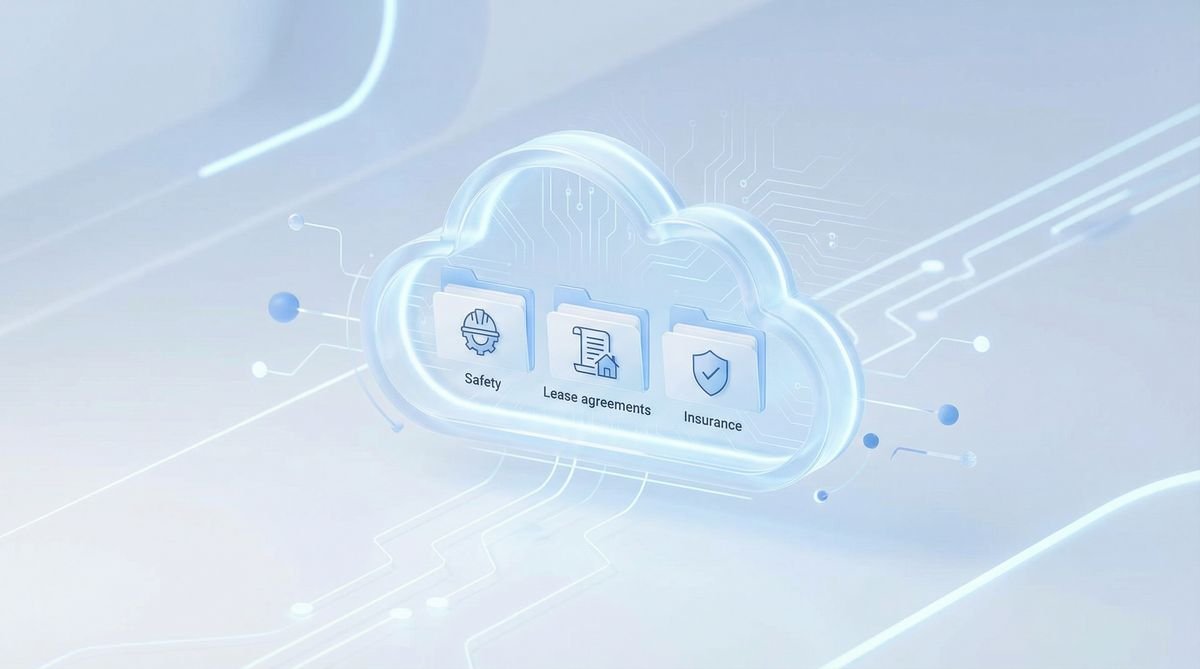
A centralized system ensures that critical documentation—such as safety inspections, lease agreements, and insurance policies—is stored securely and updated systematically. Automated alerts can notify management teams of upcoming inspection deadlines or expiring vendor insurances, preventing costly regulatory fines or legal liabilities. By maintaining strict, portfolio-wide standards for property safety and legal compliance, investors protect their assets and their reputation from preventable operational failures.
Frequently Asked Questions
What are the primary benefits of centralized property management?
The primary benefits include significant cost savings through economies of scale, real-time data visibility across all assets, standardized tenant experiences that boost retention, and streamlined compliance and risk management. Centralization allows investors to focus on strategic growth rather than day-to-day operational troubleshooting.
How does centralized management reduce costs in a real estate portfolio?
It reduces costs by eliminating redundant administrative roles, enabling bulk purchasing for maintenance supplies and services, and optimizing vendor contracts. Additionally, automated systems reduce manual errors and improve the efficiency of rent collection and financial reporting, directly lowering overhead across the entire portfolio.
Is centralized management suitable for diverse asset types?
Yes, modern centralized management systems are highly adaptable and can integrate various asset types—including multifamily residential, commercial office spaces, and retail properties—into a single operational framework. This flexibility allows investors to diversify their portfolios while maintaining uniform management standards and performance benchmarks.
Conclusion: Future-Proofing Your Real Estate Investments
The transition to a centralized management model is a strategic imperative for investors managing large real estate portfolios. The benefits extend far beyond simple administrative convenience; centralization fundamentally transforms how properties perform financially and operationally. From unlocking powerful economies of scale and driving NOI growth to standardizing the tenant experience and mitigating regulatory risks, a unified approach provides a distinct competitive advantage.
As the real estate market continues to evolve and become increasingly data-driven, relying on fragmented management systems is no longer viable. By embracing centralized operations and the technology that supports them, property investors can future-proof their assets, ensure sustainable growth, and maximize the long-term value of their portfolios.