Return grilles should let indoor air move back to heating and cooling equipment without constant whistling, rushing, or humming throughout the home. When these sounds become noticeable in bedrooms, hallways, living room, or other occupied areas, the problem may involve restricted airflow, grille sizing, duct design, filter resistance, or blower operation. Simply covering the grille or closing nearby doors can make the condition worse by reducing available return airflow. An HVAC company can evaluate how air moves through the entire return system, identify where excessive velocity or restriction begins, and recommend corrections that support quieter, more balanced operation.
Finding the Source of Return Noise
Undersized Return Grilles Can Increase Air Velocity
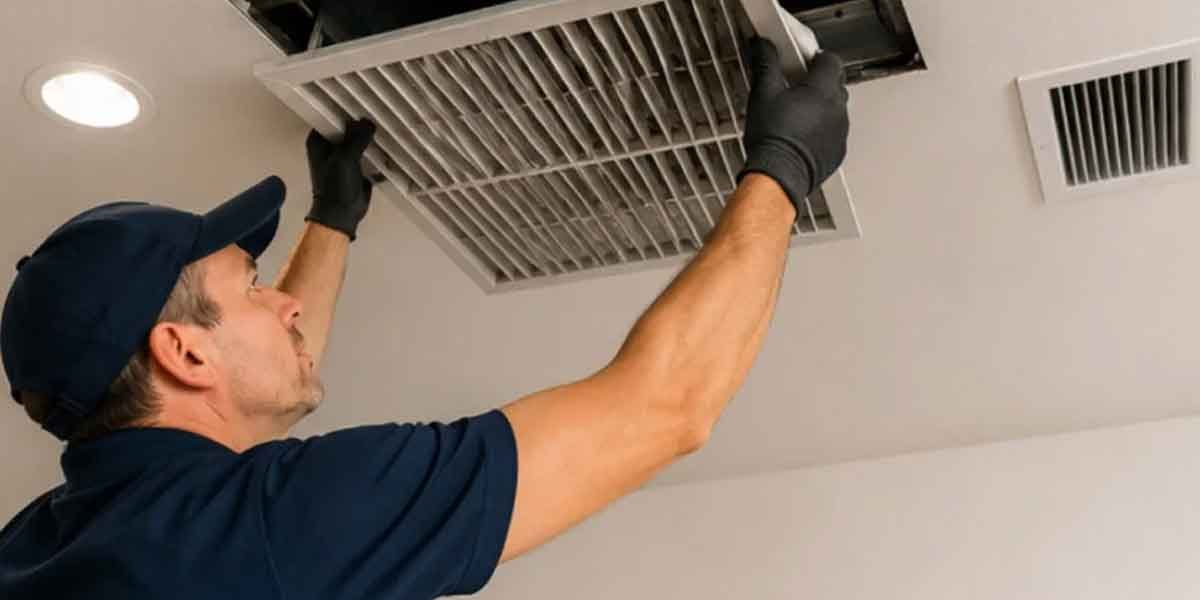
A return grille can become noisy when too much air is pulled through an opening that is too small for the system’s required airflow. Higher air velocity can create rushing, whistling, or vibrating sounds that get louder as the blower reaches full operating speed. Homeowners working with Sensigreen Heating, Cooling & Insulation can have the grille dimensions, duct connection, filter arrangement, and required airflow considered together rather than assuming the grille itself is the only problem. An HVAC company can compare airflow demand with available return area to determine whether the opening creates unnecessary restriction. In some homes, changing grille dimensions or improving the return path can reduce velocity without affecting comfort. This evaluation matters because installing a different decorative grille without addressing limited duct capacity may offer little improvement. The entire path from the room to the blower should support the amount of air the system needs to move during heating and cooling cycles.
Filter Resistance Can Make Return Noise More Noticeable
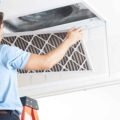
The air filter often sits directly in or near the return side of the HVAC system, so its condition can affect noise at nearby grilles. A heavily loaded filter increases resistance as the blower pulls air through accumulated dust and debris. Even a clean filter can create excessive restriction if its design does not match the equipment and available return area. An HVAC company can inspect filter condition, size, fit, and placement while measuring how the system responds during operation. This helps determine whether noise increases because the filter is restricting airflow or whether another part of the return system is responsible. Replacing filters without considering airflow requirements can leave the original noise unchanged. Return air should have a clear path through the grille, ductwork, and filtration area before reaching the equipment. Reducing unnecessary resistance lets air move at more manageable velocities, potentially lowering sound while supporting steadier blower performance and more consistent circulation through occupied rooms.
Return Duct Shape Can Create Turbulent Air Movement
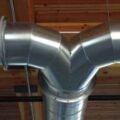
Noise can also develop after air passes through the grille. Sharp duct turns, narrow transitions, loose connections, or abrupt changes in duct size can create turbulence that travels back toward the room as a rushing or rumbling sound. Because the grille is the visible part of the return system, homeowners may assume the noise starts there, even when the real source is farther inside the ductwork. An HVAC company can inspect accessible return ducts and evaluate whether airflow is being forced through restrictive fittings or poorly arranged transitions. Correcting the issue may involve improving a connection, adjusting duct dimensions, sealing loose sections, or changing how air enters the return trunk. The appropriate response depends on the system layout and available space. Looking beyond the grille helps avoid cosmetic changes that fail to address the underlying airflow behavior. A quieter return system depends on smooth movement throughout the entire pathway, not simply on installing a grille that appears larger or has a different pattern.
Blower Settings Can Affect Sound Across Multiple Grilles
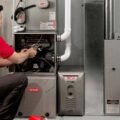
When several return grilles become noisy at the same time, you may want to check blower operation. The blower must move enough air to support heating and cooling, but airflow that doesn’t match the duct system can create excessive velocity and noise at return openings. An HVAC company can evaluate blower settings together with equipment requirements, supply airflow, return capacity, and temperature performance. Reducing airflow without proper evaluation is not a reliable solution because insufficient circulation can create other operating problems. Instead, the goal is to determine whether the blower, duct network, and return openings are working together as intended. If airflow settings are appropriate, widespread noise may point toward insufficient return capacity or restrictions elsewhere. If settings are incorrect, adjustment may improve sound while maintaining system performance. Examining the full relationship helps homeowners understand why return noise appears throughout the house, rather than focusing on one grille at a time and repeatedly making changes that don’t address the larger airflow pattern.
Creating Quieter Return Airflow Throughout the Home
An HVAC company matters when return grilles create excessive air noise because the sound can originate from several connected parts of the system. Grille size, filter resistance, duct configuration, return capacity, and blower operation can all influence how loudly air moves through the home. Identifying the source requires looking beyond the visible grille and evaluating the entire return pathway. Proper corrections can reduce unnecessary airflow velocity and turbulence while preserving the circulation needed for heating and cooling. When the return system matches equipment operation, homeowners can enjoy quieter rooms, smoother airflow, and more consistent comfort during everyday use.