

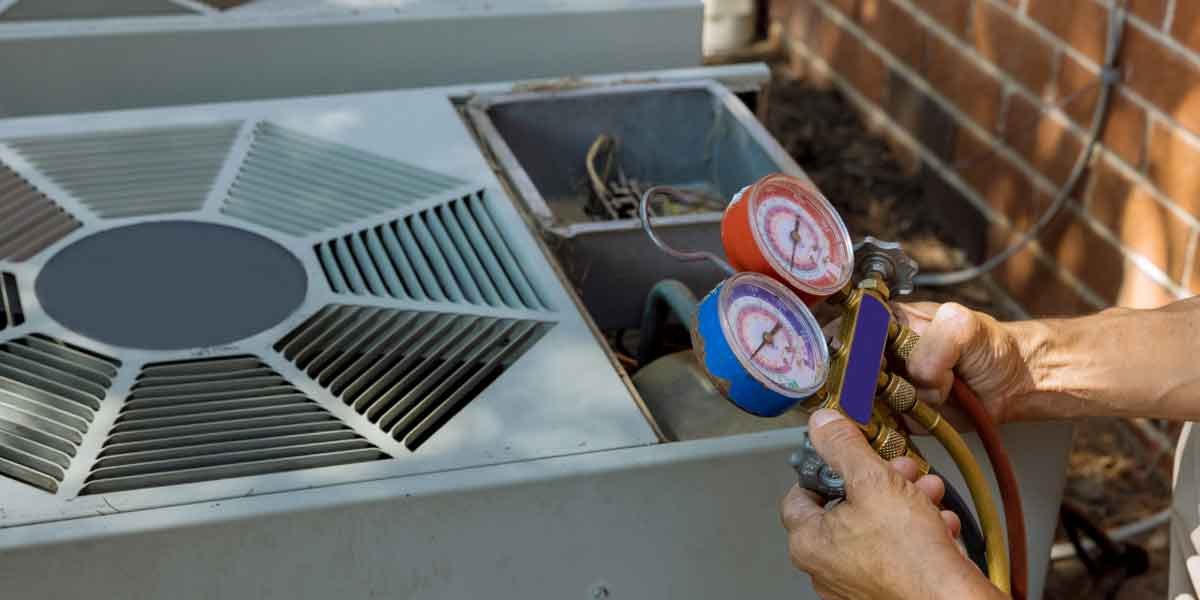
When a central air conditioner starts and stops in quick bursts, comfort slips and equipment stress climbs. This pattern, called short cycling, wastes energy, lets indoor humidity creep up, and adds wear to parts like the compressor, contactor, and capacitor. Short cycling is not a diagnosis but a symptom. It can result from airflow problems, a control issue, a clogged condensate drain, an incorrect refrigerant charge, or even an improperly sized system. The good news is that you can spot the pattern quickly and rule out a few simple causes without tools. This guide explains what short cycling looks like, what typically triggers it, and which homeowner checks are safe before you call a technician.
How to Recognize Short Cycling Versus Normal Operation
An AC should run long enough to move heat out of the house, lower the indoor temperature a couple of degrees, and wring moisture from the air. Short cycling shows up as the outdoor unit and indoor blower starting, running briefly, then shutting off, only to repeat a few minutes later. Air may feel cool at the vents initially, then turn lukewarm as the system stops. Indoor humidity can rise even while the thermostat hits the setpoint. In a small ranch home with an oversized condenser, for example, the thermostat might satisfy quickly, but rooms feel clammy as the compressor cycles on and off repeatedly; in that case, a licensed HVAC pro, such as those at Legacy Home Services, can verify capacity and control settings.
Distinguish this from staged or variable-speed systems, which are designed to run longer at lower capacity. Those units often hum along steadily at a low fan speed for extended periods and will not repeatedly click on and off. To check, step outside and watch the condenser fan. Frequent starts and stops, followed by silence and another quick start, point to short cycling. Indoors, listen for the air handler blower to stop within a few minutes and then restart before the rooms have stabilized.
Mechanical and Control Issues That Commonly Cause Short Cycling
Restricted airflow is a leading trigger. A clogged return filter raises static pressure, starving the evaporator coil of air. That coil can get so cold that frost forms, further choking airflow and prompting rapid on-off cycling as the system overheats or the low-pressure switch trips. Closing several supply registers or blocking returns with furniture creates the same problem. Incorrect blower speed selection on the control board can also result in airflow that is too low for the installed tonnage, again encouraging icing and short cycling.
Refrigerant-side and safety controls matter, too. A low refrigerant charge from a leak can cause the low-pressure switch to open and shut down the compressor, only for it to restart shortly after. A dirty condenser coil restricts heat rejection outdoors, raising head pressure until a high-pressure switch opens and the system shuts down. A thermostat mounted in direct sunlight, near a supply register, or above an oven can misread the room, leading to frequent cycling. Finally, a clogged condensate drain can lift a float switch that cuts compressor power to prevent overflow, causing rapid stops while the blower sometimes continues running.
Safe 15-minute Checks You Can Do Before Calling a Technician
Start with the filter. Pull it from the return grille or cabinet and read its size and MERV rating. If it is visibly loaded with dust, replace it. Very high MERV filters capture fine particles but add resistance; if your system is marginal on duct size, a medium MERV filter may restore airflow and longer, steadier runtimes. Reinstall with the airflow arrow pointing toward the blower. Walk the house, clear supply registers and return grilles, and keep at least a few inches of open space. Avoid the common mistake of closing multiple vents to force air elsewhere, which often backfires by raising static pressure.
Next, verify simple controls. Set the thermostat fan to Auto, not On, so the blower does not mask short cycling by running continuously. If your thermostat offers a cycles-per-hour or minimum on-time setting, choose a moderate value to avoid rapid starts. Make sure lamps, TVs, and space heaters are not warming the thermostat. Inspect the indoor unit and refrigerant lines: if you see frost on the suction line’s insulation or the evaporator access panel feels icy, turn cooling Off and set the fan to On for 30 to 60 minutes to defrost before further testing. Outdoors, keep at least 18 inches of clearance around the condenser, gently remove leaves, and rinse the coil from the inside out with a garden hose after shutting off power at the disconnect. Avoid pressure washers, which bend fins and reduce heat transfer.
When to Stop Troubleshooting and Call a Professional
Some situations signal a deeper issue that requires instruments and training. Repeated breaker trips, a burnt odor from the air handler, oily residue around service valves, or loud compressor chatter all call for a pro. A float switch that keeps cutting out despite a cleared drain suggests microbial growth inside the drain pan or a sagging line with a hidden clog. If the system short-cycles after you have replaced a dirty filter and cleared the condenser, the cause may be a sticking contactor, a failing capacitor, or an incorrect blower-speed tap, which cannot be resolved safely without testing.
Technicians use measurements to find the exact cause rather than guessing. They check the total external static pressure with a manometer to confirm duct and filter performance. They calculate superheat and subcooling using temperature probes and gauges to verify the refrigerant charge and metering device performance. They test the high-pressure and low-pressure switches, evaluate blower RPM, and confirm thermostat wire connections and staging logic. Duct leakage tests or smoke pencils can reveal returns pulling in hot attic air, which confuses controls and shortens cycles.
Preventing Short Cycling From Returning
Routine care helps systems run longer and steadier. Swap filters on a schedule that matches your home’s dust load and pets. Keep shrubs pruned around the condenser, and periodically flush the condensate line with a mild vinegar solution to discourage algae growth. If your thermostat sits in the sun or near a supply register, relocate it to an interior wall with free airflow. During annual service, ask the technician to clean the evaporator and condenser coils, check the static pressure, and confirm that the blower settings match the installed tonnage and ductwork.
Design choices matter, too. If your home was matched with an oversized condenser, it will satisfy the thermostat quickly but remove less humidity, making short cycling harder to tame. A Manual J load calculation can guide correct sizing at replacement. Two-stage or variable-speed equipment often runs longer at lower output, which improves dehumidification and reduces on-off stress, though it costs more upfront. Filter selection presents a trade-off as well: higher MERV ratings trap finer particles but increase pressure drop; pairing a higher-efficiency filter with adequate return duct area can balance air quality and stable run times. Finally, consider thermostat setbacks thoughtfully. Deep daytime setbacks in humid climates can lead to long recovery periods and moisture spikes, encouraging frequent cycling when you return.
Short cycling is frustrating, but it is also a useful clue. With a few simple checks, you can rule out basic airflow and control issues and provide a technician with better information if service is needed. Addressing the root cause protects the compressor, improves humidity control, and steadies your electric use. Whether the fix involves clearing a clogged drain, cleaning a matted condenser coil, correcting blower speed, or planning for right-sized equipment, a methodical approach keeps your AC running longer and more comfortably through the hottest months.
You Might Also Like...
 Why Air Conditioner Compressor Not Working? The Usual Causes, Safe Checks, and the Signs It Is Time to Stop Troubleshooting
 Why Is My Furnace Blowing Cold Air Instead of Heat?
 AC Short Cycling: Early Clues, Real Causes, and What to Do Next
 Why Is My Wall Air Conditioner Leaking Water? The Fix Starts With Drainage
