

Hot, smoky afternoons can arrive quickly in Gresham, stressing air conditioners that operated comfortably through mild spring days. When an AC begins to struggle, a few targeted checks can often reveal whether the issue is at the thermostat, the blower motor and evaporator coil inside the air handler, or the condenser fan and compressor outdoors. Paying attention to airflow at supply registers, the condition of your air filter, and the condensate drain can keep a small refrigerant or electrical problem from becoming a breakdown during a heat wave. The sooner you connect symptoms with likely causes, the easier it becomes to prevent evaporator coil icing, repeated breaker trips, or water damage from an overflowing drain pan.
Early Symptoms That Point to a Repair Issue
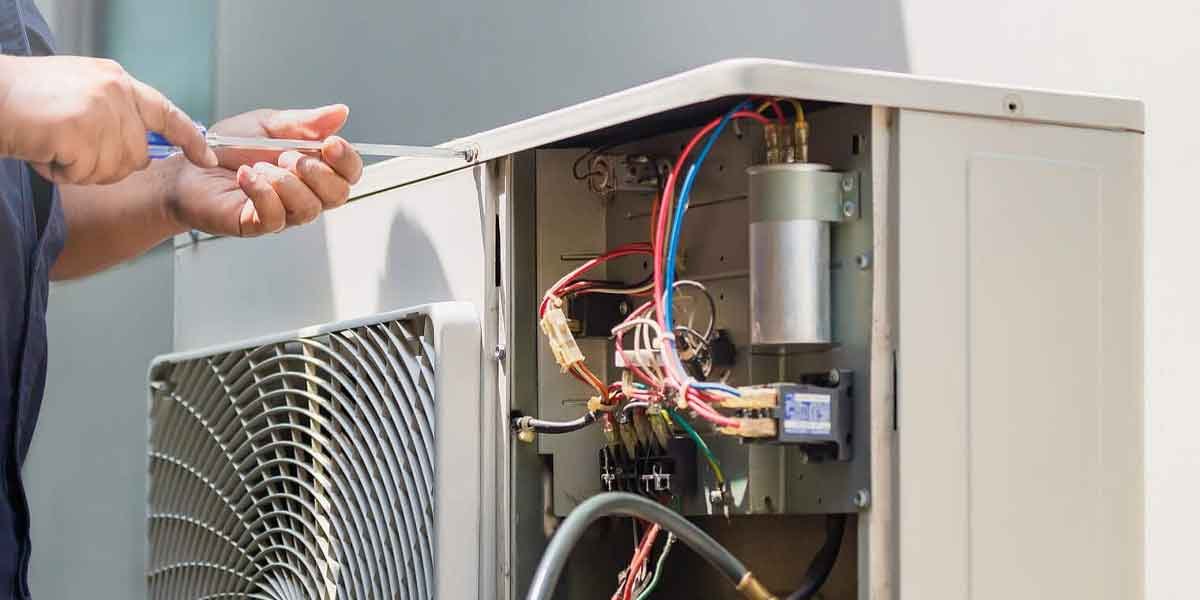
Homeowners researching Air Conditioning Repair in Gresham, OR often start with symptoms such as warm supply air and repeated short cycling, both of which can indicate problems with the compressor circuit or airflow across the evaporator coil. Low airflow at several registers may suggest a clogged filter or a failing blower motor, while weak airflow in only one room may point to a crushed duct run or closed damper. If the outdoor condenser operates but the indoor fan does not, the problem may involve the thermostat fan setting, blower control board, or a seized motor. A breaker that trips as soon as the condenser starts may indicate a weak start capacitor or a locked compressor.
Other warning signs tend to leave visible or audible clues. Frost forming on the suction line near the air handler often begins when the evaporator coil receives too little airflow because of a dirty filter or low refrigerant charge. Water around the furnace cabinet or closet frequently traces back to a clogged condensate line or overflowing secondary drain pan. Buzzing or rapid clicking at the condenser may point to a failing contactor or capacitor, while grinding or a sharp squealing sound indoors can indicate worn blower bearings. Musty odors and sticky indoor air may suggest the system isn’t removing enough humidity because the coil is iced or the fan speed is too high for current conditions.
What Those Symptoms Usually Mean Inside the System
When an AC delivers lukewarm air and runs constantly, a dirty condenser coil may be responsible. Dust and cottonwood fluff packed into the fins prevent the condenser fan from rejecting heat efficiently, raising head pressure and reducing cooling capacity at the evaporator. Icing on the indoor coil often results from restricted airflow caused by a dirty filter or closed supply registers, although it can also indicate low suction pressure from a refrigerant leak. Clicking during startup may mean the contactor is pitted and no longer passing voltage properly, while a humming condenser fan that does not spin can indicate that the dual run capacitor has drifted outside its proper operating range.
Water around the air handler is rarely random. As the evaporator coil removes moisture from the air, that water should travel through a trap and drain line. Algae growth, construction debris, or sagging drain tubing can block this path. Many systems include a float switch that shuts cooling off when the drain pan fills, so a unit that runs the fan without producing cooling may actually be protecting itself from water damage. Uneven temperatures between rooms can result from duct leakage in a hot attic, a disconnected branch, or a return grille blocked by furniture. Thermostats mounted near kitchen heat or a sunny window can cause short cycling, while an overheated ECM blower motor may stop and restart intermittently, creating inconsistent airflow.
Safe Checks You Can Do Before Calling a Technician
Start with the simplest items. Replace a dirty filter with a clean one in the MERV 8 to MERV 11 range unless your system was specifically designed for filtration with a higher MERV rating. This helps protect the evaporator coil without adding unnecessary static pressure. Confirm that the thermostat is set to Cool and Auto, replace its batteries if needed, and verify that the breakers for the indoor air handler and outdoor condenser are on. Outside, clear at least two feet of vegetation around the condenser and gently rinse debris from the coil fins with a garden hose, working from the inside outward if safe access is available. Do not use a pressure washer on the fins or spray water into the electrical compartment.
If you see ice on the refrigerant lines, turn cooling off and set the fan to On so the evaporator coil can thaw before further testing. A wet-dry vacuum can sometimes be used at the exterior condensate drain outlet to clear a simple blockage and restore drainage. Open all supply and return registers to improve airflow and reduce the chance of the coil freezing again. Check for a burned-wiring odor near the air handler, and listen for irregular noises when the condenser starts. Be cautious when changing filtration. Filters with a higher MERV rating can capture more particles during wildfire smoke events, but they also increase airflow resistance and may reduce blower airflow on systems that were not designed for them. That trade-off can contribute to icing and poor cooling.
When Waiting Risks Damage
Some conditions call for shutting the system down rather than continuing to troubleshoot. A breaker that repeatedly trips when the compressor starts can allow wiring, motor windings, or contactor components to overheat if you keep resetting it. Running an AC with a heavily iced evaporator can also damage the compressor if liquid refrigerant returns through the suction line. Loud metallic grinding from the indoor blower or a burning smell near the air handler should end the diagnostic process. Turn the system off and have the equipment inspected rather than risking additional mechanical or electrical damage.
Consider two realistic scenarios. After a smoky week, a homeowner notices water staining below an air handler on the second floor. The condensate line is clogged with algae and debris, and the overflow pan has begun to spill. Turning the system off and clearing the drainage problem can prevent soaked insulation and damaged drywall. In another home, the condenser begins starting and stopping every minute during a 95 degree afternoon while producing a sharp buzzing sound. Continuing to operate the equipment could place additional stress on the compressor. Turning the thermostat off and scheduling service lets a technician safely test the capacitor, contactor, and compressor before a small issue becomes a major failure.
Prevention for Gresham’s Climate
Seasonal maintenance can reduce surprise failures. Scheduling service in spring gives a technician time to verify superheat and subcooling readings, inspect the capacitor and contactor, tighten electrical connections, and clean the condenser coil before the first major heat event. After cottonwood season, gently rinsing the coil fins helps maintain proper heat rejection and keeps head pressure under control. During wildfire smoke events, you may need to replace filters more often. Some homes may benefit from using a MERV 11 filter at the air handler while relying on a separate room air purifier for additional particle removal, helping preserve airflow across the evaporator coil.
Keep the condensate trap clear and flush the drain line periodically during the cooling season. Maintain open airflow by trimming shrubs around the condenser and keeping interior return grilles unobstructed. Watch for gradual changes, such as longer cooling cycles, weaker airflow, unusual startup noises, or rising indoor humidity. These subtle changes often appear before complete system failure and give you a chance to address the cause while the equipment is still running.
A methodical approach helps you connect symptoms with possible causes, protect the compressor and blower, and decide when it is safer to turn the system off and call for service. In Gresham, rapid shifts from mild mornings to hot, smoky afternoons can expose weaknesses in refrigerant circuits, coils, airflow, and electrical controls. By monitoring airflow at registers, checking the condensate system, and keeping the outdoor coil clean, you can catch many problems before they become emergencies. If warning signs point to electrical trouble, refrigerant loss, repeated icing, or mechanical damage, shut the system down and arrange a proper evaluation to prevent a minor issue from becoming a costly midseason replacement.
You Might Also Like...
 Why Air Conditioner Compressor Not Working? The Usual Causes, Safe Checks, and the Signs It Is Time to Stop Troubleshooting
 Why Is My Wall Air Conditioner Leaking Water? The Fix Starts With Drainage
 Mini Split Systems Maintenance Tips
 AC Repair Process: What a Technician Does to Get Your System Running
