Uneven rooms, noisy vents, and rising energy bills are often blamed on the thermostat or the equipment, but the real story usually lives in the ductwork. Airflow moves only as easily as the path allows, and small design choices in trunks, branches, returns, and filters can add up to big differences you feel in every room. Understanding how static pressure, duct sizing, materials, and sealing interact gives homeowners a practical way to improve comfort without guesswork. Here is a focused look at the critical airflow decisions that separate a pleasant, quiet home from one that is always a few degrees off.
Static Pressure: The Hidden Number That Governs Airflow
Every blower pushes against resistance, known as static pressure, created by your ducts, filter, coil, grilles, and dampers. When that resistance climbs, delivered airflow drops, rooms starve, and vents hiss. It is why contractors such as Quality Sheet Metal Inc. Heating and Air often begin by checking static pressure before recommending changes. If the blower is working against a tight filter rack, an undersized return plenum, or kinks in flex duct, the system may never reach the target cubic feet per minute to condition your space evenly.
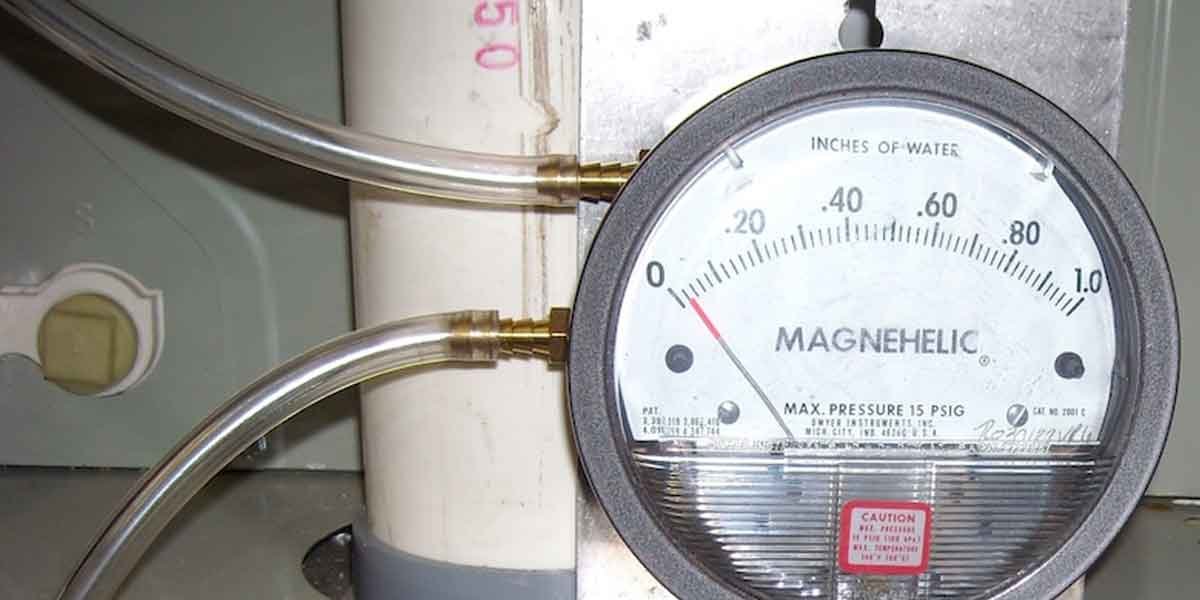
Measuring total external static pressure is straightforward with a manometer and two small test ports in the supply and return plenums. A reading that exceeds the blower’s rating indicates restrictions that must be identified and corrected. In one home, for example, a high reading traced back to a crushed flex section above a hallway; in another, a restrictive media filter jammed into a too-small cabinet was the culprit. In both cases, relieving the restriction immediately lowered resistance and increased room airflow.
Duct Size and Layout: Trunks, Branches, and Returns That Breathe
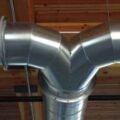
Ducts should be sized to carry the required airflow at a reasonable velocity and friction loss. Long branch runs, multiple sharp elbows, and bullhead tees pile on friction losses and starve distant rooms. Replacing a hard 90-degree elbow with a long-radius fitting, or substituting a smooth wye for a tee at a trunk takeoff, reduces turbulence, allowing more air to reach the end register. Equally important, returns must be generous. A single undersized return can choke an entire system even if the supply trunk is perfect.
Consider a bonus room above a garage that never cools. It might be fed by a small branch teeing off the end of a trunk after two elbows, then reduced again before the register. Upgrading that run to a larger diameter, using a wye instead of a tee, and adding a dedicated return path can transform the space. In older homes, adding jump ducts or transfer grilles helps relieve room-to-room door pressure, allowing air supplied to closed rooms to return to the air handler.
Materials and Sealing: Metal vs. Flex, Mastic vs. Tape
A round metal duct has a smooth interior and maintains its diameter through turns, which keeps friction lower. Flexible duct can work well in tight spaces, but only if it is pulled taut, supported correctly, and protected from kinks and compression. A 10-foot flex run that sags onto joists can behave like a much smaller duct. Where flex meets metal, use proper collars and takeoffs to prevent collapsed transitions that quietly rob airflow.
Sealing matters as much as sizing. Ordinary cloth duct tape dries out and fails in attics and crawl spaces. Water-based mastic and UL 181-rated foil tape create durable seals at joints, boots, and takeoffs. Leakage on the return side can draw in dusty attic air; on the supply side, it can dump conditioned air into a wall cavity. Either way, you lose capacity and pay more. A well-sealed trunk and branch system maintains the designed pressure and allows the blower to do useful work rather than fighting lost air.
Filtration, Grilles, and Noise: Managing Air at the Registers
High-MERV filters capture finer particles, but they also add resistance. The trade-off is real: better filtration versus airflow. One way to have both is to increase the filter surface area with a deeper media cabinet or multiple returns, so that face velocity drops and static pressure stays manageable. Likewise, undersized return grilles restrict air and can whistle; upsizing grilles or adding another return often quiets a system while improving comfort.
On the supply side, small registers that shoot air at high speed can sound harsh and create drafts. Selecting larger diffusers, adjusting supply boot takeoffs, and opening or slightly closing balancing dampers in branch lines can fine-tune room delivery. A common mistake is fully closing supply registers to force more air elsewhere. That raises static pressure, makes the blower work harder, and can increase noise at the remaining open vents. Use balancing dampers in the duct run instead of slamming a register shut.
Commissioning and Upkeep: Testing, Balancing, and Filters Over Time
After any duct changes, a quick commissioning pass locks in the gains. Check total external static pressure, verify blower settings, and confirm airflow in key rooms with a flow hood or anemometer, plus register free-area calculations. If the system uses an ECM blower, set the target airflow to match the equipment’s capacity. For older multi-tap blowers, move to the appropriate motor tap for cooling or heating to hit the airflow target without driving noise.
Maintenance keeps the system where you set it. Replace filters on a regular schedule before they load up and cause a spike in static pressure. Keep the evaporator coil and blower wheel clean to keep the airflow unobstructed. Revisit balancing dampers seasonally if sun exposure or occupancy patterns change. Planning an equipment replacement is a smart time to request a Manual J load calculation and a Manual D duct design review, so the new air handler is paired with ducts that can actually deliver its rated airflow. That pairing is what turns a nameplate into day-to-day comfort.