An HVAC system can appear to operate normally while losing conditioned air through gaps, loose connections, damaged seams, or poorly sealed duct sections. These leaks may remain hidden inside attics, crawl spaces, wall cavities, or utility areas where homeowners cannot easily see them. As air escapes, rooms may receive less heating or cooling, and the equipment may run longer to maintain thermostat settings. Duct leakage testing gives an HVAC company a way to measure losses instead of relying only on visible inspection. The results can reveal whether hidden duct problems are contributing to uneven comfort, unnecessary operating time, and reduced system performance.
Measuring Hidden Losses Through Duct Testing
Testing Creates Measurable Evidence of Air Leakage
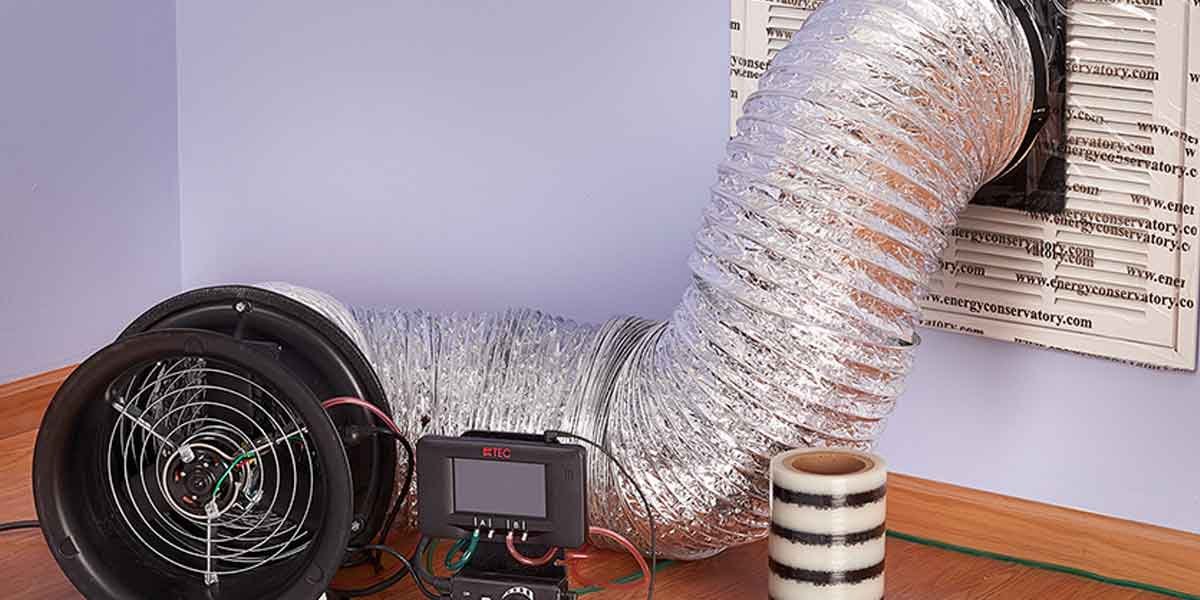
Duct leakage testing helps determine how much air escapes from or enters the duct system when it should remain contained. Technicians can temporarily seal registers and use testing equipment to pressurize or depressurize the ducts, creating conditions that make leakage measurable. Homeowners working with Barker Air Conditioning and Heating of Vero Beach can use this evaluation to determine whether hidden duct losses contribute to longer heating or cooling cycles. Instead of assuming poor comfort comes from the equipment itself, testing provides information about the distribution network that carries conditioned air through the home. A system may produce the correct temperature at the air handler while still delivering less useful heating or cooling to distant rooms because air escapes along the way. Measuring leakage provides a clearer starting point for deciding whether sealing, connection repairs, insulation improvements, or additional duct inspection are appropriate to restore more efficient delivery throughout the home.
Pressure Differences Can Reveal Problems Beyond Visible Seams
Not every duct leak is easy to see. Sections may run through attic insulation, enclosed chases, crawl spaces, or finished areas where visual inspection has limited value. Pressure-based testing helps identify whether the system is losing a meaningful amount of air even when the exact opening is not immediately visible. An HVAC company can compare test readings with system size and duct configuration to determine whether leakage appears minor or substantial. Further investigation can then focus on likely problem areas such as disconnected joints, damaged flexible duct, loose boots, plenums, or transitions. This matters because small gaps spread across several sections can create a larger combined loss than one obvious opening. Pressure testing also helps distinguish duct leakage from other causes of weak airflow, including dirty filters, restrictive grilles, or blower concerns. By separating these possibilities, the company can direct repair efforts toward the part of the system that is actually allowing conditioned air to escape or unwanted air to enter during operation.
Supply Leaks Can Waste Conditioned Air Outside Living Areas
Supply ducts carry heated or cooled air from the equipment toward rooms, so leakage on this side can directly reduce how much conditioned air reaches occupied spaces. A loose connection in an attic may release cooled air into a hot area during summer, while a damaged basement branch can lose heated air before it reaches an upstairs register in winter. The thermostat may respond by keeping the system operating longer because the living area warms or cools more slowly than expected. Duct leakage testing can help show whether supply losses are significant enough to affect overall performance. Once testing indicates a problem, technicians can inspect accessible connections and decide where to prioritize sealing or repairs. Addressing these losses can improve delivery without immediately changing equipment capacity. The goal is to keep more of the air already being conditioned in the intended pathway so it reaches rooms instead of disappearing into spaces that don’t need heating or cooling.
Return Leaks Can Pull Unwanted Air Into the System
Return ducts create another type of hidden efficiency loss because leaks can pull air from attics, crawl spaces, garages, or other unconditioned areas into the HVAC system. That unwanted air may be hotter, colder, dustier, or more humid than indoor air, increasing the amount of work required before it can be supplied back to living spaces. A return leak near the air handler can also change airflow patterns and make room comfort less consistent even when supply ducts appear intact. Duct leakage testing lets an HVAC company evaluate the return side separately when needed and determine whether outside air is entering through weak connections. This information can be valuable in homes where energy use has increased without an obvious equipment fault. Sealing return leakage helps the system recirculate more indoor air as intended. It can also reduce the influence of attic or crawl space conditions on comfort, filtration, humidity, and operating time throughout the heating and cooling season.
Testing Helps Guide More Targeted Duct Repairs
One important advantage of duct leakage testing is that it creates a measurable starting point before repair work begins. Without testing, homeowners may spend time sealing visible joints while larger hidden leaks remain elsewhere. Initial readings can show whether the duct system has a meaningful leakage problem, while additional inspection helps narrow down the areas most likely responsible. After sealing or repairs, testing can sometimes be repeated to see whether leakage has decreased. This provides a clearer way to evaluate the work’s effect instead of judging success only by whether a room feels different immediately. An HVAC company can also use the findings alongside airflow measurements, temperature readings, and equipment operation to understand how duct condition fits into the larger system. When repairs are guided by evidence, homeowners are less likely to make unnecessary changes to equipment that may already be producing adequate heating or cooling but losing performance through the distribution system before conditioned air reaches its destination.
Restoring More Efficient Air Delivery
An HVAC company uses duct leakage testing to uncover losses that may remain invisible during ordinary system operation. By measuring pressure and airflow behavior, technicians can determine whether supply ducts are losing conditioned air or return ducts are drawing unwanted air into the system. These findings help separate duct problems from blower, filter, equipment, or grille issues and guide targeted repairs. Sealing damaged connections and reducing leakage can help more conditioned air reach occupied rooms while limiting unnecessary system operation. When the duct network contains and delivers air more effectively, the entire heating and cooling system has a stronger foundation for consistent performance.