If your air conditioner or furnace seems to run constantly yet certain rooms remain stuffy, chilly, or damp, the problem often lies beyond the box in the attic or basement. Comfort depends on more than a thermostat setting and equipment size. Airflow through supply registers and return grilles, pressure inside ductwork, and how the system cycles all shape room temperatures and humidity. This guide explains practical ways to recognize when airflow and distribution are the real culprits, how professionals diagnose issues with targeted measurements, and which corrections actually improve comfort. You will learn when a filter change is enough, when ducts need attention, and when controls or equipment staging matter most.
1. Early signs that your HVAC distribution is missing the mark
Hot second-floor bedrooms in summer, a cool basement that feels clammy at 74 degrees, or a whistling return grille that gets louder when doors close point to airflow and duct issues rather than a weak compressor. Short-cycling, where cooling shuts off after a few minutes, can leave relative humidity high even as the thermostat is satisfied. On heating, a furnace that blasts hot air and then cools quickly may indicate oversized capacity or restricted return air. Watch for a small temperature drop across the coil on cooling or an excessive rise across the furnace, uneven supply register velocities you can feel by hand, and rooms that change quickly when doors are cracked open.
2. What commonly causes hot and cold rooms
Most comfort complaints trace to airflow bottlenecks and misapplied components. A high-MERV 1-inch filter can be overly restrictive for many residential blowers, raising external static pressure and starving supply branches. Leaky or undersized return ducts force the blower to pull air through cracks, increasing noise and reducing delivered CFM to distant rooms. Closed or covered supply registers spike pressure, which can freeze an evaporator coil during cooling or trip a furnace on high limit during heating. Oversized equipment cools the air fast but does not run long enough to remove moisture, leaving bedrooms muggy even with plenty of tonnage. For a thorough evaluation that considers filter depth, duct leakage, and blower settings together, a licensed contractor such as Airmax Heating & Cooling can test the system rather than guessing based on symptoms alone.
3. How professionals pinpoint the problem: measurements that matter
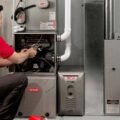
Accurate diagnosis starts with data. Technicians measure external static pressure with a manometer at the return and supply plenums, comparing inches of water column to the blower’s rated maximum on the nameplate. They record temperature split across the evaporator coil in cooling and temperature rise across the heat exchanger in heating to reveal airflow and capacity issues. Airflow can be estimated from the pressure drop across the filter and coil using manufacturer tables or by conducting a duct traverse with an anemometer to measure CFM through a trunk. A room-by-room Manual J load calculation checks whether ducts serving large south-facing windows or a finished attic have adequate supply CFM. Refrigerant superheat or subcooling readings rule out charge problems before ducts are blamed, and blower tap or ECM speed settings are verified against calculated airflow needs.
4. Fixes, from low-cost checks to duct upgrades
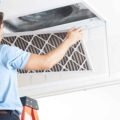
Start with the simple items that restore airflow. Replace clogged filters and consider moving from a restrictive 1-inch high-MERV filter to a deeper 4-inch media cabinet that achieves similar filtration at lower pressure drop. Clear furniture away from return grilles, fully open stuck balancing dampers near the plenum, and confirm that supply registers are not blocked by rugs. If pressure remains high, sealing accessible ducts with mastic, adding a dedicated return to a closed-off bedroom, or increasing return grille free area can meaningfully lower static pressure and quiet the system. Adjusting an ECM blower to a higher airflow profile can help, but only after the pressure is reduced, so that noise and energy use do not spike.
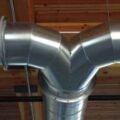
Some homes benefit from control or equipment changes that improve run time and distribution. Zoning with motorized dampers can balance a two-story layout, but only when a proper bypass strategy or static pressure control is in place. Two-stage or variable-speed systems run longer at lower capacity, improving moisture removal and reducing temperature swings, yet they still depend on adequately sized and sealed ducts to deliver comfort to the last branch. The trade-off is cost and complexity: upgrading equipment without addressing a crushed return or leaky trunk usually disappoints, while modest duct corrections can let an existing single-stage unit perform far better. A common mistake is closing supply registers to “push” more air elsewhere; this often raises pressure enough to cause coil icing or furnace limit trips, creating new problems.
5. Seasonal details that change the diagnosis
Summer and winter expose different weak points. In cooling, short run times and high indoor humidity suggest oversizing or low airflow across the coil; expect a steady target temperature split rather than one that bounces. In heating, rooms far from the air handler often need higher supply CFM, additional returns, or door undercuts to return air to the hallway. Heat pumps introduce nuances such as defrost cycles and auxiliary heat staging; improper lockout settings can cause temperatures to overshoot and dry the air more than expected. Smart thermostats help when set up correctly, but some require a C-wire and can mismanage the number of cycles per hour on older furnaces. Use a circulate-fan setting cautiously, since a continuous fan can pull air from unconditioned spaces if returns leak in attics or basements.
Persistent hot and cold rooms rarely mean your HVAC is incapable; they usually indicate that airflow, ducts, or controls are out of balance with the home. Ask for documented readings, such as external static pressure, temperature rise or split, and estimated CFM, before agreeing to major changes. Address filter selection, return paths, and duct sealing first, then fine-tune blower speeds or staging. If a replacement is considered, match the capacity to a new Manual J and confirm that the ducts can handle the required airflow. Measured steps in this order give the best chance of the next cooling cycle finally feeling even, dry, and quiet in every room.