

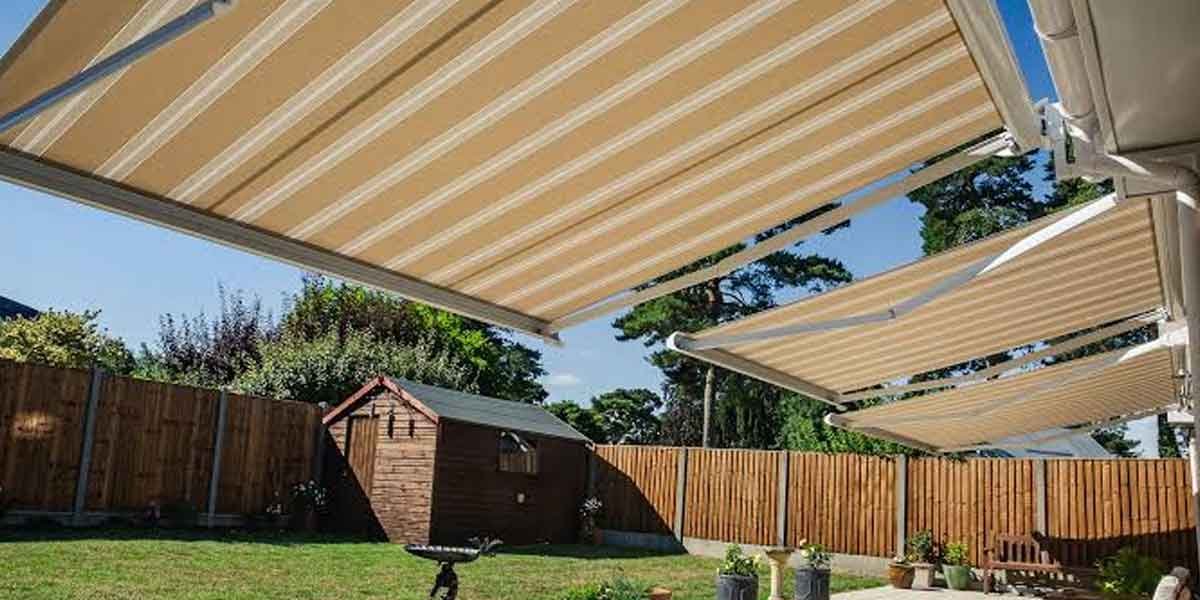
In Southampton, patios and balconies see bright coastal light, shifting breezes off the Solent, and occasional squalls. A retractable cassette awning can provide reliable shade for bi-fold doors or a small terrace, but the results depend on the details of the planning. Orientation, projection, pitch angle, and mounting height work together. Fabric and frame choices need to handle salt air. Fixings must be suitable for brickwork, lintels, or eaves. Controls such as wind sensors can protect the mechanism. This guide focuses on the practical relationships that shape a durable, comfortable setup so you can use your outside space more often without fighting glare or gusts.
1. Map sun angles and wind exposure on your patio
Start by watching how light moves across your space in the late afternoon, when the low western sun often bypasses eaves and shines under shallow shade. West-facing gardens in Shirley or Fremantle may need a deeper projection and a drop valance to cut glare at eye level. In south-facing courtyards, a modest projection can block midday solar gain on the glazing, while a steeper pitch angle improves shade near the threshold and helps with rainwater runoff during showers.
Prevailing southwesterlies can push the leading edge of an awning upward if the arms are near their limit, so note any wind tunneling between buildings. For additional local context and examples related to the city, resources on awnings in Southampton can help you compare approaches before you measure. A simple sketch marking wind direction, door swing, gutter lines, and where you sit at 5 p.m. will clarify what your awning must actually block.
2. Choose projection, pitch, and mounting height together
Projection, pitch, and height are linked. A larger projection throws shade farther but increases leverage on the arms, so it typically needs a higher mount to maintain head clearance at the front rail. Plan for door and bi-fold clearance with the fabric extended and angled. Many installers aim for a noticeable pitch so rain sheds from the valance rather than pooling in the canopy. If you must fit under a shallow eave, verify that the soffit brackets allow the required pitch without the front bar striking a balustrade or an outdoor light.
A common mistake is fixing an awning into render or weak mortar rather than solid brick or structural timber, which can loosen under load. When wall conditions demand it, spreader plates or chemical anchors can distribute forces across sound masonry. If a steel lintel spans above a wide patio door, confirm its depth before drilling and consider roof-rafter or fascia mounts only when the assembly can be tied back to the structure rather than just the cladding.
3. Match fabric and frame to coastal conditions
Solution-dyed acrylic fabrics resist UV fade and remain breathable, which helps in humid sea air, while PVC-coated polyester offers better water resistance but can trap moisture if retained wet. In neighborhoods near Weston Shore or Ocean Village, salt spray and gull droppings make a full cassette valuable because it seals the roller and arms when closed. Lighter canvas tones reflect heat on glass; darker shades tame glare on polished paving. A straight or scalloped valance along the front rail adds low-angle shade without increasing projection.
Hardware matters at the coast. Look for powder-coated aluminum arms with stainless steel fasteners and a robust square torsion bar that resists twisting. Compact cassettes suit narrow terraces, whereas heavier frames support longer projections on exposed patios. If you are shading a first-floor balcony with a glass balustrade, a slim full cassette with tight side seals will keep fabric cleaner and reduce rattling in crosswinds that funnel along the facade.
4. Build in control and safety for gusty weather
Manual crank operation is simple and avoids wiring, but it requires someone to be home when gusts arrive. Motorized units paired with a wind sensor can auto-retract if the leading rail starts to shake, reducing strain on arm springs and elbow joints. A sun sensor can extend the canopy when midday glare returns, useful for protecting wood floors behind large sliders. The trade-off is cost and reliance on power, though many motors include a manual override for outages.
Awnings are primarily sunshades. If you expect light showers, maintain a clear pitch so water runs off the fabric and over the drip edge rather than pooling in the middle. Retract during heavy rain to protect the seams and roller tube. Avoid snow loading altogether. Whatever control you choose, make the operation obvious to family and guests with a labeled wall switch or an accessible crank hook to prevent someone from forcing the arms while the gearbox is engaged.
5. Installation checkpoints and simple aftercare
A good survey confirms more than width and projection. Note downpipe locations, outside sockets, and any alarm cables in the drilling zone. Check brick condition and lintel placement above wide door sets. Measure the distance from the proposed bracket line to the gutter to ensure the cassette clears the rainwater goods when pitched for runoff. If the awning is motorized, agree on cable routing, fused spur placement, and whether the controls will be a wall switch, a remote, or a smart hub.
After installation, brush off debris with a soft broom and rinse salt from the cassette and front rail during dry spells, especially in summer near the waterfront. Let the canopy dry fully before retracting to deter mildew on acrylic- or PVC-coated fabric. Inspect arm cables and mounting bolts at the start of the season, and keep lubricants away from the fabric to avoid staining. If you notice the leading rail dipping unevenly or the fabric scalloping, pause use and arrange an alignment check before wind magnifies the issue.
Southampton’s combination of bright light, shifting breezes, and compact outdoor spaces rewards careful awning planning. By mapping sun angles, selecting a projection that can be mounted at the correct height and pitch, choosing corrosion-resistant hardware and UV-stable fabric, and adding wind-aware controls, you will get shade that feels natural rather than forced. A short site survey and a few maintenance habits go a long way toward smooth operation season after season, so you can enjoy the patio when the forecast changes without rushing to move chairs or close curtains.
You Might Also Like...
 Does Home Insurance Cover Roof Damage from Wind? What Is Covered and What Is Not
 6 Professional Garage Door Repair Companies Covering Houston
 Sliding Doors Repair: Fix Stuck Rollers, Misaligned Tracks, and Broken Locks
 Types of Entry Doors: Steel, Wood, Fiberglass, and Glass — Which One Is Right for Your Home
