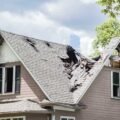
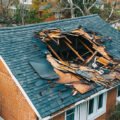
Yes, a standard homeowners insurance policy covers roof damage caused by wind — but only if the damage is sudden, accidental, and the direct result of a specific wind event. A windstorm that tears shingles off the roof during a March nor’easter is covered. Shingles that have been lifting for five years and finally blow off during a routine 30 mph gust are not. The difference between covered and denied is whether the adjuster can tie the damage to a single storm rather than to deferred maintenance or normal aging.
Wind is a named peril in virtually every HO-3 homeowners insurance policy, which is the policy form that covers the majority of single-family homes in the United States. If the wind blows hard enough to damage the roof, the policy responds — but with deductibles, exclusions, and payment calculations that depend on the age of your roof, the type of coverage you purchased, and the state you live in.
What Wind Damage Is Covered by Home Insurance
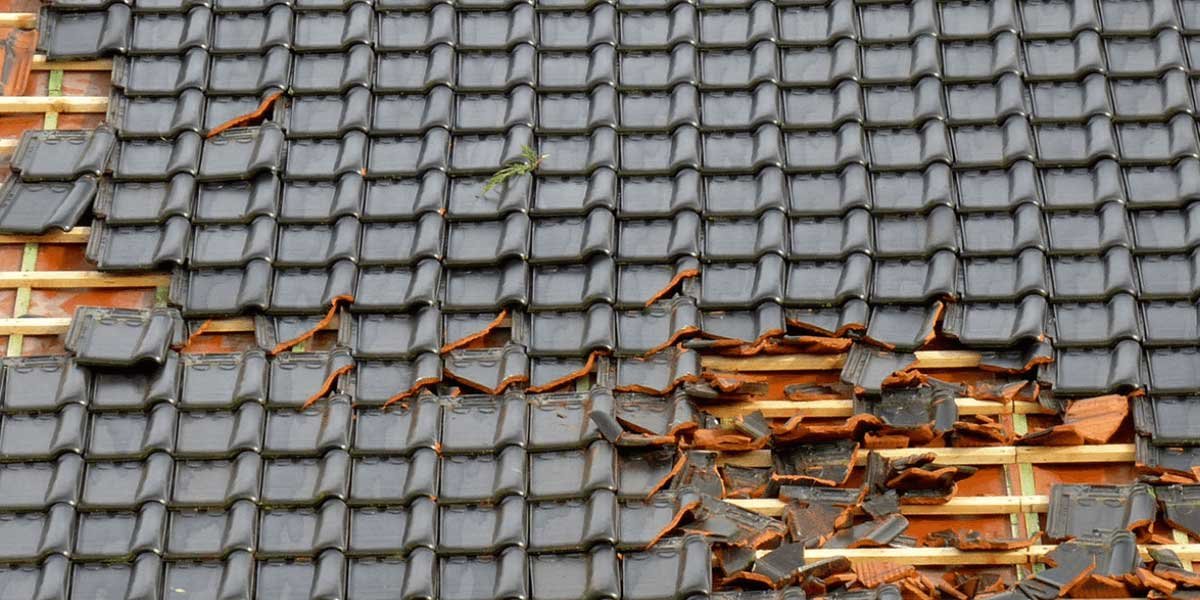
Insurance covers wind damage that is sudden and accidental — the kind that happens during an identifiable storm and leaves physical evidence on the roof. The specific types of damage that qualify include:
- Shingles torn completely off the roof. The most common covered wind claim. The adjuster confirms that shingles are missing and that the exposed underlayment or decking shows signs of recent, not long-term, exposure. If the underlayment is weathered and brittle, the adjuster will argue the shingles were already failing before the wind finished the job.
- Shingles creased or lifted but still attached. Wind can fold a shingle back over itself, cracking the mat and breaking the seal strip. The shingle does not need to be on the lawn to qualify as damaged — a creased shingle that no longer lies flat is functional damage because water can get under it.
- Wind-driven rain entering through storm-created openings. If the wind tears off shingles and rain enters through the resulting gap, the interior water damage (ceiling stains, wet insulation, damaged drywall) is covered as part of the wind claim. If water enters through an existing gap that predates the storm, the interior damage is excluded.
- Falling trees or limbs that puncture the roof. A tree limb that breaks off during a windstorm and punctures the roof deck is covered. The tree removal itself is usually covered up to a specified limit, typically $500 to $1,000, and only if the tree damaged a covered structure. A tree that falls in the yard without hitting anything is generally not covered for removal.
- Collateral wind damage to gutters, fascia, and soffits. Wind that damages the roof often damages the trim and gutter system at the same time. These are part of the same claim and are covered under the dwelling coverage.
What the adjuster looks for: A fresh break at the shingle crease (not weathered edges), shingle tabs scattered on the ground below the damaged area, and wind damage on the same roof face consistent with a single storm direction. Damage scattered randomly across all four roof faces in different directions suggests age-related failure, not a single wind event.
What Wind-Related Roof Damage Is NOT Covered
The exclusions are as important as the covered perils. Homeowners are denied wind claims every day not because the wind did not damage their roof, but because the adjuster determined that pre-existing conditions — not the wind — were the primary cause of the damage.
- Wear and tear, deterioration, and deferred maintenance. A 25-year-old roof with curling, brittle shingles that lose a few tabs in a windstorm will likely be denied. The adjuster will conclude that the roof was already failing due to age, and the wind simply accelerated the inevitable. Insurance covers sudden loss, not the predictable end of a roof’s service life.
- Gradual damage from chronic wind exposure. A roof in a windy location that slowly loses granules and seal strength over 15 years has wear and tear damage, not storm damage. The claim requires a specific storm event, not a general exposure history.
- Cosmetic damage to an undamaged roof surface. If the wind does not break the shingle mat or compromise the weather seal, the marks are cosmetic. Most policies exclude cosmetic damage. This is the same exclusion that applies to hail dents on metal roofs — if it does not leak and does not compromise the function, it is not covered.
- Damage from a named storm with a separate hurricane deductible. In 19 coastal states and Washington, D.C., homeowners policies carry a separate hurricane or named-storm deductible that is higher than the standard wind deductible — typically 1% to 5% of the dwelling coverage limit. A $300,000 policy with a 2% hurricane deductible means the homeowner pays the first $6,000 of hurricane wind damage out of pocket before insurance pays anything.
- Interior water damage from a leak that predated the storm. If the ceiling stain predates the wind event, the interior damage is excluded even if the wind made the leak worse. Adjusters check for concentric water rings in the stain — a ring pattern indicates multiple wetting events over time, not a single storm.
The most common denial reason, in one sentence: “The damage is the result of wear and tear and lack of maintenance, not a single sudden wind event.”
If your roof is over 15 years old and has never been inspected, the adjuster starts from the assumption that any damage is age-related. A clean inspection history and dated photographs of the roof in good condition before the storm are the strongest evidence you can provide to counter that assumption.
ACV vs. Replacement Cost: How Much the Insurance Actually Pays
The amount the insurance company pays for a wind-damaged roof depends on whether your policy covers the roof at actual cash value (ACV) or replacement cost value (RCV). The difference is depreciation, and it can cut the settlement by thousands of dollars.
| Coverage Type | What It Pays | Example: 15-Year-Old Roof, $12,000 Replacement |
|---|---|---|
| Replacement Cost Value (RCV) | Full cost to replace with a comparable new roof, minus deductible | $12,000 minus deductible (paid in two checks: ACV upfront, depreciation recoverable after work is done) |
| Actual Cash Value (ACV) | Replacement cost minus depreciation based on roof age | 15 years old / 25-year lifespan = 40% remaining = $4,800 payout minus deductible |
Many insurance companies have shifted older roofs to ACV coverage in recent years, particularly in hail-prone and hurricane-prone states. A policy that provided RCV coverage for the roof five years ago may have been renewed with an ACV endorsement that the homeowner did not notice. Check the declarations page of your policy for the phrase “roof surfacing — actual cash value” or “roof payment schedule.” If that language is present, your roof is covered at ACV, and the settlement will be reduced by the depreciated value of the existing roof.
RCV policies pay in two installments: the first check is the ACV amount (depreciated value), and the second check — the recoverable depreciation — is paid after the homeowner submits receipts proving the work was completed. If the homeowner does not complete the work, the recoverable depreciation is not paid.
Wind Deductibles: Flat vs. Percentage
The deductible on a wind claim can be a flat dollar amount or a percentage of the dwelling coverage limit, depending on where you live and whether the storm qualifies as a named hurricane.
| Deductible Type | How It Works | Example | Where Common |
|---|---|---|---|
| Flat Dollar (Standard) | Fixed dollar amount per claim, usually $1,000-$2,500 | $1,500 deductible on a $10,000 claim = $8,500 paid | All states |
| Wind/Hail Percentage | 1-2% of dwelling coverage for any wind or hail claim | $300,000 dwelling × 1% = $3,000 deductible | TX, OK, CO, KS, NE, Midwest |
| Hurricane (Named Storm) Percentage | 1-5% of dwelling coverage, applies only to named hurricanes | $300,000 dwelling × 2% = $6,000 deductible | FL, LA, TX coast, NC, SC, AL, MS, GA coast, NY, NJ, CT, RI, MA, VA, MD, DE, DC |
The hurricane deductible is triggered by a specific event definition — usually the National Hurricane Center naming a storm and the damage occurring within a defined time window and geographic area. The exact trigger varies by state and by policy. In Florida, for example, the hurricane deductible applies from the time a hurricane watch or warning is issued until 72 hours after the last watch or warning is lifted. A windstorm that is not named by the NHC is covered under the standard flat or percentage wind deductible, not the higher hurricane deductible.
Matching Laws: When the Insurance Company Must Replace the Whole Roof
If wind damages one roof face but the other three faces are undamaged, the insurance company would prefer to pay for replacing only the damaged face. In some states, that is not allowed — the insurer must pay to replace the entire roof if the replacement shingles on the damaged face would not match the existing shingles on the undamaged faces. This is called a matching law or a line-of-sight requirement.
States with strong matching protections include Colorado, Ohio, Minnesota, and Illinois, where regulators or court decisions require insurance companies to restore the roof to a uniform appearance. In states without matching laws — including Texas, Florida, and most of the Southeast — the insurer can pay to replace only the damaged roof face, even if the new shingles are a visibly different color or style from the old ones. The patchwork roof is the homeowner’s problem, not the insurance company’s.
The matching argument is strongest when the existing shingles are discontinued — meaning the manufacturer no longer produces that color or style. An adjuster cannot claim a match is possible when the shingles are no longer manufactured.
How to File a Wind Damage Roof Claim: Step by Step
- Document the damage before making temporary repairs. Photograph every damaged area from multiple angles, including close-ups of individual shingle creases and wide shots showing the entire roof face. Photograph the storm date on your phone screen to establish timing.
- Make emergency repairs to prevent further damage. Cover exposed areas with a tarp. Keep the receipts for the tarp and any materials — these are part of the claim. Do not make permanent repairs until the adjuster has inspected the damage, because the adjuster needs to see the original damage to approve the claim.
- Call your insurance company and file the claim. State that wind damaged your roof during a specific storm on a specific date. Provide the date, the type of damage you observed, and any photographs you have.
- Get a roofing contractor’s independent assessment. Before the adjuster arrives, have a local roofing contractor inspect the roof and provide a written estimate. The contractor should be present during the adjuster’s inspection to point out specific damage that an adjuster standing at the ridge line might miss.
- Meet the adjuster and walk the roof together with your contractor. Point out every creased shingle, every lifted tab, and every piece of collateral damage. The adjuster works for the insurance company and is trained to find reasons to reduce the settlement — the contractor is your advocate on the roof.
- Review the adjuster’s estimate before accepting it. Compare it line by line with your contractor’s estimate. If the adjuster’s estimate is lower, ask for a re-inspection or request that the adjuster and contractor reconcile the differences item by item. You are entitled to a second inspection if you disagree with the first adjuster’s findings.
FAQ: Common Questions About Wind Damage Insurance
Will insurance cover wind damage to a 20-year-old roof?
It depends on the policy and the roof’s condition before the storm. If the roof was well-maintained, recently inspected, and the damage is clearly from a specific wind event, the claim may be approved — but at actual cash value if the policy has an ACV roof endorsement, which is common for roofs over 15 years old. If the roof was already curling, losing granules, and showing signs of age, the claim will likely be denied as wear and tear regardless of the policy type.
Will filing a wind damage claim increase my premium?
Probably, but not as much as most homeowners fear. A single wind claim typically increases premiums by 5% to 15% at renewal. The insurer cannot single you out for a rate increase — the increase is applied to your rate class, not your individual policy. However, filing two or more claims within three to five years can trigger non-renewal regardless of the claim amounts. For this reason, do not file a claim for wind damage that costs less than your deductible plus $2,000. The short-term payout is not worth the long-term risk of losing coverage.
Should I hire a public adjuster for a wind damage claim?
For a straightforward claim where the adjuster and your contractor agree on the scope of damage, no. A public adjuster charges 10% to 15% of the final settlement, which reduces the amount available for actual roof repairs. Hire a public adjuster only if the insurance company denies a claim you believe is legitimate, or if the adjuster’s estimate is significantly lower than your contractor’s estimate and the two cannot be reconciled.
Wind Damage Is Covered — But Only If You Can Prove a Specific Storm Caused It
The single most important factor in a wind damage claim is whether the adjuster can tie the damage to one storm. A roof with fresh creases on one face, shingle tabs on the ground below that face, and collateral wind damage on that same side of the house will almost always be covered. A roof with scattered damage on all four faces, no collateral indicators, and evidence of long-term granule loss will almost always be denied.
Before the next windstorm, take dated photographs of your roof in good condition. After the storm, take photographs of the damage before you tarp anything. The difference between those two sets of photographs is the difference between a covered claim and a denied one — and it costs nothing but ten minutes of your time.