


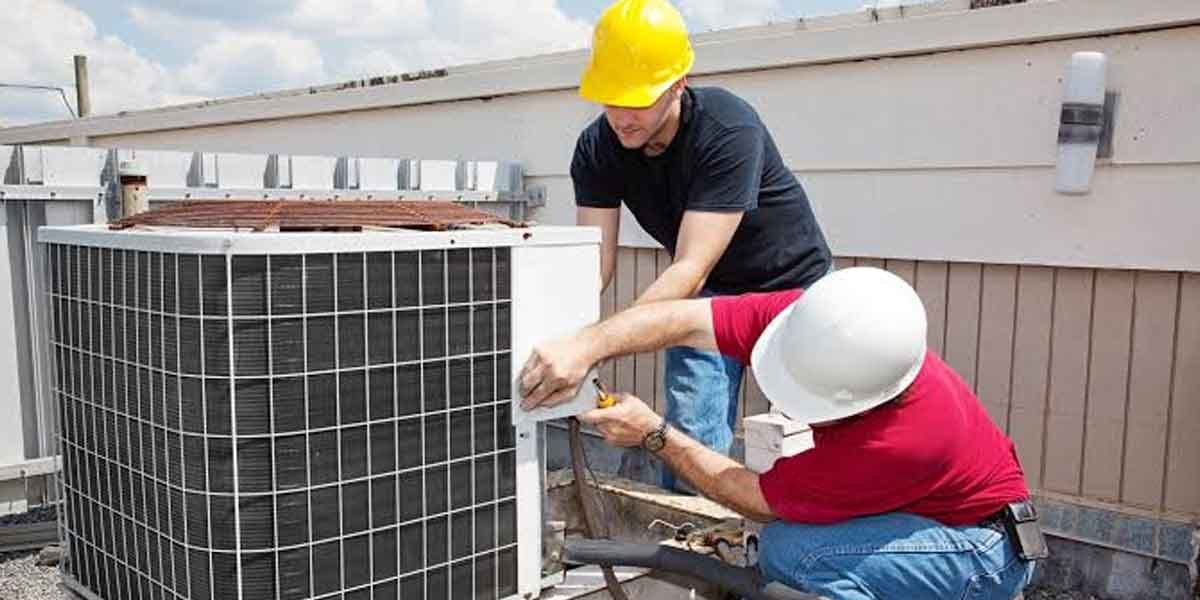
Whether you’re replacing an aging unit, troubleshooting uneven cooling, or planning an energy upgrade, choosing the right professional can make or break your project. Air conditioning systems are complex, and decisions you make up front affect comfort, utility bills, and reliability for years. Before you sign a proposal, it helps to understand how quality work is scoped, installed, and supported. The right questions reveal not only technical competence, but also how a contractor communicates, plans, and stands behind the job. Use the guidance below to compare options confidently and set clear expectations from day one.
Start with a simple goal: ensure your system is designed for your home, installed correctly, and supported after the check clears. As you evaluate companies, ask targeted questions about licensing, load calculations, ductwork, refrigerants, and commissioning. Before you select an Air conditioning contractor, it’s also wise to clarify timelines, cleanup standards, and what’s in and out of the quoted price. A little diligence up front can help you avoid hot rooms, surprise change orders, and premature breakdowns later.
1. When Professional Help Is Worth It
Air conditioning involves electrical work, refrigerant handling, precise air balancing, and safety considerations that go well beyond DIY. Even small decisions, like where to place the outdoor unit or how to route a condensate drain, affect performance and system life. A professional brings testing tools, training in local codes, and hands-on experience diagnosing hard-to-spot issues such as excessive static pressure or leaky return ducts. If your home has comfort complaints, high energy bills, or humidity problems, skilled diagnostics and design adjustments can be far more effective than simply upsizing equipment.
Professional installation also protects warranties and ensures permits are properly pulled and closed out. Many manufacturers require documented commissioning and a licensed installer for warranty eligibility. That paper trail matters if a major component fails down the road. Look for contractors who emphasize verification, measuring airflow, refrigerant charge, and electrical readings, rather than relying on rules of thumb.
2. Credentials That Protect Your Home
Licensing, insurance, and permits are the nonnegotiables. Ask for the contractor’s license number and confirm it’s active in your state or municipality. Verify that both general liability and workers’ compensation insurance are current. These protect you if an accident or property damage occurs during the job. Permits aren’t just bureaucracy. They trigger inspections that help ensure safe electrical work, correct refrigerant handling, and proper clearances for service and ventilation.
Training and brand certifications can signal ongoing education, but they’re not a substitute for good process. Ask how technicians stay current on code updates, new refrigerants, and testing methods. Request references from recent jobs similar to yours; older homes with tight attics, homes with extensive duct modifications, or heat pump conversions each present unique challenges. A professional who has solved problems like yours can explain what worked and what to watch for.
3. Right Sizing, Ductwork, and Airflow
Sizing equipment correctly is the foundation of comfort and efficiency. Ask whether the contractor performs a Manual J or equivalent load calculation. This assessment considers insulation, windows, orientation, air leakage, and local climate to determine how much cooling your home actually needs. Oversized systems short-cycle, struggle with humidity, and wear out faster. Undersized systems run constantly and still leave rooms warm. If you’re only offered a size based on square footage or the existing unit, push for a proper calculation.
Ductwork and airflow are just as important as the unit itself. Ask for a duct inspection to check for leaks, restrictive fittings, or undersized returns. In many homes, sealing and balancing the ducts provides a bigger comfort upgrade than a larger condenser would. Clarify how the contractor will measure static pressure and verify target airflow to each room. If modifications are needed, adding a return, resizing a trunk line, or improving attic insulation, get them priced and documented in the proposal so nothing is left to guesswork.
4. Efficiency, Refrigerants, and Indoor Air Options
Efficiency ratings such as SEER2 indicate potential energy performance under standardized tests, but your actual results depend on sizing, duct quality, and installation. Ask the contractor to compare a few efficiency tiers, including estimated operating costs and payback periods in your climate. For many households, mid- to high-efficiency equipment installed and commissioned well offers the best value. Premium models can be worth it if they include features you’ll use, such as variable speed compressors for tighter humidity control and quieter operation.
Refrigerants are changing due to environmental regulations, and different systems may use different blends. Ask which refrigerant the proposed equipment uses, how available it is, and what that means for long-term service. If you have concerns about allergies or indoor air quality, discuss add-ons such as media filters, UV lights, or dedicated dehumidification. The best time to integrate these upgrades is during installation, when access to ducts, returns, and electrical supply is straightforward.
5. Comparing Proposals, Spotting Red Flags, and Setting Expectations
Request detailed, line-item proposals so you can compare apples to apples. A clear scope should include equipment model numbers, capacity, efficiency ratings, duct modifications, thermostat type, condensate management, electrical upgrades, permits, and debris removal. Ask about commissioning steps: How will refrigerant charge be set? How will airflow be balanced? Will you receive documentation of test results? Clarify start and completion dates, daily work hours, whether your home will be without cooling, and what protections will be used to keep floors and furnishings clean.
Red flags include a reluctance to perform a load calculation, pressure to choose the largest unit, vague language about “as needed” ductwork, and unusually low bids that skip permits or testing. A well-run company explains change order procedures for unexpected issues behind walls or in attics, outlines labour and manufacturer warranties in plain language, and schedules a final walk-through to review system operation and maintenance basics. With the right questions and a transparent proposal, you can hire with confidence and enjoy steady, efficient comfort through the hottest months.
Good contractors welcome informed clients. By focusing on proper design, documented testing, clear scopes, and realistic schedules, you’ll not only get a quieter, more efficient system, but also fewer surprises after install day. Keep a written list of your concerns, hot rooms, humidity swings, or noise, and use it as a checklist during bids and the final walk-through. Investing a little time up front helps ensure the system serving your home for the next decade is the one you actually need and that it performs the way it should.
You Might Also Like...
 How Much Does It Cost to Replace Ductwork in Attic? (2026 Guide)
 Why Air Conditioner Compressor Not Working? The Usual Causes, Safe Checks, and the Signs It Is Time to Stop Troubleshooting
 Duct Cleaning Cost: Average Prices, What Is Included, and Is It Worth It
 Air Conditioning Installation: How Much Does a New AC Unit Cost Installed?
