We spend most of our time indoors, yet many homes trap dust, moisture, and pollutants that can irritate allergies, aggravate asthma, and leave rooms feeling stuffy. The good news: you don’t need a full system overhaul to breathe easier. By understanding how fresh air gets in, how particles are captured, and how moisture is managed, you can make targeted changes that improve comfort and reduce contaminants. This guide breaks down the three pillars of healthier indoor air: ventilation, filtration, and humidity control, along with practical maintenance tips and signs it’s time to call in a pro.
1. Why Indoor Air Quality Slips Indoors
Pollution isn’t just an outdoor concern. Everyday indoor sources include cooking fumes, shower steam, pet dander, cleaning products, building materials, and even the soil gases that can seep through a basement. Modern homes are often tightly sealed for energy efficiency, which helps with heating and cooling bills but can trap pollutants inside. When fresh air is limited and filters are neglected, particles build up, humidity drifts out of range, and rooms can develop persistent odors or visible dust.
Balanced indoor air quality starts with a simple formula: bring in enough fresh air, capture particles effectively, and keep humidity between roughly 30% and 50% year-round. If you’re unsure where to begin, a qualified HVAC technician can assess your home’s needs and recommend incremental improvements; licensed professionals such as Healthy Climate Inc can help homeowners align equipment, settings, and habits to support cleaner air without guesswork.
2. Ventilation: Let the Right Air In
Ventilation dilutes indoor pollutants by exchanging stale air with fresh outdoor air. Start with what you have: use kitchen range hoods that vent to the outside when cooking, and run bathroom exhaust fans during and after showers to clear moisture. If these fans are noisy or underpowered, upgrading to quiet, efficient models encourages regular use and keeps humidity and odors in check. In mild weather, opening windows strategically can help, though it may not be ideal during pollen spikes or poor outdoor air days.
For a more controlled approach, consider whole-home solutions that manage fresh air while minimizing energy loss. Heat recovery ventilators (HRVs) and energy recovery ventilators (ERVs) bring in outdoor air and pre-condition it using the outgoing air’s heat (and in the case of ERVs, some moisture). This keeps indoor temperatures steadier while continuously refreshing the air. If you adopt mechanical ventilation, coordinate it with your home’s filtration and humidity strategy so each system supports the others.
3. Filtration: Match the Filter to Your System
Filters capture airborne particles such as dust, dander, and pollen. Central HVAC systems use replaceable filters rated by MERV (Minimum Efficiency Reporting Value). Higher MERV numbers generally capture smaller particles, but not every system is designed to handle high-resistance filters. If airflow drops too much, efficiency and comfort suffer. Review your equipment manual or consult a technician before jumping to a very high MERV. Often, a quality MERV 8 to 13 filter changed on schedule provides a strong balance of capture and airflow for many homes.
Portable air purifiers complement central filtration in bedrooms or living spaces. Look for a true HEPA unit sized for the room’s square footage and keep doors ajar to improve circulation. Place purifiers away from walls and obstructions to maximize intake and exhaust. Regardless of your setup, set calendar reminders to replace or clean filters as directed; neglected filters become clogged, forcing the system to work harder and releasing less clean air overall.
4. Humidity Control: Aim for 30 to 50%
Too much moisture invites mold growth and dust mites; too little dries out skin and sinuses and can make airborne particles more irritating. In summer, use a dedicated dehumidifier in damp areas like basements to keep relative humidity closer to 50%. Make sure downspouts direct water away from the foundation, and seal noticeable cracks that allow damp air inside. Use bathroom and kitchen exhaust fans to quickly remove steam and odors before they spread through the home.
In winter, indoor air often becomes overly dry. A whole-home humidifier integrated with your ductwork or a properly sized portable unit can help, but don’t overshoot; a steady 30 to 40% is usually comfortable in colder months and less prone to window condensation. If you notice persistent condensation on windows or musty smells in closets, it’s a sign to adjust humidity targets, boost ventilation, or investigate hidden moisture sources.
5. Maintenance Habits That Pay Off
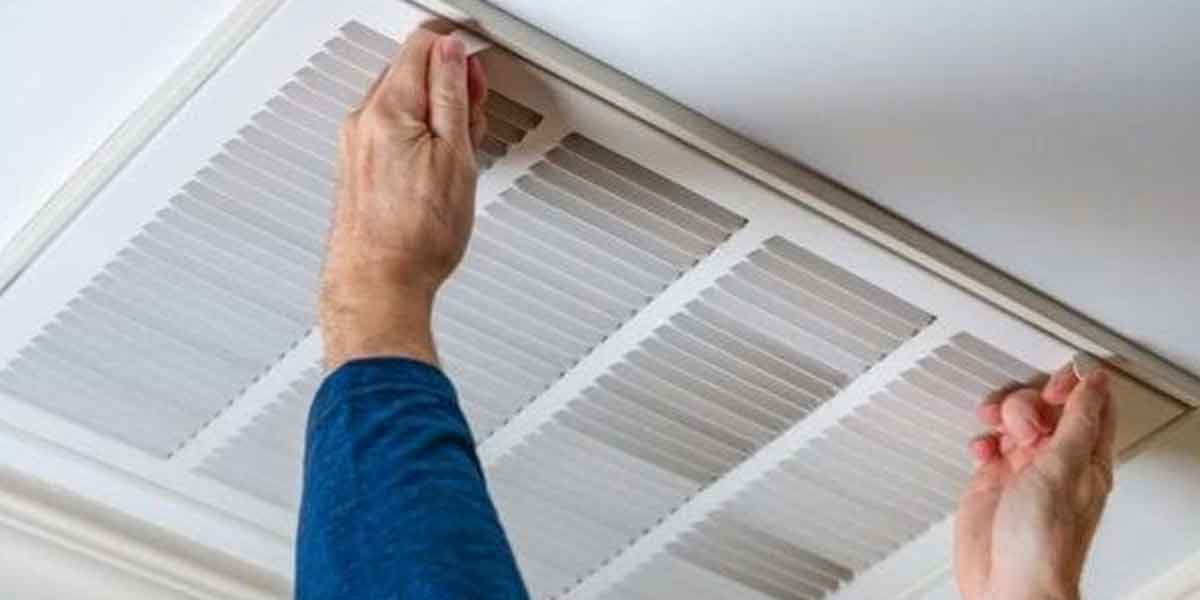
Small, consistent habits keep air clearer and systems running efficiently. Change HVAC filters regularly; monthly checks are a good routine, especially during heavy heating or cooling seasons. Vacuum supply and return registers, and keep furniture and drapes from blocking vents. Clean range hood filters, wipe bathroom fan grilles, and ensure exterior vents are free of lint, nests, or debris. If anyone in the home has asthma or allergies, laundering bedding weekly in hot water and using mattress and pillow protectors can reduce dust mite exposure.
Safety overlaps with air quality too. Install carbon monoxide alarms on every level if you use fuel-burning appliances, and schedule regular inspections for furnaces, boilers, and water heaters. If you suspect a backdrafting issue, where combustion gases flow into living spaces instead of up the flue, pause use and call a qualified professional. When it comes to ducts, cleaning is most useful when there’s visible debris, pest activity, or after major renovations that produced lots of dust; otherwise, focus on sealing leaks and maintaining filtration for day-to-day gains.
When to Bring in a Professional
Some issues point to deeper problems that benefit from expert testing and upgrades. Consider calling a pro if you experience persistent musty odors, frequent condensation on windows, stubborn humidity swings, unusual dust accumulation soon after cleaning, or recurring respiratory irritation. A home performance assessment may include airflow measurements, duct leakage testing, and a review of ventilation rates. The outcome often reveals simple fixes, like sealing return leaks or adjusting fan speeds, or suggests targeted improvements such as adding balanced ventilation or upgrading filtration to a level your system can comfortably handle.
Healthy indoor air is a set of habits supported by the right equipment. Start with ventilation you’ll actually use, fit filtration to your system’s capabilities, and keep humidity in a steady range. Then, reinforce those gains with simple maintenance and timely inspections. Even a few well-chosen changes can make your home feel fresher, reduce irritants, and support everyday comfort through every season.