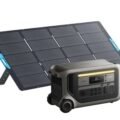
Portable solar panels can be a smart camping upgrade for people who want quiet, renewable power without carrying extra fuel. They let campers charge phones, lights, power stations, GPS units, cameras, and small appliances by using available sunlight at the campsite. For many outdoor setups, they are worth it because they reduce dependence on campground hookups and help keep essential gear running on longer trips.
They are not a replacement for every generator or every power need, but they work well for low-to-moderate electricity use. The real value comes from matching the panel to your trip length, device needs, and storage capacity. Understanding how portable solar panels work and what features matter makes it much easier to decide whether they fit your camping style.
How Portable Solar Panels Work During Camping Trips
Converting Sunlight Into Usable Outdoor Power
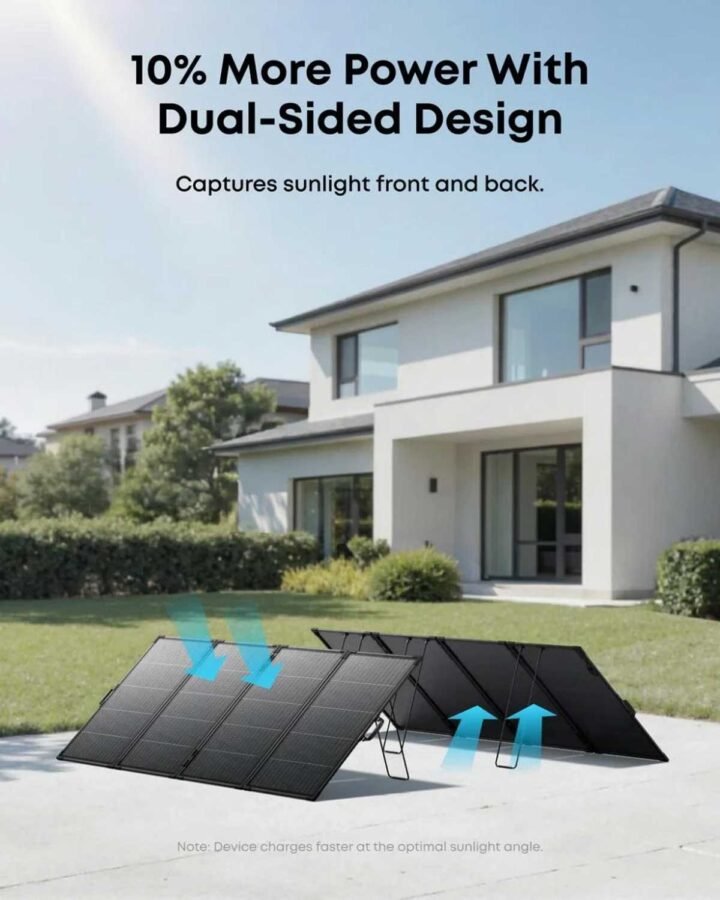
Portable solar panels collect sunlight through photovoltaic cells and turn it into direct current electricity. During camping trips, that power can flow straight to compatible devices or, more commonly, into a battery or portable power station for later use. This stored energy is especially useful after sunset, during cloudy periods, or when devices need stable output. Panel performance depends on sunlight intensity, angle, shade, temperature, and positioning, so campers get the best results by placing panels in full sun and adjusting them throughout the day. Many portable models also include built-in connectors, kickstands, and protective folding designs that make setup easier at campsites, trailheads, RV stops, and temporary base camps in changing outdoor conditions.
Charging Devices, Batteries, and Camping Equipment
For camping, portable solar panels are most useful when they recharge a battery pack or power station that then powers everyday gear. This setup supports phones, tablets, lanterns, headlamps, cameras, fans, satellite communicators, and small camping electronics more reliably than plugging devices directly into a panel. It also helps protect charging consistency when sunlight changes. Campers using electric coolers, CPAP machines, air pumps, or laptops need to calculate watt-hours carefully, because larger loads drain stored energy faster than many first-time buyers expect. Solar panels work best as part of a simple power system: collect energy during daylight, store it efficiently, and use it later when needed. That approach provides steadier, more practical campsite power.
Choosing the Right Portable Solar Panels for Outdoor Use
Size, Power Output, and Portability for Campers
The right portable solar panel for camping should match both your power demand and how you travel. Smaller panels are easier to pack for tent camping, day use, and quick weekend trips, while higher-wattage panels make more sense for longer stays, vehicle-based camping, and running several devices through a power station. Weight, folded size, and carry design matter just as much as watt output if you move camp often. A compact folding panel may be far more useful than a larger model that is awkward to transport or deploy. Before buying, estimate your daily energy use, battery capacity, and available sun exposure. That gives you a much clearer answer than shopping by advertised wattage alone.
Features That Improve Camping Solar Performance
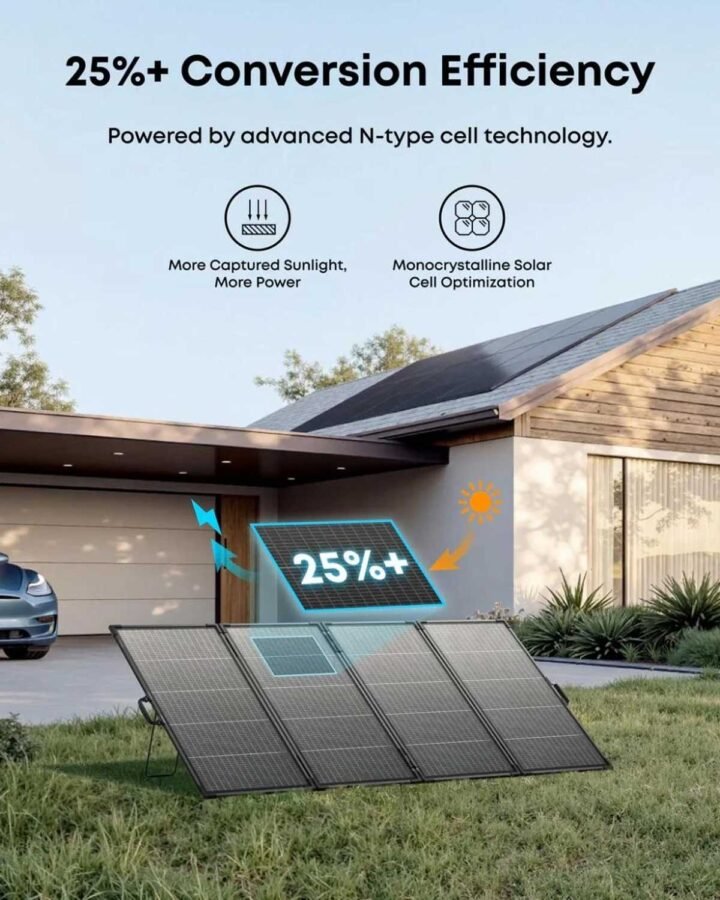
Useful camping-focused features include adjustable kickstands, durable outer materials, weather-resistant construction, reinforced corners, and connectors that work smoothly with your battery or power station. A built-in charge controller can be important in some setups, especially when charging certain battery types directly, while compatible ports and cables reduce hassle at camp. High conversion efficiency helps maximize limited daylight, and longer cable runs can let you place the panel in sun while keeping stored power in the shade. Easy-to-read indicators also help confirm charging status without guesswork. Practical design matters because campsite conditions change constantly. A portable panel that sets up quickly, handles light outdoor exposure, and packs down securely is usually the better long-term choice for regular campers.
When Portable Solar Panels Make the Most Sense for Camping
Short Trips, Remote Adventures, and Emergency Backup
Portable solar panels make the most sense for campers who want dependable charging without noise, fumes, or a fixed electrical hookup. They are especially useful on weekend trips where keeping phones, lights, and navigation tools charged adds convenience without much extra gear. They become even more valuable on remote camping trips, overlanding routes, and dispersed sites where access to grid power is unavailable for days. In those situations, daily solar charging can extend battery life and reduce the need to cut a trip short. They also serve well as emergency backup equipment for bad weather, vehicle issues, or power interruptions at camp. For essential electronics, that added layer of energy security can be genuinely worthwhile outdoors.
Building a More Flexible Outdoor Power Setup
Portable solar panels are often most effective when they are part of a broader camping power plan rather than the only source of energy. Pairing a panel with a properly sized battery or portable power station creates a more flexible setup that can handle daytime charging and nighttime use with less stress. This approach also lets campers scale their system over time as their gear list changes. A casual camper may start with enough capacity for lights and phones, while a frequent traveler may build toward powering work devices or comfort items. That flexibility is a major reason portable solar panels are worth considering. They support cleaner, quieter camping while giving users more control over how and where they use electricity.
Conclusion
Portable solar panels are worth it for camping when your goal is quiet, reusable power for essential devices and small equipment. They work best for campers who understand their energy needs, have realistic expectations, and pair solar collection with adequate battery storage. If you mostly need to charge phones, lights, cameras, or navigation gear, a portable panel can be a practical and convenient addition to your setup. If you plan to run larger appliances, you will need more panel capacity and more stored power to make the system effective. The key is choosing a panel that fits your trip style, packing space, and daily usage. For many campers, that balance makes portable solar panels a useful tool rather than an unnecessary extra piece of gear.