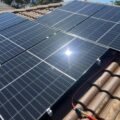
A solar generator works for home backup by collecting sunlight through solar panels, storing that energy in a battery, and converting it into usable household electricity with an inverter. Unlike gas generators, it produces power without fuel combustion, loud engine noise, or exhaust fumes, which makes it useful for indoor-safe backup and everyday energy support. During a blackout, a properly sized solar generator can keep critical devices running, such as lights, routers, phones, medical equipment, refrigerators, or small appliances. Its performance depends on four main parts working together: solar input, battery capacity, inverter output, and power management. Understanding how these components interact makes it easier to choose a system that matches your home’s backup priorities and daily power needs.
How a Solar Generator Converts Solar Energy Into Power
Solar Panels Capture and Convert Sunlight Into Electricity
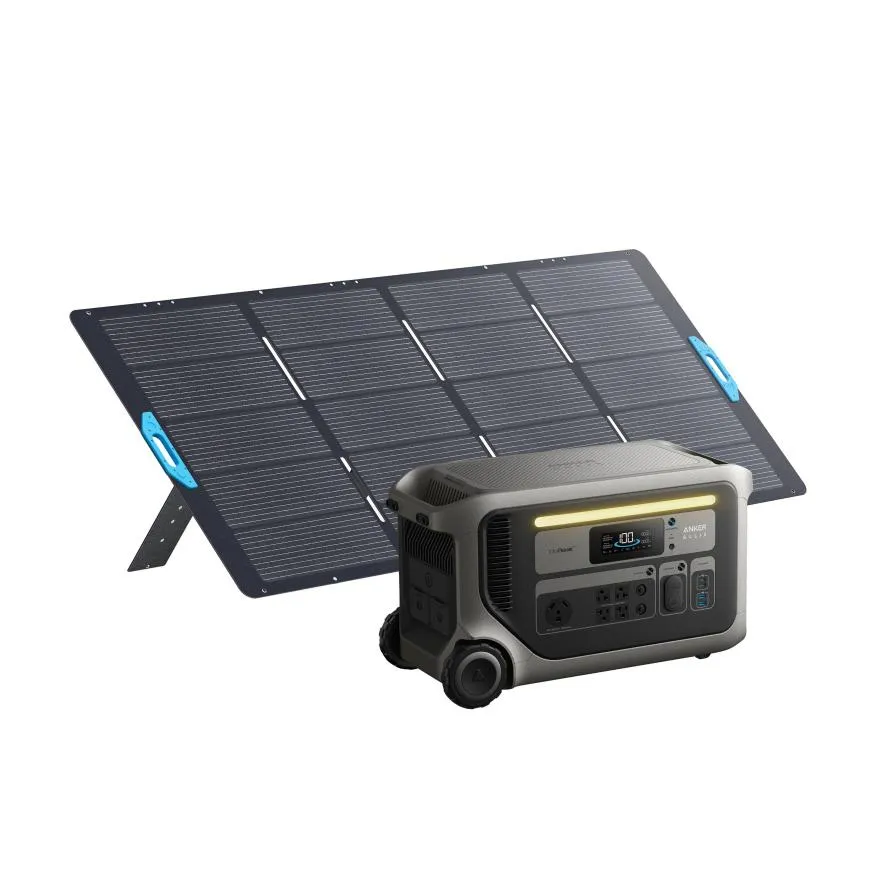
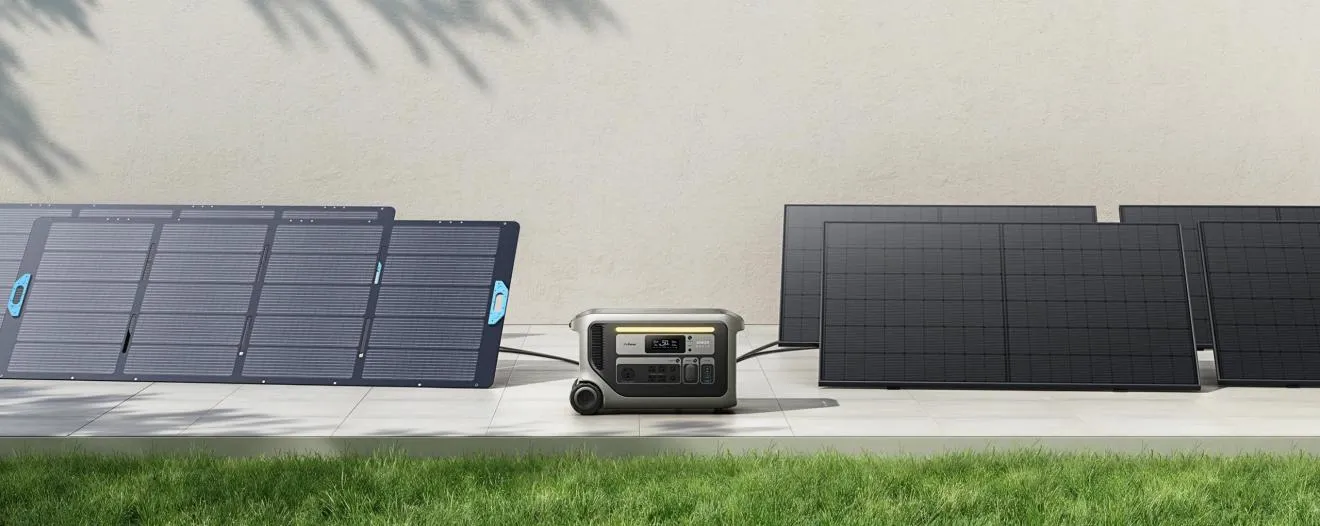
Solar panels are the first step in the process. They use photovoltaic cells to absorb sunlight and convert it into direct current, or DC, electricity. That electricity then flows to the solar generator’s charge controller, which regulates voltage and current to protect the battery and improve charging efficiency. The amount of energy collected depends on panel wattage, sunlight intensity, panel angle, and the number of peak sun hours available. In practical home backup use, higher solar input means faster recharging during the day and better readiness for extended outages. Portable or roof-mounted panels can both serve this role, as long as they are compatible with the generator’s input limits and charging requirements.
Battery Storage and Inverter Systems Deliver Usable Power
Once solar energy is collected, the generator stores it in an internal or expandable battery, usually as DC power. That stored energy becomes the reserve your home draws from when grid electricity is unavailable. To run common household devices, the system’s inverter converts DC electricity into alternating current, or AC, which most appliances use. Battery capacity determines how long equipment can run, while inverter rating determines what the system can power at one time. A larger battery supports longer backup duration, and a higher inverter output handles more demanding loads. Together, battery storage and inverter performance determine whether a solar generator can cover basic charging needs or more substantial emergency home backup tasks.
How a Solar Generator Provides Backup Energy During Outages
Energy Storage Keeps Essential Home Devices Running
During an outage, a solar generator supplies electricity from its stored battery power to connected devices through AC outlets, USB ports, or other output options. This allows homeowners to keep essential equipment operating without waiting for the grid to return. Common backup priorities include refrigerators to protect food, lights for visibility, internet equipment for communication, phones for updates, and medical devices that require uninterrupted power. If sunlight remains available, solar panels can continue recharging the battery during the outage, extending runtime beyond the initial stored capacity. This recharge-and-use cycle is what makes solar generators especially practical for home backup, because they can provide ongoing support instead of only delivering a one-time reserve.
Smart Power Management Improves Backup Efficiency
A solar generator works best when power is used strategically. Smart power management features help extend battery runtime by balancing input, storage, and output more efficiently. Many systems include battery monitoring, app-based controls, overload protection, and multiple charging modes, giving users a clearer picture of remaining capacity and active loads. This helps households prioritize essentials and avoid draining the battery on noncritical devices. Some models also support pass-through charging, allowing the unit to charge while powering equipment, which can be valuable during unstable grid conditions. By managing wattage demand carefully and using available solar input during daylight hours, homeowners can stretch backup energy longer and maintain power for the devices that matter most.
How to Use a Solar Generator for Reliable Home Backup
Choosing the Right Solar Generator Setup for Household Needs
Choosing the right setup starts with identifying what you need to power and for how long. List essential devices, check their running wattage and starting surge requirements, and calculate the total energy needed in watt-hours. Then match those needs to a solar generator’s battery capacity, inverter output, and solar charging speed. A compact unit may be enough for lights, phones, and networking gear, while larger households may need higher-capacity systems for refrigerators, freezers, or multiple rooms. Port selection also matters, especially if you want AC outlets, USB-C, or RV-style connections. For reliable home backup, aim for a system that covers critical loads first, then adds flexibility for longer outages or future expansion.
Anker SOLIX Solar Generators for Flexible Backup Solutions
Anker SOLIX solar generators are designed to give households flexible backup options across different usage levels. Depending on the setup, users can choose portable solutions for small essentials or higher-capacity systems for more demanding home circuits and longer outages. Key factors to look for include battery size, inverter output, recharge speed, available ports, and compatibility with solar panels for renewable recharging during grid interruptions. Anker SOLIX systems are especially useful for people who want quiet operation, straightforward setup, and the ability to move backup power where it is needed. For home use, that flexibility can help cover anything from communication devices and lighting to refrigeration and other essential appliances during emergencies.
Conclusion
A solar generator works for home backup by turning sunlight into electricity, storing that energy in a battery, and delivering usable AC power through an inverter when the grid goes down. Its value comes from combining clean energy collection, dependable storage, and controlled output in one system. For homeowners, that means a quieter and lower-maintenance way to keep essential devices running during outages. The most effective setup is the one sized around real household priorities, including runtime, appliance wattage, and solar recharging potential. When chosen carefully, a solar generator can provide both emergency backup and everyday energy support. Understanding how it works makes it easier to select a practical solution and use stored solar power with confidence when outages happen.