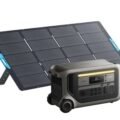
Anker SOLIX portable power stations are built to deliver rechargeable, plug-and-play energy for daily use, travel, and unexpected outages. This review looks at the features and performance that matter most, including portability, battery design, charging flexibility, and real-world output. With compact and high-capacity options available, the range is designed to run everything from phones and laptops to refrigerators, CPAP machines, tools, and other appliances. For buyers considering backup power for home, camping, RV trips, or off-grid projects, Anker SOLIX stands out for quiet, fume-free operation and practical everyday usability.
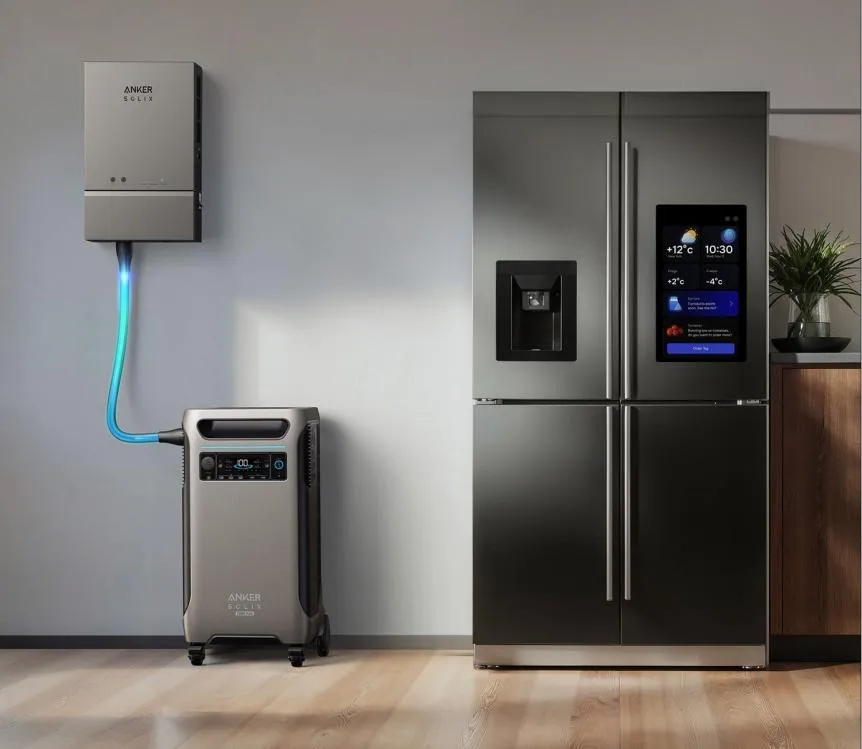
Anker SOLIX Power Station Overview and Key Features
Design, Portability, and Build Quality
Anker SOLIX power stations balance rugged construction with user-friendly portability. The housings feel solid and purpose-built, with reinforced corners, integrated handles, and control panels that are easy to access in low light or tight spaces. Smaller models are practical for car trips, tent camping, and charging gear on the go, while higher-capacity units are better suited to home backup and RV use where mobility still matters but maximum output is the priority. The overall layout is straightforward, so plugging in AC devices, USB gear, or solar input feels intuitive. Quiet, fume-free operation also improves usability indoors, making these units easier to store, move, and use during outages.
Battery Technology and Energy Storage Capacity
Battery design is one of the strongest parts of the Anker SOLIX power station lineup. These portable power stations are made for repeat use rather than occasional emergency-only duty, giving users rechargeable stored energy in a cleaner and more convenient format than fuel-based alternatives. Capacity options range from compact units suited to phones, tablets, cameras, and laptops to larger systems that can support refrigerators, CPAP machines, tools, and other essential appliances for longer periods. That flexibility makes the lineup easier to match to real needs instead of forcing buyers into a single size category. For both travel and backup use, the focus on dependable energy storage adds practical value and broader day-to-day usefulness.
Charging Options and Smart Power Management
Charging flexibility is a major advantage. Anker SOLIX portable power stations support plug-and-play use with multiple ports, along with AC wall charging and solar charging for users who want more independence off-grid. That mix works well for home, road travel, and outdoor setups where access to power can change throughout the day. Smart power management also helps distribute output across several devices without making the experience complicated. In practice, that means you can recharge the station at home, top it up with solar during a camping trip, and still keep essential electronics powered efficiently. The result is a system that feels adaptable, practical, and well suited to both planned trips and emergency readiness.
Performance Review: Power Output and Real-World Usage
Running Home Appliances During Power Outages
For home backup, Anker SOLIX performs best as a fast, quiet source of temporary power for essentials. Depending on the model selected, it can keep refrigerators, CPAP machines, phones, lights, routers, and small household electronics running during an outage without the noise, fumes, or startup complexity of gas equipment. The experience is especially strong for apartment dwellers or homeowners who want a simple emergency solution that works indoors. Setup is minimal: charge the unit, place it where needed, and connect priority devices. Higher-capacity options are naturally more useful for extended interruptions, but even smaller models provide meaningful backup by covering communication, medical, and food-preservation needs when grid power drops.
Supporting Camping, RV, and Outdoor Activities
Outdoor performance is where the portable design becomes especially valuable. Anker SOLIX units suit camping, RV trips, tailgating, and off-grid projects because they provide dependable electricity without engine noise or fuel handling. Smaller stations are ideal for lights, cameras, drones, phones, and portable coolers, while larger options can support cookware, tools, fans, and more demanding gear. Solar charging also adds a practical advantage for longer stays away from hookups, helping extend runtime during daylight hours. For RV users, the benefit is convenience rather than complexity: one unit can keep personal electronics, comfort devices, and small appliances powered from a single hub. That combination makes outdoor power feel organized, clean, and reliable.

Charging Multiple Devices Efficiently
In everyday use, Anker SOLIX handles multi-device charging efficiently because the platform is designed around varied outputs and straightforward access. Phones, tablets, laptops, cameras, speakers, and small appliances can be connected at the same time without turning the unit into a confusing tangle of adapters. That matters at home and on the road, where several people may need power at once. The available port mix supports both personal electronics and larger plug-in devices, which increases the station’s usefulness beyond simple backup. Instead of reserving it for emergencies only, users can rely on it as a shared charging hub for work, travel, and recreation. That broad utility is a meaningful performance advantage.
Conclusion
Anker SOLIX power stations deliver a strong mix of practical features and dependable performance for backup power and mobile energy needs. The lineup covers a wide range of use cases, from compact travel charging to higher-capacity support for outages, RV trips, and off-grid work. Quiet, fume-free operation, flexible AC and solar charging, and support for multiple devices make the system easy to live with day to day. For users who want portable, rechargeable power that feels simple, capable, and versatile, Anker SOLIX is a well-rounded option with clear real-world value.