


Power outages can happen without warning, leaving homeowners with more concerns than simply restoring electricity. Once power returns, many people expect their air conditioning system to restart immediately, but that is not always the case. Electrical interruptions can affect components in different ways depending on the equipment’s age, the length of the outage, and the conditions at the time electricity was restored. Understanding what may happen after a blackout helps homeowners recognize potential issues early and avoid unnecessary strain on their cooling system. Knowing how to respond calmly and carefully can reduce the chances of further damage while keeping indoor comfort and system reliability in focus.
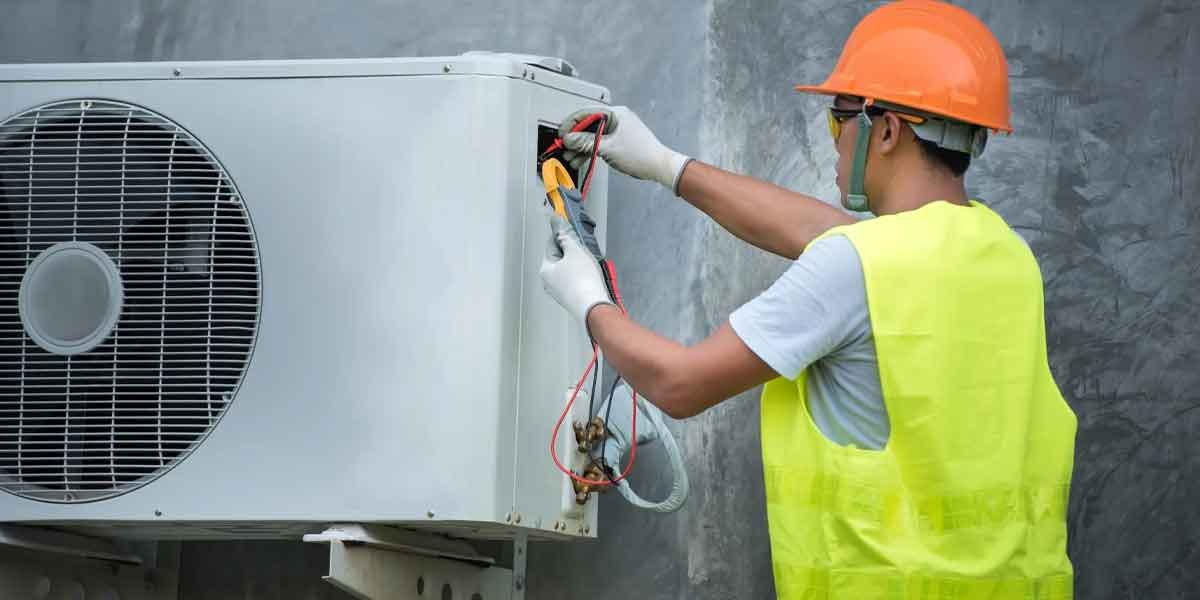
Understanding Post-Outage Air Conditioner Concerns
1. Why a Power Outage Can Affect Air Conditioning Performance
Although many modern air conditioning systems are designed with protective features, they are still vulnerable to sudden interruptions in electrical service. A power outage may stop the compressor abruptly, interrupt communication between electrical controls, or expose delicate components to voltage fluctuations when electricity returns. Even if the unit appears to restart normally, hidden issues can develop over time. Some homeowners notice that their system struggles to cool rooms evenly, cycles on and off more frequently, or produces unfamiliar sounds shortly after power restoration. These symptoms may indicate that certain electrical parts experienced stress during the outage.
Rather than assuming the system simply needs time to recover, it is important to monitor any changes in operation. Waiting too long to address unusual behavior may allow minor electrical problems to become more significant repairs. Understanding that power restoration can create conditions different from a normal startup helps homeowners recognize why careful observation during the first few hours after electricity returns is worthwhile.
Regular seasonal checkups on cooling systems can also minimize the likelihood of major system failures when sudden power changes occur. Homeowners who want to ensure their heating or air conditioning setup is fully inspected can view it now to connect with professional maintenance options. Staying proactive with routine upkeep ensures that unexpected electrical stress does not completely compromise your household comfort.
When unexpected electrical shifts disrupt your cooling system, professional support can ensure your home stays comfortable. Scheduling an inspection for ac repair airmont allows technicians to safely check sensitive components and restore optimal airflow. Addressing these small concerns early protects your investment and ensures stable cooling performance through the warmest months.
2. Recognizing Hidden Electrical Damage After Service Returns
Not every electrical issue becomes obvious immediately after power is restored. Some damage remains hidden until the air conditioner operates under heavier cooling demands later in the day. Capacitors, contactors, relays, and control boards can all experience stress from sudden voltage changes, even when there are no visible signs of failure. A homeowner may notice that the outdoor unit hesitates before starting or that the indoor fan continues running without delivering cool air. These situations often point toward electrical components that no longer function as intended. Homeowners seeking Heating and Air Conditioning Repair in Poway often discover that prompt inspections following unexpected outages can identify developing electrical issues before they lead to larger equipment failures.
Paying attention to delayed startup, inconsistent airflow, or repeated attempts to restart the system provides valuable clues that something inside the unit deserves closer attention.
Maintaining structural awareness of your system’s climate demand is crucial during seasonal shifts. For homeowners needing standard system calibrations or specialized technical support, consulting an experienced team for hvac in Garner can optimize local system settings. Proactive inspections help preserve baseline performance levels and protect delicate electronic control components before severe regional conditions set in.
Responding early may reduce repair costs and help preserve the overall condition of the cooling equipment for the remainder of the season.
3. Why Resetting the System Is Not Always Enough
Many homeowners believe that switching the thermostat off and back on will solve every problem following a power outage. While resetting the thermostat may restore normal communication in some situations, it cannot correct damaged electrical parts or mechanical components affected by unstable voltage. Air conditioners often include built-in delay timers that intentionally prevent the compressor from restarting immediately after power returns. This delay protects internal parts from excessive pressure and helps reduce unnecessary wear.
Attempting repeated manual resets before the system has completed its protective waiting period may create additional confusion and make diagnosis more difficult. If the system remains unresponsive after allowing sufficient time for the delay cycle, other issues may be present beneath the surface. Homeowners should also check circuit breakers and thermostat settings before assuming major damage has occurred. Taking a patient, methodical approach rather than repeatedly forcing the equipment to restart gives the air conditioning system a better chance to resume normal operation while reducing unnecessary strain on sensitive electrical components.
4. How Power Surges Can Shorten Equipment Lifespan
When electricity returns after an outage, the flow of power is not always perfectly stable. Temporary voltage spikes, often called power surges, can travel through household electrical systems within fractions of a second. Although these surges may not immediately destroy an air conditioner, repeated exposure can gradually weaken electronic controls and electrical connections. Modern cooling systems rely on numerous electronic components that coordinate temperature regulation, compressor operation, and safety functions. Damage to even one small circuit may affect overall performance long before complete failure occurs. Homeowners sometimes overlook these gradual effects because the air conditioner continues running despite declining efficiency.
Over time, weakened components may force other parts to work harder, increasing wear throughout the system. Installing appropriate surge protection and monitoring system performance after major outages can help reduce these long-term risks. Recognizing that damage is not always immediate encourages homeowners to remain attentive in the weeks following a significant power interruption, rather than assuming everything escaped without consequences simply because the unit restarted.
5. The Importance of Monitoring Cooling Performance After Restart
Even when an air conditioner appears to function normally after the power returns, homeowners should continue monitoring its performance over the next several days. Cooling cycles should remain consistent, airflow should feel steady throughout the home, and the thermostat should accurately maintain the selected temperature. If rooms become unevenly cooled, humidity levels increase unexpectedly, or energy bills begin rising without explanation, the outage may have contributed to underlying equipment problems. Strange odors, rattling sounds, buzzing, or longer operating cycles also warrant attention, as they often signal developing electrical or mechanical issues. Monitoring these changes allows homeowners to respond before additional components become affected.
Keeping outdoor equipment clear of debris that may have accumulated during storms associated with power outages also supports proper airflow and cooling performance. Simple observations made during normal daily use often provide valuable information about the system’s condition. Remaining aware of subtle differences, rather than focusing only on complete equipment failure, helps homeowners protect both comfort and the long-term reliability of their air conditioning system.
Recovering from a power outage involves more than waiting for the lights to come back on. Air conditioning systems may experience electrical stress that is not immediately visible, making careful observation an important part of protecting household comfort. Understanding how outages affect cooling equipment helps homeowners recognize unusual symptoms, avoid unnecessary resets, and respond appropriately when performance changes occur.
Paying attention to airflow, cooling consistency, operating sounds, and startup behavior can reveal developing concerns before they become larger repairs. A thoughtful response after every significant outage supports dependable cooling, helps extend equipment life, and allows homeowners to restore indoor comfort with greater confidence.
You Might Also Like...
 Why Air Conditioner Compressor Not Working? The Usual Causes, Safe Checks, and the Signs It Is Time to Stop Troubleshooting
 Why Is My Furnace Blowing Cold Air Instead of Heat?
 The Role of Routine Filter Changes in Reducing Air Conditioning Repair Visits
 What to Expect During Your First Air Conditioning Repair Service Appointment
