Air duct cleaning is the process of removing dust, debris, and contaminants from the network of channels that circulate heated and cooled air through a building. It’s a service most people only think about when something already feels wrong — a musty smell, a dusty vent, a family member who can’t stop sneezing at home — but by the time those signs show up, the ducts have usually needed attention for a while. This kind of indoor air quality service isn’t just a residential concern either — offices, retail spaces, restaurants, and medical facilities all depend on the same hidden system, often with higher stakes if it fails.
The Hidden Problem Behind Poor Indoor Air Quality
Most people assume the air inside their home or workplace is cleaner than the air outside. In reality, indoor air can carry dust, pet dander, pollen, and even mold spores that get pulled into the duct system and redistributed every time the heating or cooling system runs. Over months and years, this buildup settles inside the ducts themselves, turning the HVAC system into a source of the problem instead of a solution.
The most common complaint is unexplained allergy symptoms — sneezing, itchy eyes, or a stuffy nose that gets worse indoors and better outside. Another frequent issue is a steady layer of dust that returns within days of cleaning a room, no matter how often it’s wiped down. In commercial spaces, this often shows up as employee complaints about stuffiness or fatigue, which can be difficult to trace back to the ductwork if no one thinks to check it.
Warning Signs Your Air Ducts Need Attention
A few signs tend to show up before people realize their air ducts are the source:
- Visible dust or debris blowing out of vents when the system turns on
- A musty or stale odor that appears specifically when the heat or AC kicks in
- Allergy or respiratory symptoms that improve when away from the building
- Uneven airflow between rooms that used to heat or cool evenly
- Ducts that haven’t been inspected in several years, especially after any renovation work
Renovation is worth calling out specifically — drywall dust and construction debris are notorious for settling deep into ductwork, and that particular kind of buildup rarely clears on its own. If any of these signs sound familiar, it’s usually worth having the system inspected by a professional cleaning company before symptoms or complaints get worse.
Why Spokane’s Climate Makes This Worse
Spokane’s environment adds a few local pressures that make duct buildup happen faster than in milder climates. Wildfire smoke season pulls fine particulate matter into homes and buildings through any gap in the HVAC system, and that residue settles in the ducts long after the smoke has cleared from the outdoor air. The region’s long heating season means furnaces run for months at a stretch, continuously pushing air — and whatever has accumulated in the ducts — through every room. Add in seasonal pollen in spring and dry air through much of the year, and Spokane properties tend to need duct attention on a shorter cycle than homes in more temperate regions.
Residential vs. Commercial Air Duct Cleaning — Different Risks, Different Needs
Homeowners and business owners are usually solving for different things when it comes to duct cleaning, even though the underlying service is similar.
For a home, the priority is usually family health — reducing allergens for kids or anyone with asthma, managing pet dander in homes with multiple animals, or addressing a musty smell that makes the whole house feel less comfortable. For a business, the stakes often extend beyond comfort. A restaurant with grease-laden kitchen exhaust ducts faces different buildup than an office HVAC system, but both can affect customer or employee experience directly. Medical and dental offices have an even tighter margin for error, since indoor air quality can be tied to infection control standards. Retail spaces and gyms deal with high foot traffic pulling in more dust and debris than a typical home ever would.
The frequency, the equipment needed, and even the inspection checklist can look different depending on which category a property falls into — which is why it’s worth treating “duct cleaning” as two related but distinct services rather than one-size-fits-all.
What a Professional Air Duct Cleaning Actually Involves
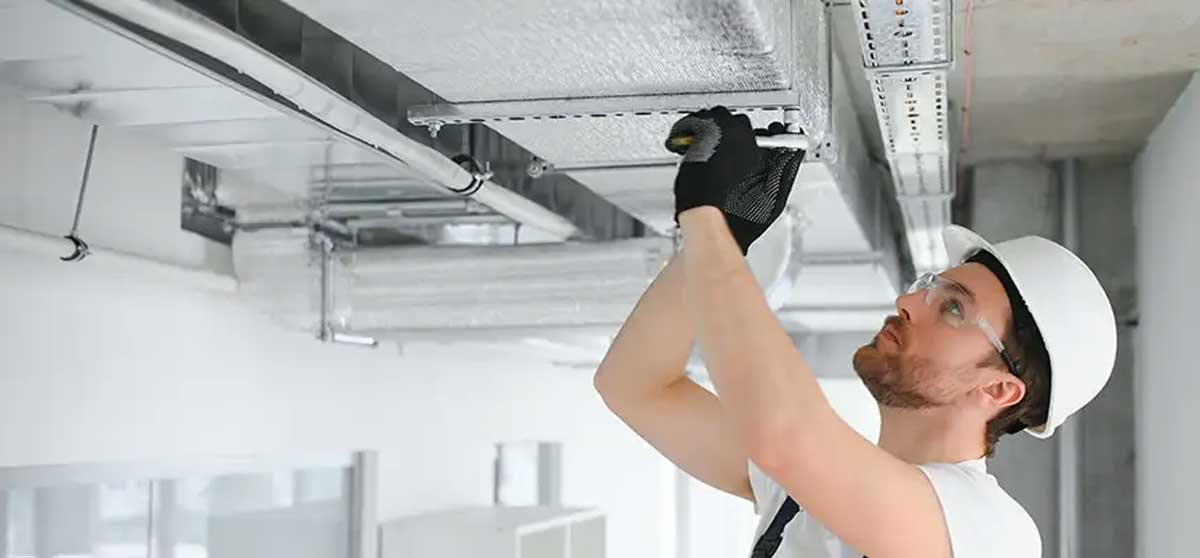
A proper air duct cleaning typically follows a few consistent steps: an inspection of the duct system to identify buildup and any damage, agitation of dust and debris from the interior duct walls, high-powered vacuum extraction to remove loosened material before it resettles, and a check of components like the blower motor and coils, which can accumulate their own buildup over time. For commercial systems, this often includes a broader inspection of rooftop units and larger duct runs that residential systems don’t have.
How Often Should Ducts Be Cleaned — Home vs. Business
For most homes, every three to five years is a reasonable baseline, though homes with pets, smokers, or recent renovations often need it sooner. Homes with a family member who has severe allergies or asthma may benefit from a shorter cycle as well.
Commercial properties tend to need more frequent attention because of higher occupancy and airflow demand. Restaurants and medical facilities often follow a yearly or twice-yearly schedule due to grease buildup or air quality standards, while general office spaces can typically follow a two-to-three-year cycle unless a specific issue comes up sooner.
Air Duct Cleaning vs. Filter Replacement
This is one of the most common points of confusion for both homeowners and facility managers. Filter replacement addresses what’s coming into the system — it’s a maintenance task that should happen every one to three months depending on the filter type and usage. Duct cleaning addresses what has already accumulated inside the system itself, in the actual channels the air travels through. Replacing filters regularly slows down how fast the ducts get dirty, but it doesn’t remove buildup that’s already there. Both are necessary, but they solve different problems, and neither one is a substitute for the other.
Air duct cleaning is easy to overlook because the problem it solves is invisible — until it isn’t. Whether it’s a home dealing with recurring allergy symptoms or a business fielding complaints about stuffy air, the ducts are often the first place worth checking, especially in a climate like Spokane’s where wildfire smoke, pollen, and a long heating season all add to the buildup faster than in other regions.