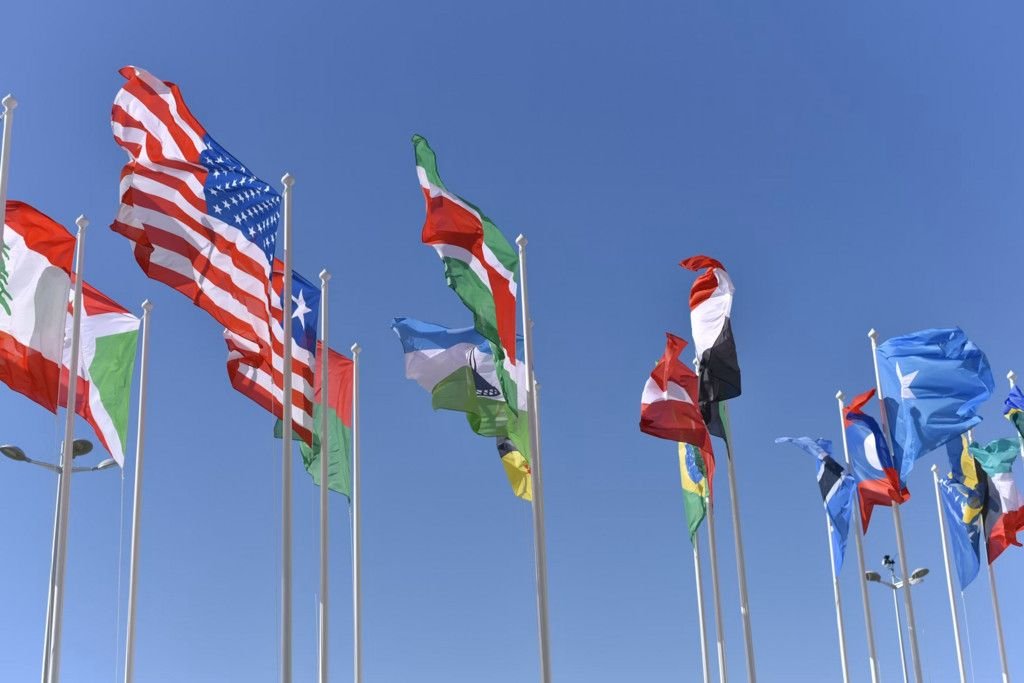
The flags of Latin America represent far more than national boundaries. These vivid emblems embody centuries of struggle, independence, and cultural pride—each color and symbol carefully chosen to reflect the values and history of its people. During festivals and national celebrations, these flags transform public spaces into vibrant displays of collective identity, uniting communities in shared expressions of heritage.
To truly appreciate Latin American culture, understanding the significance behind these flags is essential. Their evolution traces the region’s journey from colonial rule to independence, and their continued presence in modern celebrations reveals how deeply they’re woven into the social fabric of these nations.
From Colonial Standards to National Symbols
The flags of Latin America emerged during one of history’s most transformative periods—the wave of independence movements that swept across the continent in the early 19th century. As nations broke free from Spanish and Portuguese rule, they needed symbols that could unite diverse populations and represent their newfound sovereignty.
These independence struggles fundamentally shaped flag designs. Revolutionary leaders incorporated imagery that resonated with both indigenous heritage and Enlightenment ideals of liberty. The symbolism embedded in national flags often drew from pre-Columbian mythology, Catholic iconography, and Masonic traditions that influenced many independence leaders. You can learn more from this in-depth journal article.
Several flags tell particularly compelling stories:
- Argentina’s light blue and white stripes frame the Sun of May, commemorating the May Revolution of 1810 while honoring Inti, the Incan sun deity.
- Mexico’s tricolor features an eagle perched on a cactus devouring a serpent—the exact image Aztec priests saw that told them where to build Tenochtitlan.
- Bolivia’s flag underwent multiple transformations, reflecting the country’s turbulent political history and the ongoing tension between different regional and ethnic identities.
- The flags of Central America share common elements from their brief union as the Federal Republic of Central America, with blue and white stripes appearing across multiple national designs.
As these nations solidified their independence, their flags became powerful tools for building national consciousness among populations that had never before conceived of themselves as unified peoples.
The Language of Colors and Symbols
Latin American flags speak through a sophisticated visual vocabulary where every hue carries meaning. Unlike the arbitrary color choices of some national symbols, these flags employ deliberate chromatic and symbolic systems rooted in historical experience and cultural values.
The most common colors convey specific messages:
- Red: Represents the blood spilled during independence wars and the courage of those who fought for freedom.
- Blue: Symbolizes the sky, ocean, and the ideals of liberty and justice that inspired revolutionary movements.
- Green: Reflects the region’s agricultural wealth, lush landscapes, and hope for prosperity.
- Yellow or Gold: Signifies mineral wealth, particularly the gold that first attracted European colonizers, now reclaimed as a symbol of national resources.
- White: Denotes peace, purity, and unity among diverse populations.
Beyond colors, recurring symbols carry deep significance. Stars frequently represent provinces or states, while suns reference indigenous cosmology.
Coats of arms appear on many flags, particularly in Central America, depicting everything from volcanoes to Phrygian caps—the latter a symbol of freedom inherited from the French Revolution. These intricate designs transform flags into narrative devices, telling compressed versions of national stories through visual shorthand.
Regional Variations Across Central and South America
The diversity of Latin American flags reflects the region’s geographic, ethnic, and historical complexity. While certain patterns emerge—particularly the influence of independence-era pan-Latin American movements—each nation’s flag expresses a distinct identity.
South American flags showcase remarkable variety:
- Brazil: The only Portuguese-speaking nation in South America displays a green field with a yellow diamond containing a blue celestial globe. The 27 stars represent states and the federal district, while the positivist motto “Ordem e Progresso” reflects 19th-century philosophical influences.
- Argentina: The sky-blue and white horizontal stripes create one of the region’s most recognizable designs, with the golden Sun of May radiating at its center.
- Chile: Features a lone white star on a blue canton—the “Lone Star” representing honor and progress—against white and red horizontal bands.
- Peru: Displays vertical red-white-red bands, with the coat of arms version showing a vicuña, cinchona tree, and cornucopia representing the nation’s natural wealth.
Central American flags often share design elements from their common history. Guatemala, Honduras, El Salvador, Nicaragua, and Costa Rica all feature blue and white—colors from the flag of the short-lived Federal Republic of Central America. Yet each has evolved distinct variations that assert individual national character.
For those interested in displaying these symbols, retailers such as Flags Importer, AllFlags World, and Flags of the World offer quality reproductions of Latin American flags that capture the precise colors and proportions that make each design meaningful. These flags serve not just as decorative elements but as tangible connections to the cultures they represent.
Flags as Focal Points of Cultural Expression
Throughout Latin America, flags transcend their official governmental functions to become central elements of popular celebration. They appear in contexts ranging from solemn state ceremonies to exuberant street festivals, adapting to different cultural moments while maintaining their symbolic power.
During Independence Day celebrations, flags dominate public spaces. In Mexico, September 16th sees the entire country draped in green, white, and red. Government buildings, private homes, and businesses all display the national colors, while vendors sell flag-themed merchandise ranging from face paint to elaborate costumes. The president’s reenactment of the “Grito de Dolores”—the cry for independence—takes place beneath an enormous flag, connecting contemporary citizens to their revolutionary heritage.
Religious festivals incorporate flags in distinctive ways. In many Andean communities, the Wiphala—a checkered rainbow banner representing indigenous peoples—appears alongside national flags during celebrations, acknowledging the complex layering of identities within modern Latin American nations. The Wiphala’s recognition as an official symbol in Bolivia and Ecuador represents an important acknowledgment of indigenous heritage.
Sporting events transform flags into instruments of passionate support. During World Cup matches, entire stadiums become seas of national colors as fans wave flags, wear flag capes, and paint their faces in patriotic designs. The flag becomes a way to channel collective emotion and create solidarity among strangers united by national identity.
Community festivals and parades feature flags prominently:
- Carnival celebrations incorporate national colors into costumes and decorations.
- Local patron saint festivals often process through streets with both religious banners and national flags.
- Cultural heritage events use flags to mark different regional or ethnic groups within the national framework.
- Political demonstrations employ flags to claim patriotic legitimacy for various causes.
Flags and the Construction of National Identity
National flags serve as powerful tools for creating shared identity among diverse populations. In Latin America, where many nations encompass multiple ethnic groups, languages, and regional cultures, flags provide a unifying symbol that transcends local differences.
The process of flag adoption itself often sparked national debates about identity. When countries designed their flags during independence, they had to decide which aspects of their complex heritage to emphasize. Should they highlight indigenous roots, European influences, or African contributions? Should they stress revolutionary ideals or Catholic traditions? These decisions shaped how nations understood themselves.
Modern Latin American nations continue to grapple with questions of identity that their flags both reflect and influence. The inclusion of indigenous symbols in some flags represents an attempt to acknowledge pre-Columbian heritage, though critics sometimes argue these gestures remain superficial without corresponding political and economic changes.
Flags also create emotional connections that transcend rational analysis. National symbols can trigger strong feelings of belonging and loyalty. For immigrants and diaspora communities, flags become especially important as tangible links to distant homelands.
Educational systems reinforce flag significance through daily rituals. Many Latin American schools begin each day with flag ceremonies where students recite pledges and sing national anthems. These practices instill respect for national symbols from an early age, ensuring flags remain central to cultural identity across generations.
Why These Symbols Matter Beyond Borders
Understanding Latin American flags offers insights that extend beyond simple recognition. These symbols provide windows into historical struggles, cultural values, and ongoing debates about national identity that shape the region’s present and future.
For anyone engaging with Latin American culture—whether through travel, business, education, or personal relationships—recognizing flag symbolism demonstrates cultural literacy and respect. Knowing that the colors of the Colombian flag represent sovereignty, justice, and fertility shows an understanding that goes beyond superficial tourism.
These flags also illuminate broader patterns in how nations construct identity. The similarities and differences among Latin American flags reveal how neighboring countries with shared colonial experiences developed distinct national characters. Comparing the flags of Argentina, Uruguay, and Paraguay—all influenced by similar independence movements—shows how subtle design choices reflect different historical trajectories.
For educators and students, Latin American flags offer accessible entry points into complex historical topics:
- The evolution of flag designs traces political changes and shifting power dynamics.
- Symbolic elements connect to indigenous cultures, colonial history, and independence movements.
- Color choices reflect both universal symbolism and region-specific meanings.
- Contemporary flag controversies reveal ongoing debates about national identity and inclusion.
Connecting with Latin American Heritage Through Symbols
Engaging meaningfully with Latin American flags means moving beyond passive observation to active appreciation. Whether you’re planning a cultural celebration, teaching about the region, or simply expanding your global awareness, these symbols offer rich opportunities for connection.
For those organizing events, incorporating flags appropriately shows cultural sensitivity. Understanding which flags to display, how to position them, and what they represent prevents inadvertent disrespect while creating authentic cultural atmosphere. Planning culturally informed celebrations requires attention to these symbolic details that matter deeply to the communities being honored.
Learning the stories behind flags enriches travel experiences throughout Latin America. When you visit Mexico City’s Zócalo and see the massive flag at its center, knowing the Aztec mythology embedded in its design transforms the experience from simple sightseeing to cultural understanding. The same applies to witnessing flag ceremonies in Buenos Aires, Lima, or any Latin American capital.
For diaspora communities and cultural organizations, flags serve as powerful tools for maintaining connections to heritage. Displaying flags at community centers, cultural festivals, and educational events creates visual affirmations of identity that help younger generations understand their roots.
The flags of Latin America ultimately represent more than nations—they embody the aspirations, struggles, and pride of millions of people across a diverse and dynamic region. By understanding these symbols, we open ourselves to deeper engagement with cultures that have shaped global history and continue to influence our interconnected world.