Implementing energy-efficient upgrades significantly enhances a home’s market appeal and can lead to a higher selling price, as prospective buyers increasingly prioritize lower utility costs and environmental benefits. These improvements not only reduce the carbon footprint but also provide tangible financial savings over the long term, making a property more attractive in a competitive real estate landscape. Strategic investments in energy efficiency can differentiate a home, appealing to a broad demographic of environmentally conscious and budget-savvy purchasers, notes Draper Realty solutions.
Understanding the Appeal of Energy-Efficient Homes
Energy-efficient homes are highly sought after by today’s buyers due to their promise of reduced operating costs, enhanced comfort, and a smaller environmental footprint, directly translating into a more desirable and valuable property. The financial benefits, such as lower monthly utility bills, resonate strongly with homeowners looking to manage their budgets effectively. Furthermore, the growing awareness of climate change has led many buyers to seek properties that align with their sustainability values.
The demand for homes with superior energy performance has steadily climbed, reflecting a broader societal shift towards sustainability and financial prudence. Buyers are not merely looking for aesthetic appeal; they are conducting thorough evaluations of a home’s long-term operational expenses. A property that demonstrates proven energy savings offers a clear competitive advantage in the market, often justifying a higher asking price.
Real estate professionals frequently highlight energy efficiency as a key selling point, emphasizing the tangible benefits to potential homeowners. Features like well-insulated walls, efficient windows, and modern heating and cooling systems are no longer niche amenities but rather expected attributes of a quality home. These elements contribute to a comfortable living environment while simultaneously reducing the financial burden of energy consumption.
Beyond the immediate financial gains, energy-efficient homes often boast improved indoor air quality and consistent temperatures throughout the year. This enhanced living comfort is a significant, albeit sometimes overlooked, factor that contributes to buyer satisfaction. A home that is both cost-effective to run and pleasant to inhabit naturally stands out in the marketplace.
Optimizing Your Home’s Envelope: Insulation and Windows
Improving your home’s thermal envelope through upgraded insulation and high-performance windows is one of the most effective ways to boost energy efficiency, preventing heat loss in winter and heat gain in summer, thereby reducing heating and cooling demands. These foundational upgrades create a more stable indoor climate, minimizing the workload on HVAC systems and leading to substantial energy savings. A well-sealed and insulated home provides year-round comfort and significantly lowers utility bills.
Proper insulation in attics, walls, and crawl spaces acts as a critical barrier against temperature fluctuations, maintaining consistent indoor temperatures. Upgrading to modern insulation materials, such as spray foam or cellulose, can dramatically reduce energy waste. The U.S. Department of Energy estimates that a properly insulated home can save homeowners an average of 15% on heating and cooling costs [1].
Windows are another significant factor in a home’s energy performance, with older, single-pane windows being notorious for energy loss. Replacing them with double or triple-pane windows featuring low-emissivity (Low-E) coatings can drastically improve thermal efficiency. These advanced windows reflect infrared light, keeping heat inside during colder months and outside during warmer months, without sacrificing natural light.
The investment in high-quality windows and insulation not only translates into immediate energy savings but also enhances the home’s overall comfort and quietness. Buyers appreciate these upgrades as they contribute to a more peaceful and economical living space. The return on investment for these improvements is often realized through both reduced utility bills and increased property value.
Smart Home Technology for Energy Savings
Integrating smart home technologies, particularly smart thermostats and lighting systems, offers homeowners precise control over energy consumption, allowing for optimized scheduling and remote management that appeals directly to tech-savvy buyers seeking convenience and efficiency. These intelligent devices learn household patterns and adjust settings automatically, leading to significant reductions in energy waste. The ability to manage home systems from anywhere adds a layer of modern appeal.
Smart thermostats, such as those from Nest or Ecobee, are a prime example of technology driving energy efficiency. These devices learn occupants’ schedules and temperature preferences, automatically adjusting heating and cooling to optimize energy use. They can also be controlled remotely via smartphone, allowing homeowners to save energy when away and return to a comfortable environment.
Smart lighting systems, which often include LED bulbs and automated controls, further contribute to energy savings. These systems allow users to dim lights, set schedules, and even detect occupancy to turn lights off when a room is empty. The longevity and low energy consumption of LED bulbs, combined with smart controls, make for a highly efficient lighting solution that buyers find very attractive.
Beyond thermostats and lighting, smart home integration can extend to smart plugs, energy monitoring systems, and automated blinds. These interconnected devices provide a comprehensive approach to energy management, offering detailed insights into consumption patterns and opportunities for further optimization. A home equipped with such technology is perceived as modern, efficient, and future-proof.
Efficient HVAC Systems: Heating and Cooling
Upgrading to high-efficiency HVAC systems, including furnaces, air conditioners, and heat pumps, is crucial for reducing a home’s largest energy consumers, providing consistent climate control with significantly lower operational costs that attract discerning buyers. Modern HVAC units utilize advanced technologies to deliver superior performance while consuming less energy, making them a cornerstone of an energy-efficient home. The long-term savings on utility bills are a major draw for prospective purchasers.
Older HVAC systems can be notoriously inefficient, consuming vast amounts of energy to maintain desired indoor temperatures. Replacing an outdated furnace or air conditioner with a new, Energy Star-certified model can lead to substantial energy savings. According to the Environmental Protection Agency, upgrading to an Energy Star certified central air conditioner can save homeowners about 20% on cooling costs [2].
Modern updates operate much more quietly and consume fewer resources, creating a more sustainable indoor environment. Consulting an experienced HVAC contractor in Hayes can help identify the correct system specifications for your home’s layout. Property owners who implement these technical improvements generally note more stable climate control and immediate reductions in monthly operational expenses.
Heat pumps represent an increasingly popular and highly efficient alternative for both heating and cooling. These systems transfer heat rather than generating it, making them incredibly efficient in moderate climates. Air-source heat pumps, geothermal heat pumps, and mini-split systems offer versatile solutions that can significantly reduce a home’s energy footprint. Their dual functionality is particularly appealing to buyers.
When considering HVAC upgrades, it is also important to ensure that ductwork is properly sealed and insulated. Leaky ducts can waste a significant amount of conditioned air, negating the benefits of an efficient HVAC unit. A comprehensive approach to HVAC efficiency, including system upgrades and duct maintenance, presents a compelling package to potential buyers.
Harnessing Renewable Energy: Solar Power
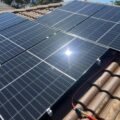
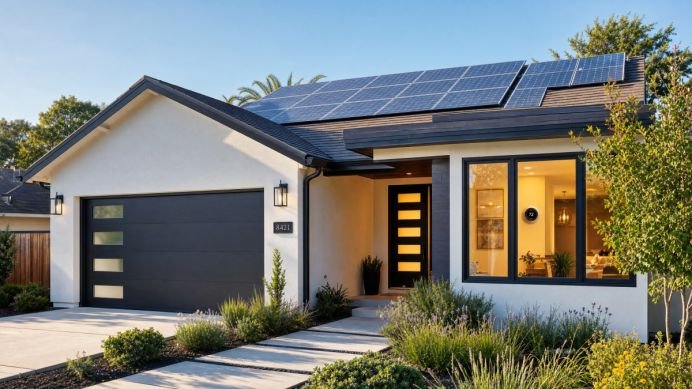
Installing solar panels is a powerful statement of energy independence and sustainability, offering significant long-term savings on electricity bills and substantially increasing a home’s market value, making it a highly desirable feature for environmentally conscious buyers. Solar energy systems reduce reliance on grid electricity, providing predictable energy costs and a tangible reduction in carbon emissions. This investment appeals to buyers seeking both financial and ecological benefits.
The appeal of solar power extends beyond environmental benefits; it offers substantial financial advantages. Homeowners with solar panels often see their electricity bills drastically reduced or even eliminated, depending on system size and energy consumption. This predictable energy cost is a major draw for buyers, especially in areas with fluctuating utility rates.
Numerous studies have shown that homes equipped with solar panels sell for a premium and often faster than comparable non-solar homes. A report by Zillow found that homes with solar installations sold for 4.1% more on average than similar homes without them. This premium reflects the perceived value of lower operating costs and the positive environmental impact.
While the initial investment in solar panels can be significant, various government incentives, tax credits, and financing options can make it more accessible. Furthermore, the long-term savings and increased property value often lead to a favorable return on investment. Solar energy is no longer a niche market; it has become a mainstream expectation for many buyers seeking sustainable living, offering both environmental stewardship and financial foresight.
Water Conservation and Efficiency
Implementing water-saving fixtures and landscaping solutions significantly reduces water consumption, lowering utility bills and appealing to buyers who prioritize resource conservation and sustainable living practices. Efficient water use not only benefits the environment but also translates into tangible financial savings for homeowners. These upgrades demonstrate a commitment to responsible resource management, enhancing a home’s overall appeal.
Low-flow showerheads, toilets, and faucets are simple yet effective upgrades that can dramatically reduce indoor water usage. These fixtures deliver the same performance as older models while consuming significantly less water. For instance, replacing an old toilet with a new WaterSense labeled model can save thousands of gallons of water annually, directly impacting utility costs.
Beyond indoor fixtures, water-efficient landscaping, often referred to as xeriscaping, minimizes the need for irrigation by utilizing drought-tolerant plants and efficient watering systems. This approach not only conserves water but also reduces maintenance requirements, a benefit that resonates with busy homeowners. A well-designed, water-wise garden can be both beautiful and environmentally responsible.
Smart irrigation systems, which use weather data and soil moisture sensors to optimize watering schedules, further enhance water conservation efforts. These systems prevent overwatering and ensure that plants receive only the water they need, when they need it. Homes that showcase comprehensive water conservation strategies are increasingly attractive to buyers looking for sustainable and cost-effective properties.
Energy-Efficient Appliances and Lighting
Upgrading to Energy Star certified appliances and embracing LED lighting throughout the home are straightforward yet highly effective ways to reduce electricity consumption, offering immediate cost savings and a modern appeal that attracts energy-conscious buyers. These upgrades provide a quick return on investment through lower utility bills and contribute to a more sustainable household. Buyers often view these features as indicators of a well-maintained and thoughtfully updated home.
Energy Star appliances, including refrigerators, dishwashers, washing machines, and ovens, are designed to operate with significantly less energy than conventional models. While the initial purchase price might be slightly higher, the long-term savings on electricity bills quickly offset this cost. These appliances are a clear signal to buyers that the home is equipped for efficiency and modern living.
Replacing traditional incandescent bulbs with LED lighting is one of the simplest and most impactful energy efficiency upgrades. LED bulbs consume up to 90% less energy and last significantly longer, reducing both electricity costs and the frequency of bulb replacement. The crisp, clean light provided by LEDs also enhances the aesthetic appeal of a home.
Consider also the impact of smart power strips, which can cut power to electronics when they are not in use, eliminating phantom load. These small but effective devices contribute to overall energy savings and demonstrate a meticulous approach to energy management. Educating buyers about these subtle yet impactful features can further highlight the home’s energy efficiency.
| Upgrade Type | Impact on Energy Bills | Buyer Appeal | Typical ROI |
|---|---|---|---|
| Insulation & Windows | High (15-25% savings) | Comfort, lower heating/cooling costs | 60-80% |
| Smart Thermostats | Medium (10-12% savings) | Convenience, modern technology | 50-70% |
| Energy Star Appliances | Medium (5-15% savings) | Modern, lower utility costs | 30-50% |
| Solar Panels | Very High (50-100% savings) | Sustainability, energy independence | 80-120% |
| Efficient HVAC | High (15-20% savings) | Reliability, comfort, lower bills | 60-75% |
Frequently Asked Questions
What are the most impactful energy efficiency upgrades for resale value?
The most impactful energy efficiency upgrades for resale value typically include improved insulation, energy-efficient windows, and modern HVAC systems. These improvements directly reduce utility costs, a significant draw for potential buyers. Smart home technologies, such as smart thermostats, also add considerable appeal.
How much can energy-efficient upgrades increase a home’s value?
Studies indicate that energy-efficient upgrades can increase a home’s value by an average of 1% to 5%. For example, homes with solar panels can sell for 4.1% more than comparable homes without them. The exact increase depends on the specific upgrades, local market conditions, and the overall quality of the installation.
Are solar panels a good investment for increasing home value?
Solar panels are generally considered a strong investment for increasing home value, especially in regions with high electricity costs and abundant sunshine. They reduce or eliminate electricity bills, which is a major selling point. Additionally, various incentives and tax credits can make the initial investment more manageable.
What is an Energy Star appliance, and why is it important?
An Energy Star appliance is a product that meets strict energy efficiency guidelines set by the U.S. Environmental Protection Agency and Department of Energy. These appliances consume less energy, leading to lower utility bills and reduced environmental impact. Buyers often seek out homes equipped with Energy Star certified appliances.
Investing in energy efficiency is a strategic move for homeowners looking to enhance their property’s appeal and value in a competitive market. From foundational improvements like insulation and efficient HVAC systems to modern additions like smart home technology and solar panels, each upgrade contributes to a more attractive, cost-effective, and sustainable living environment. By focusing on these key areas, sellers can confidently present a home that meets the evolving demands of today’s discerning buyers, ensuring a quicker sale and a potentially higher return on investment.
References
- U.S. Department of Energy. Insulation.
- U.S. Environmental Protection Agency. Central Air Conditioners.
- Zillow. Solar Panels and Home Value.