Children are not small, and their furniture should vary in size. A toddler has a proper bed or desk that would no longer be suitable for an older child or teen. This may render the process of choosing furniture a challenging one for UK parents.
Most homes also use the pieces that can be repurposed in order to avoid the need to acquire new furniture every few years. The appropriate decisions could save money, reduce the waste and assist in making a child’s room look just perfect. When well organised, bedrooms can expand with the activities and interests of a child.
Why Does Flexible Furniture Matter In The Room Of A Child?
The bedroom of a child is not a temporary place to sleep. It is where they relax, learn, play, and read. The furniture selection should be customisable as they get bigger, because it prevents wastage of money and makes the living area tidy and comfortable.
Beds That Support Growing Comfort
A bed is one of the most important long-term decisions in a child’s room. Choosing wisely early on can prevent unnecessary replacements later.
- Standard single beds often last longer than the toddler-sized option
- Extendable beds adjust in length as children grow taller
- Upholstered frames provide added comfort and a softer finish
- Neutral bed styles remain suitable as children get older
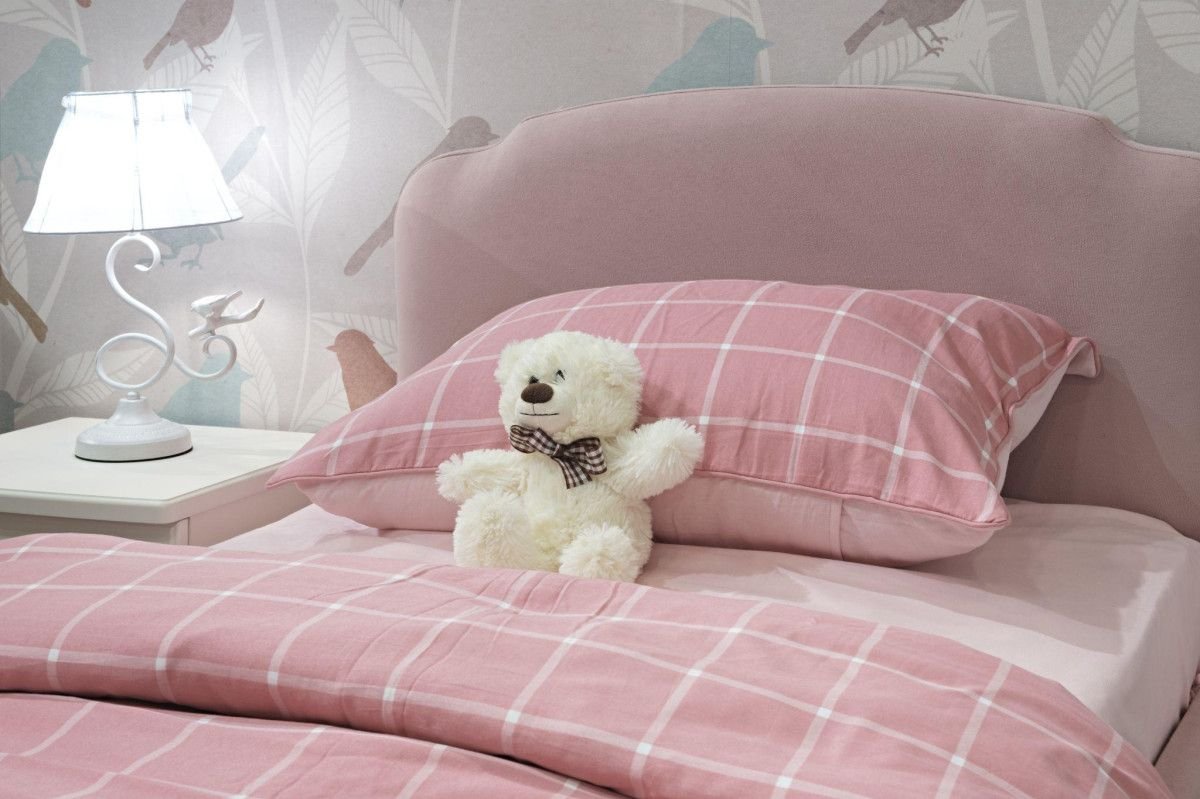
Many UK homes prefer kids upholstered beds because they offer a balanced mix of comfort and a design that works for different age groups without feeling out of place.
Smart Storage For Everyday Use
When children grow and their possessions increase, a place to store them becomes even more significant. Rooms will easily become cluttered without proper solutions.
- Built-in drawers ensure that essentials are close by in bed.
- The Ottoman storage can be used to store clothes or seasonal products.
- Under-bed storage optimises space that is not in use.
This is an effective strategy in homes in the UK where space may be a constraint. This keeps the room neat with furniture of large sizes.
Pieces of Furniture Which Are Multifunctional
With the development of children, there is a change in their daily routine. Adjustable furniture becomes useful in the long run as the room is able to accommodate various functions.
- Desks that double as dressing tables suit older children
- Storage benches provide seating and hidden space
- Compact furniture fits easily into smaller bedrooms
- Shelving can move from toys to books and personal items
This reduces the need to replace furniture as needs change.
Choose Simple Colours And Styles
The preferences of children are dynamic and, therefore, large or themed furniture is not a long-term decision.
- Soft colours such as beige, cream, or neutral colours have a longer life
- Plain designs are appropriate for various age groups
- Accessories will refresh the room, without necessarily changing the furniture
- Do not use excessive theme designs that can be old-fashioned
The base design should be kept simple so as to ensure ease of change in the future.
Durable Materials That Handle Daily Life
Children’s furniture is usually used extensively, and thus, tougher materials will last longer.
- Solid wood frames are usually preferred as they are constructed to last
- Upholstered finishes for added comfort and softness
- Splits and marks are easily controlled with easy cleaning materials
- Good furniture lasts for a longer duration when cared for appropriately
The durability of furniture is a significant factor regarding its longevity, in addition to proper use and maintenance.
Make Better Use Of Space
The space within the houses in the UK is minimal, and therefore, furniture used must be practical and should not consume too much space in the room.
- Storage beds save the use of additional units.
- Wall space is used with vertical shelving.
- Multi-purpose furniture is also convenient in maintaining order in the room.
With the help of these tactics, even within a tiny room, one can create a comfortable area.
Allow The Room To Change By Itself
The room of the child must be founded on the needs depending on his age; however, it does not mean that it has to be revamped every time.
Replacement of toys with books with older kids
Switch bedding and decor to a different one
Add the personal element, i.e., artwork or photographs
The room may be new with minor modifications rather than major changes.
Keep Style Practical And Functional
Although they have to look good, furniture should be convenient to use on a daily basis as well.
- Select easy-to-clean materials
- Do not use fragile designs, which wear out easily
- Concentrate on both comfort and outlook
- Make layouts convenient and easy to transport
The proper balance between style and functionality will make the room effective in the long term.
A Thoughtful Approach That Lasts
It is all a matter of making decisions that are practical at the initial stages to create a bedroom that will develop as the child grows. Short-term trends should not be used; instead, one can concentrate on furniture that will be in use in the long run. Comfortable, storage, and flexible pieces can adjust to changing needs without regularly having to replace them. Through some planning, the room of a child could remain tidy, comfortable, and appropriate for many years, thus simplifying the daily life of both the parent and the children.