Choosing table linens for a business sounds simple—until you are standing at the crossroads between domestic and imported options, weighing cost against quality, speed against variety, and trust against temptation. That is where many buyers find themselves. You want value, yes, but you also want reliability. You want the order to arrive on time, look beautiful, hold up after repeated use, and make your customers feel cared for the moment they sit down.
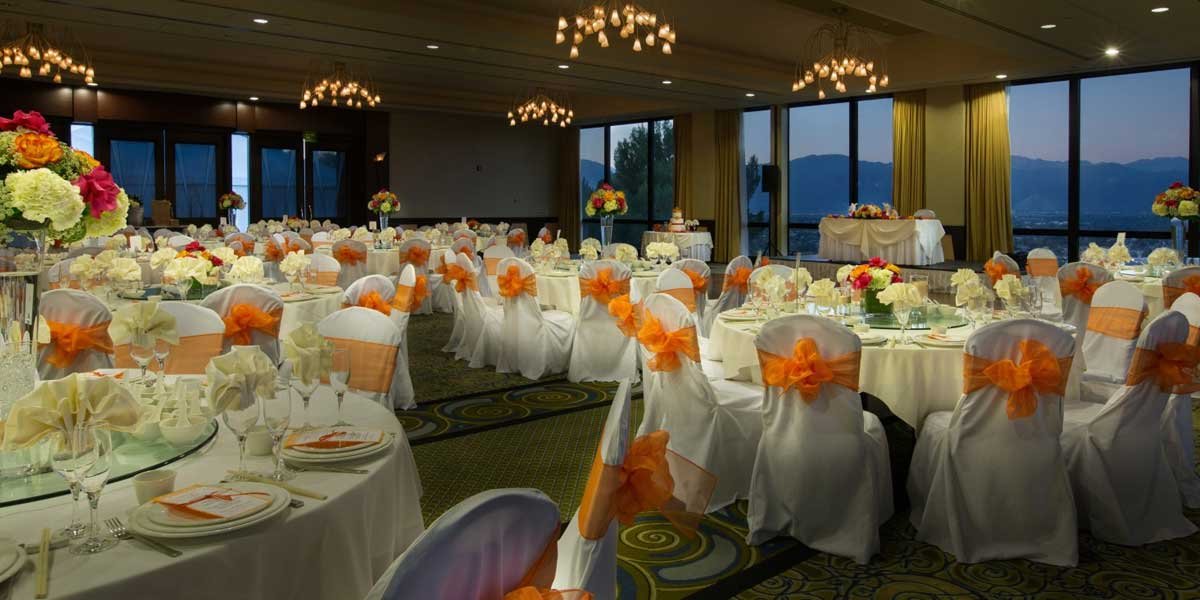
This is why the decision between domestic and imported wholesale tablecloths deserves a closer look. It is not just about fabric. It is about expectations, reputation, and the kind of experience you want to create. Whether you run an event company, restaurant, rental business, wedding venue, or retail shop, the right choice can save you stress and support your brand in ways that are easy to overlook at first.
Understanding the Real Difference Between Domestic and Imported Wholesale Tablecloths
Domestic tablecloths are made within your own country, while imported ones come from overseas manufacturers. On the surface, the difference may seem mostly geographic. In reality, it touches almost every part of the buying process.
Domestic suppliers often offer quicker shipping, easier communication, and clearer production standards. If something goes wrong, you are usually dealing with a company in your own time zone, under familiar business regulations. That can feel like a lifeline when an event date is looming and every hour matters.
Imported products, on the other hand, often attract buyers with lower prices and wider style selection. This is especially appealing when you need large inventories or specialized designs. For businesses trying to stretch budgets, imported linens can look like an easy win. But the lower upfront cost sometimes comes with longer lead times, shipping unpredictability, or quality variation between batches.
There was once a small venue manager who described a tense conversation with a supplier just three days before a major anniversary banquet. The color that arrived was not ivory—it leaned yellow under the ballroom lights. That single conversation changed how the manager purchased linens forever. The lesson was simple and unforgettable: communication is not a side issue in sourcing; it is part of the product itself.
Price Versus Value When Buying Bulk Tablecloths
Price matters. Every buyer knows that. But the lowest number on a quote sheet is not always the best deal.
Imported linens often cost less per piece, particularly in high volumes. If you are buying bulk tablecloths for a massive event operation or a fast-growing rental inventory, that pricing gap can be hard to ignore. Yet value includes more than the unit price. You also need to consider freight charges, customs delays, replacement timelines, and the potential cost of defects.
Domestic products may come with a higher initial price tag, but they can reduce hidden expenses. Faster replacements, stronger accountability, and more predictable quality can offset those extra dollars. If your business depends on consistency, the peace of mind alone may be worth it.
This is where buyers benefit from a little education. One hospitality owner once shared how a mentor taught her to stop focusing only on “cost per cloth” and start calculating “cost per successful use.” That small shift in education changed her purchasing strategy. Suddenly, durable fabric and dependable delivery were not luxuries. They were smart business decisions.
Quality, Craftsmanship, and Performance in Everyday Use
A tablecloth has a job to do. It must drape well, resist wear, survive washing, and still look elegant after repeated use. Domestic manufacturers often build their reputation on consistency and craftsmanship, especially when serving hospitality and event industries that demand dependable results.
Imported tablecloths can absolutely be high quality, but quality control may vary more widely depending on the factory, sourcing practices, and shipping conditions. One sample may impress you, while the next batch may feel slightly thinner or look a shade off. For some businesses, that risk is manageable. For others, it can be damaging.
You should ask practical questions before placing any large order. What is the fabric weight? Is the dye lot consistency documented? How does the linen perform after repeated laundering? Does the supplier provide swatches or test samples? Beautiful pictures online can be persuasive, but performance in real life is what protects your business.
Lead Times, Inventory Risk, and Supply Chain Stability
Time has a way of turning a good deal into a bad one. A delayed shipment can disrupt weddings, banquets, catering schedules, and seasonal promotions. Domestic sourcing often offers shorter lead times and more agile restocking. When demand spikes unexpectedly, that responsiveness can be incredibly valuable.
Imported sourcing, by contrast, can involve ocean freight schedules, port congestion, customs processing, and broader geopolitical disruptions. None of these issues mean imported options should be avoided. They simply mean that you must plan further ahead and build more cushion into your buying calendar.
For businesses that practically subsist on tight margins and tightly packed event schedules, inventory mistakes can feel painfully personal. One family-run rental company learned this during peak wedding season when a delayed shipment forced them to scramble for backup stock. They did not just lose time—they lost sleep. In businesses where every weekend counts, stability can feel just as nourishing as profit.
Customization and Brand Alignment With Bulk Tablecloths
When sourcing wholesale tablecloths, customization can make all the difference if your brand depends on a signature look. Domestic suppliers often offer greater flexibility with custom sizing, specialty stitching, branded colors, and smaller production runs. That adaptability is a major advantage for venues, designers, and boutique rental companies looking to create a polished, distinctive presentation..
Imported suppliers may provide broader mass-market variety and attractive design catalogs, especially for trend-driven buyers. However, custom orders can require longer development cycles and more careful coordination. If precision is essential, make sure every detail is confirmed in writing before production begins.
The best buying decision is often the one that matches your business model. If you prioritize speed, local accountability, and consistent reordering, domestic may fit better. If your top priority is reducing upfront cost on large volumes, imported may be the stronger choice.
Making the Right Choice for Your Business
There is no universal answer, and that is the honest truth. Some businesses thrive with imported linens because they plan far ahead and manage inventory with discipline. Others prefer domestic sourcing because they need quicker turnaround and tighter quality assurance. The smartest path is not emotional loyalty to one side. It is clear-eyed alignment with your actual needs.
Before making a purchase, compare total landed cost, not just unit price. Request samples. Review return policies. Ask about production capacity. Test durability. And above all, think about the experience you are promising your customers.
When you choose wisely, table linens become more than a background detail. They become part of your service story—quiet, dependable, and deeply felt. The best sourcing decision supports not only your budget, but also your confidence. And in a business built on presentation, timing, and trust, that confidence is worth far more than it first appears.