The aesthetic pendulum naturally swings back and forth over the years, and it looks like we’ve reached the point where a cozy, more traditional aesthetic is ready for a resurgence. As many of our designers have noted in planning meetings and warm presentation details, our clients are frequently seeking to add architectural details to their homes where previously there were few.
Why Cozy Design is Having a Moment
The transition was not immediate. In 2017, Pinterest announced a 285% year-over-year increase in searches for the term “hygge,” a Danish cultural concept that can be roughly defined as cozy, or comfort. It remained a running joke in the design world that “I don’t know how to pronounce that” hygge essentially replaced “that’s so cool” as a common way for people to describe what they wanted their rooms to feel like. That was the first sign that comfort was going to overcome cool minimalism as the design directive most people cared about.
Fast-forward a few years, and pretty much everyone was spending a lot more time at the house. Communities have been coming to terms with the fact that as incredibly functional as they are, open floor plans can be pretty noisy echo chambers. As beautiful as they appeared in photos, hard floors, exposed brick, and stark white walls did little to insulate their inhabitants and kept many of them cold and tired. Minimal or not, people wanted rooms that felt like a warm, welcoming hug and less of a cold, aggressive showroom piece.
What Actually Makes a Room Feel Cozy
Warmth isn’t about turning up the thermostat. Warmth is a human feeling – the sense that you belong and are safe with others in a space. It’s a place that feels approachable, not sterile or museum-like. What makes a bedroom warm is different than what makes a restaurant warm, but the principle is the same.
For a dining room, warmth might mean a few well-placed, not-too-bright lights, music filling the space but at a volume that makes conversation possible, and classic design so the surroundings won’t distract you from the company you keep.
Or, if you zoom in to your kitchen, warmth might mean the smell of something good bubbling away on the stove, the window steamed up from cooking pasta, and an old ceramic spoon with a comfortable weight that’s nice to hold.
Flooring Sets the Tone Before Anything Else Does
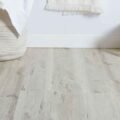
Flooring is the largest surface in a room and contributes a great deal to the overall feel of the space. Hard-surface floors like tile and hardwood dominated home design trends during the past decade because they’re easy to clean, but they’re not quite so cozy on the feet, or the ears. Carpet bounces sound back and limits echo in the space. It adds warmth that radiates upward, and there’s nothing quite like that wall-to-wall plushness to make a room feel luxurious.
It’s back in style for a reason. Nobody wants to hear you during their next Zoom call, and this is an easy way to get in on the trend. Wall-to-wall carpet is the best method for installing this soundproofing, while also warming your floors, but an area rug is obviously the easier-to-remove alternative here. Just be deliberate about the placement.
Decide on wall-to-wall when you’re remodeling your space; if you’re landing on new flooring, make an appointment to look at carpeting and natural fiber rugs on the same day that you look at wood and tile. Retailers that specialize in flooring, like Carpet Direct, carry a wider range of textures and weights than most big-box options, which matters when you’re trying to match a specific warmth-to-durability ratio for a high-traffic room. If you treat it like an afterthought, you’ll get an afterthought product.
Texture Does Most of the Heavy Lifting
If you could modify just one element in a room, let it be the texture mix. A room with smooth walls, a hard floor, and a leather couch will automatically feel cool, no matter the paint color you use.
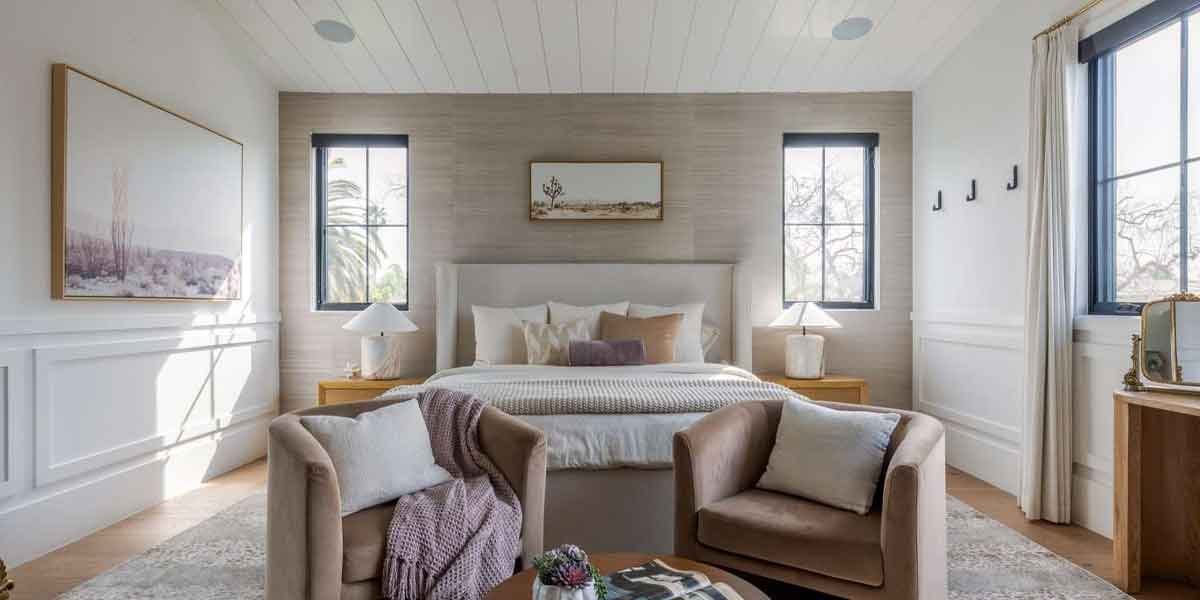
As soon as you mix at least three tactile materials – wool, linen, boucle, matte wood, or soft floor coverings – the room feels different, visually and quite literally. A chunky knit throw on a linen sofa, on top of a matte wood coffee table with a wool rug underneath, creates more warmth than any paint ever would.
This is why fabric choice during a remodel is more than just “decorative”; velvet and boucle upholstery, heavy curtain fabrics, and throw layers are not after-the-fact-additions; they’re workhorses for getting the look and the sound of a room right.
The Color Shift Nobody’s Arguing With
Warm neutral tones are becoming more popular as they can make your room feel like the sun is shining, even on a gray day. Cool gray colors are leaving the stage and being replaced by warm whites, stone, sage, terracotta, and buttery neutrals. This trend has been predicted by paint and color specialists for a few years in a row now. It is a direct response to the flat and cold feelings that cool-toned interiors delivered.
Lighting is the Most Underrated Line Item in a Remodel
Lighting is typically one of the last things that people think about when planning a remodel. Usually, it’s what homeowners pick out when they have spent the majority of their budget and there are only a couple hundred dollars left in the pot. I’m exaggerating a little to make a point, but not much. If you view a room as an orchestra, the lighting is the conductor. Get it right, and everything feels like it’s in harmony. Get it wrong, and the violins are coming in too early and the brass section sounds like a mess.
A single overhead fixture, no matter how nice, will always feel institutional. Layered lighting – a mix of floor lamps, table lamps, sconces, and dimmable overheads at different heights – is what actually creates warmth. Add dimmers and switch your bulbs to a warm color temperature around 2700K, and a room that felt sterile at 5pm can feel like a retreat by 8. Dimmer switches cost very little relative to the rest of a renovation budget, and the psychological payoff is enormous. If you’re already opening up walls or rewiring during a remodel, this is the moment to plan your lighting layout properly instead of bolting on lamps later.
Baking Coziness Into the Architecture
If you’re doing a full remodel rather than a room refresh, this is where the real opportunity is. Cosmetic changes can only get you so far. The homeowners getting the most out of this trend are the ones building coziness into the bones of the house.
That means specifying things like a window seat with storage underneath, a fireplace surround that becomes the visual anchor of the room, built-in shelving that breaks up a flat wall, and a lighting layout planned alongside the electrical work rather than added after the fact. It also means choosing soft flooring for key rooms before the rest of the finishes get locked in, since flooring is expensive to change later and easy to plan for now.
This is also where remodel ROI comes into the conversation. Not every cozy upgrade pays back the same way at resale. Flooring, lighting, and built-ins tend to hold value better than trend-driven paint colors or one-off decor choices. If budget is a constraint, prioritize the structural and functional elements – flooring, lighting infrastructure, built-ins – over purely decorative ones. You can swap a throw pillow. You can’t easily swap a lighting plan.
Getting the Look Without a Full Remodel
Not everyone has to tear out a room to get that wabi-sabi feeling – and probably should not. You don’t want to lose the character that can build up over the years in the scratches and dents and coaxing the light from a room. If you look too perfect, you will never be cozier than a spa.
A rug will work, lighting will work, curtains will work, and I agree that they are all excellent temporary finishes for a room until the right solution happens. I’d add a big pile of wool or soft cotton cushions on the already worn-in sofa instead of a new reupholstery job. And an antique kilim on a table to hide a stubborn stain instead of a drastic new finish.
Avoiding the “Cozy Cave” Trap
There’s a failure mode worth naming directly: the cozy cave. This is what happens when someone reads “warm and textured” as “dark and heavy”, then goes all in. Deep colors on every wall, heavy furniture crowding the floorplan, zero natural light left in the room. It feels less like a sanctuary and more like a bunker.
Good cozy design still needs breathing room and at least one light, airy focal point – a bright window left uncovered, a mirror that bounces light across the room, a single wall left in a warm white instead of a saturated tone. Balance is the whole point. Warmth without light just reads as dark.
Cozy design works because it solves a real problem: the last decade of interiors optimized for photos, not for living in. Whether you’re planning a full remodel or just changing out a rug and a few lamps, the goal is the same – a room that feels good to be in, not just good to look at.