

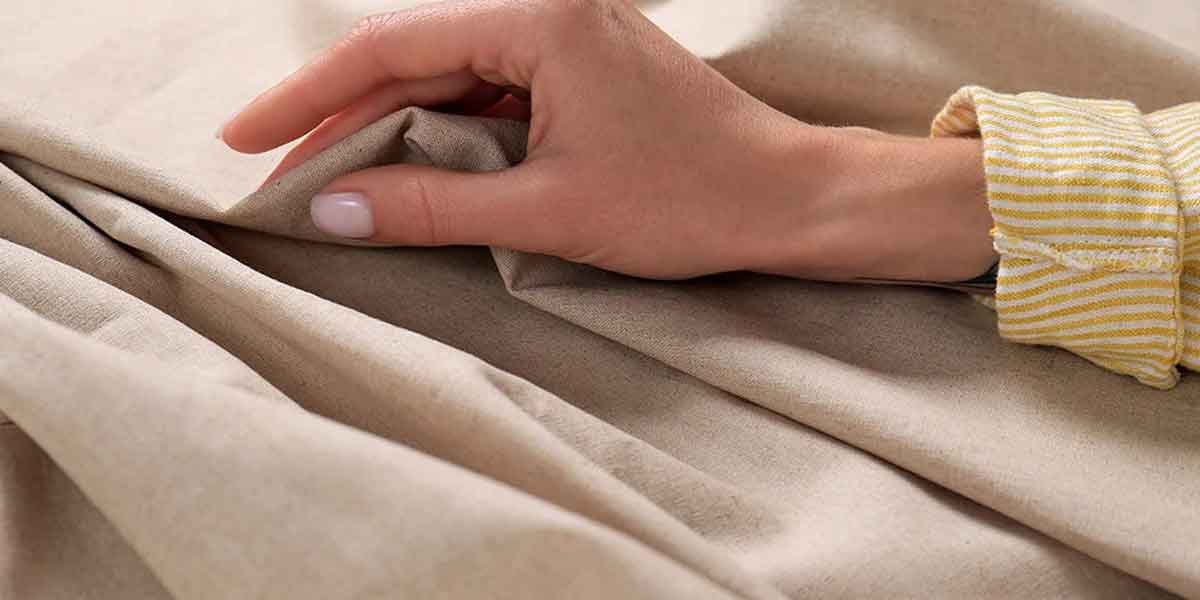
The waistband and thigh are areas on your body that come into contact with fabric more frequently than any other part. The wrong fabric in these areas will make you realize it before the end of the day.
Why “It’s Just Cotton” Doesn’t Settle the Argument
Cotton is often considered the go-to for sensitive skin. There’s some truth to this. Cotton is breathable, and it’s a natural material that’s soft on your skin when it’s brand new in the shop. Plus, it doesn’t have some of the major chemical irritants that pure synthetic fibers have. While scientific research on how well cotton actually lives up to this reputation is surprisingly scant, anecdotally, lots of people with skin that gets red, itchy, and uncomfortable say that cotton helps.
But not all cotton fabrics are alike. The weave can be coarse or fine. The individual cotton fibers could be short or long-staple, which is a measure of the quality of the cotton. And the fabric could shrink or lose its dye in the wash, which is annoying, or pill and get those little fabric nubbins, which is also annoying. Scratchy fibers can intertwine with the cotton fabric and poke your skin. Cotton also softens with wear, which can make it lose its crisp, cool structure and get limp and sticky. And, of course, cotton gets wet if you sweat, which is bound to happen in your very fashionable perspiration-prone life. Wet cotton drags on your skin and causes mechanical irritation, which can trigger more contact dermatitis or eczema.
What to Actually Check Before You Buy
Fabric composition is only half the decision. Construction matters just as much, and this is where most buying guides stop short. Look for flat-lock or seamless construction, since raised seams are a constant point of rubbing against skin that’s already sensitised. Check the waistband too, a lot of chafing and localized rashes come from elastic that’s exposed rather than fully covered in the fabric, since raw elastic and rubber are recognized allergens for a lot of people.
Dyes matter more than most people realize. Azo dyes and chlorine bleach residues are documented skin irritants, so undyed or naturally dyed fabric is worth seeking out if you’ve had reactions before. And labels are your fastest filter here: OEKO-TEX Standard 100 certification means the finished garment has been tested for harmful dye and formaldehyde levels, not just the raw fiber.
This is exactly the kind of detail that separates a specialist from a supermarket multipack. Brands built around this specific problem, like British Boxers, design boxer shorts with flat seams, breathable natural fibers, and waistbands that don’t sit directly against raw skin, which is a meaningfully different approach than treating underwear as an afterthought category.
The Synthetic Problem: Heat, Sweat, and What Grows in Between
Polyester and regular nylon are advertised for their moisture-wicking properties, and it’s true that they draw moisture through the material quickly. But then they hold onto moisture, trap heat, and stick to your skin. These fibers do not breathe, meaning that air and body heat can’t escape through the weave the way it does with natural fibers.
These fabrics are like wearing a plastic bag. It’s an uncomfortable, wet furnace that you wear right against your skin for hours. That’s an ideal environment for breeding odor, yeast, fungus, and bacteria, and it is a typical trigger for those with skin issues already. For someone who is heat and moisture sensitive, moisture-wicking without breathability is not a solution, it’s half a solution.
What Actually Works: Bamboo Lyocell and Organic Cotton
There are two fabrics that have fewer skin irritants and thus perform better with reactive skin than most, but it’s not only about the fabric type but also the how when it comes to handling reactive skin.
Let’s start with Bamboo Lyocell. Unlike panda snacks, the bamboo plant has some cool qualities when it comes to textiles, bamboo lyocell is produced using a closed-loop manufacturing process that renders the fiber with a micro-porous structure. This structure provides natural wicking properties, and natural wicking is good for sensitive skin. The moisture that your body creates is being drawn away from your skin before bacteria have a chance to breed, meaning less stink and less chance for your skin to get inflamed from the bacteria’s metabolic waste. This also means less moisture left on your skin’s surface for heat loss, so basically you can wear your night sweats and be chill about it.
Because the fiber is micro-porous, it can allow for better air circulation which helps your skin breathe and cools you down this way too. The combination of these two benefits, wicking and cooling, is key for skin sensitivity. Plus, when all is said and done, bamboo lyocell is processed with significantly fewer strongly irritant caustic chemicals. So if the dye or additional chemical residues are part of your skin’s problem, that matters.
Fit is the Variable People Forget
Having the best fabric ever for all clothing is irrelevant if the product fits horribly. Imagine getting the perfect fabric for sweatpants, but the pants are so tight you feel the fabric rubbing against your thighs and waist for every step. Imagine also the fabric of the waistband rubbing against your skin because it’s so tight. That’s going to happen regardless if it’s wool or cotton.
Your Laundry Routine Can Undo All of it
Here’s what almost no one talks about: even if you buy the softest, most certified fabric on Earth, you’re still likely to be irritated by it because of what’s left in between its fibers in your washing machine. Harsh detergents and fabric softeners leave residues on clothing’s fibers that coat the surface and stiffen the weave, nullifying the softness you shelled out for. A fragrance-free, dye-free detergent, and no added softener whatsoever, maintains breathable fabric actually breathable instead of slathered in residue that rubs against your skin all day.
Eczema impacts more than 31.6 million Americans, and a significant portion of them say that tight or synthetic clothing exacerbates the disease (National Eczema Association). That’s not an aesthetic preference. That’s a daily, physical ailment with a fabric-shaped remedy, and underpants are the frontline on that battlefield.
You Might Also Like...
 Bamboo vs Wheat Straw Plates: Which Eco-Friendly Choice Is Right for You?
 How to Use Qullnowisfap Products: Celebrity Secrets & Professional Application Guide
 Why Bandana Material Choice Affects Breathability and Moisture Wicking
 Permanent Red Dye vs. Halo Extensions: Cost, Damage & Maintenance Compared
