
In the modern era, the safety and security of our homes have become a top priority for homeowners. As technology continues to evolve, smart home security systems have emerged as a powerful tool for protecting our properties and loved ones. These systems offer a range of features, from remote monitoring and automated alerts to integrated cameras and smart locks. They provide homeowners with peace of mind and a sense of control over their living environment, emphasizes Jackson Property Management team. This article explores the most important features of smart home security systems, focusing on their benefits and how they can be integrated into a modern home.
The Importance of Smart Home Security
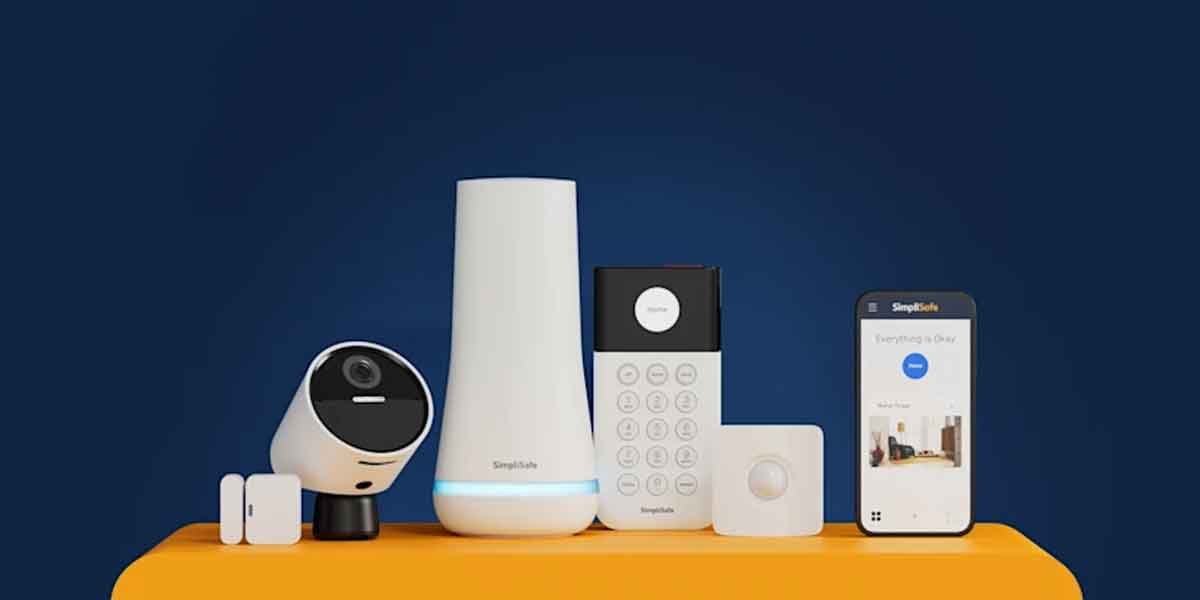
Smart home security systems are designed to provide a comprehensive approach to home safety. They use a network of sensors, cameras, and other devices to monitor the property and alert the homeowner to any potential threats. This can include everything from unauthorized entry and fire to water leaks and carbon monoxide.
Security Feature
Primary Benefit
Key Metric
Remote Monitoring
Provides real-time alerts and access
Mobile app usage
Automated Alerts
Notifies homeowners of potential threats
Alert frequency
Integrated Cameras
Offers visual confirmation of events
Camera resolution
Smart Locks
Provides secure and convenient access
Lock durability
Key Features of Smart Home Security Systems
One of the most important features of a smart home security system is remote monitoring. This allows homeowners to access their security system from anywhere in the world using a smartphone or tablet. They can view live video feeds, receive alerts, and even control their smart locks and other devices.
“Smart home security systems are not just about protecting your property; they are about providing you with peace of mind and a sense of control over your living environment.”
Another key feature is automated alerts. These alerts can be sent to the homeowner’s mobile device in the event of a security breach or other emergency. This allows them to take immediate action, such as calling the police or fire department.
Integrated Cameras and Smart Locks
Integrated cameras are a critical component of any smart home security system. They provide visual confirmation of events and can be used to identify potential threats. Modern cameras offer high-resolution video, night vision, and even two-way audio, allowing homeowners to communicate with visitors or intruders.
Smart locks are another important feature of smart home security systems. They provide secure and convenient access to the home, allowing homeowners to lock and unlock their doors remotely. Some models even offer keyless entry, using a keypad or fingerprint scanner.
The Role of Professional Monitoring
While many smart home security systems are designed for DIY installation and monitoring, some homeowners prefer the added security of professional monitoring. This involves a third-party security company that monitors the system 24/7 and can dispatch emergency services if needed.
Professional monitoring can provide an extra layer of protection, especially for homeowners who are frequently away from home. It can also lead to lower insurance premiums, as many insurance companies offer discounts for homes with professionally monitored security systems.
Conclusion: Investing in a Safer Home
In conclusion, smart home security systems are a powerful tool for protecting our homes and loved ones. By focusing on remote monitoring, automated alerts, and integrated cameras and smart locks, homeowners can create a comprehensive approach to home safety. These systems not only provide peace of mind but also enhance the overall value and marketability of the home. As technology continues to evolve, smart home security will remain a critical factor in determining the success and safety of modern residential properties.
You Might Also Like...
 The Future of Urban Living: Integration of IoT in Apartment Complexes
 FintechZoom NASDAQ: The Complete Guide to Real-Time Trading Insights and Market Intelligence in 2026
 Sinkom Explained: The Complete Guide to Smart Integration, Coordination, and Innovation
 How Tech-Enabled Landscaping Solutions Enhance Curb Appeal
