What if technology could adapt to your creativity instead of limiting it? Imagine a world where your digital tools don’t just follow commands but anticipate your needs, helping you build, create, and innovate faster than ever before. This isn’t a far-off dream. It’s the reality being shaped by a new wave of intelligent systems.
At the forefront of this evolution is Rosboxar, a groundbreaking modular innovation platform. It redefines the relationship between humans and technology. Rosboxar combines the power of artificial intelligence with the flexibility of modular design. This creates a seamless, intuitive, and powerful ecosystem for creators and businesses alike.

This article explores the world of Rosboxar. We will uncover what it is and how its underlying technology works. You will learn about its standout features, real-world applications, and the significant benefits it offers. Prepare to see how Rosboxar is setting a new standard for the digital future.
What is Rosboxar?
Rosboxar is not just another tool; it’s a comprehensive, modular innovation platform. It integrates AI-driven intelligence with a highly flexible architecture. The name itself hints at its core philosophy. “Ros” suggests a connection to robotic, automated systems, while “boxar” implies a collection of versatile, boxed components. Together, they represent a new paradigm in digital creation and management.
At its heart, Rosboxar is built on three pillars: modular flexibility, AI-driven intelligence, and sustainable innovation. Unlike rigid, monolithic systems of the past, it provides adaptable components that can be configured for diverse needs. This approach empowers users to build custom solutions without being locked into a one-size-fits-all framework. It marks a significant shift towards more democratic and accessible technology.
The platform’s core principles guide its development and application, ensuring it remains a human-centric tool that truly enhances our capabilities.
Rosboxar Core Principles
- Modular Flexibility: Offering adaptable components for a wide array of needs.
- AI-Driven Intelligence: Employing smart automation with an awareness of context and user intent.
- Sustainable Innovation: Promoting eco-conscious technology practices and efficient resource use.
- Human-Centric Design: Ensuring technology enhances human creativity and productivity, rather than replacing it.
This table highlights the key characteristics that set this modular platform apart from conventional software.
| Principle | Description |
|---|---|
| Modular Flexibility | Adaptable components for diverse needs |
| AI-Driven Intelligence | Smart automation with emotional awareness |
| Sustainable Innovation | Eco-conscious technology practices |
| Human-Centric Design | Technology that enhances, not replaces |
The Technology Powering Rosboxar
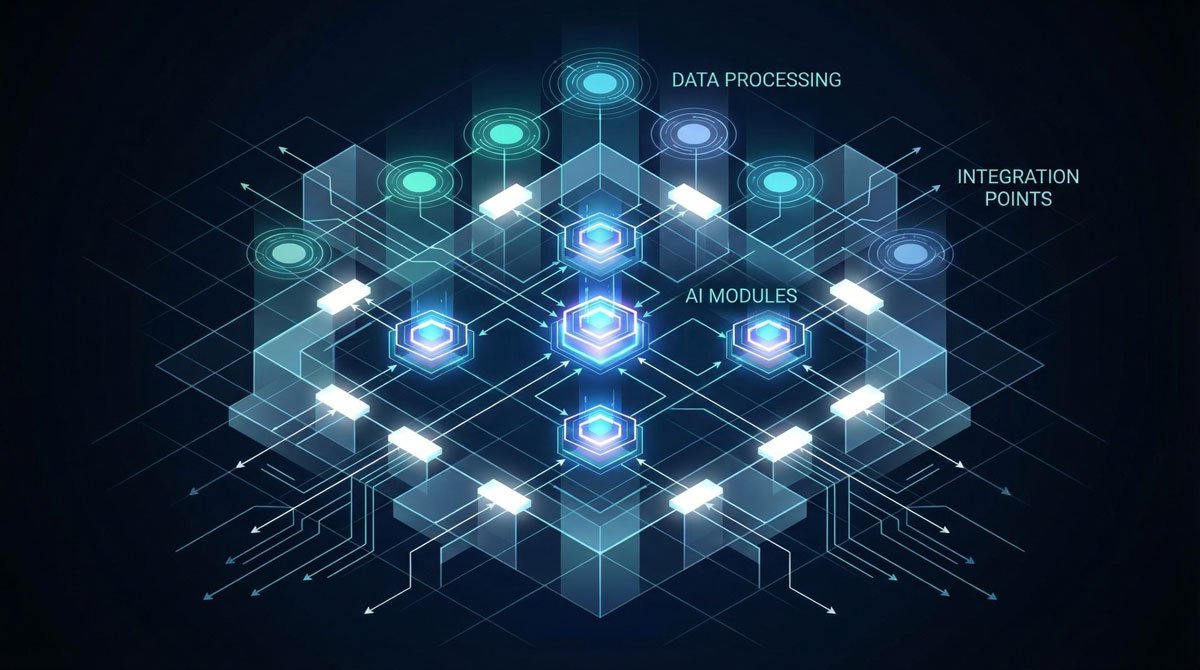
To truly appreciate Rosboxar, one must look under the hood. Its power lies in a sophisticated yet elegant technology architecture. This design masterfully blends modularity with artificial intelligence. The result is a system that is both powerful and remarkably intuitive. It delivers a seamless user experience without sacrificing capability.
The entire framework is designed for resilience and scalability. It moves beyond traditional, rigid software structures. Instead, Rosboxar offers a dynamic environment where innovation can flourish. This is the technical magic that makes the platform so transformative.
Core Technology Components
At its core, the Rosboxar platform utilizes several key technologies. A distributed microservices architecture ensures that each module operates independently. This prevents a single point of failure from bringing down the entire system. It also allows for individual components to be updated without system-wide downtime.
Machine learning algorithms are the brains of the operation. They analyze user behavior and data patterns to provide predictive suggestions. An API-first design guarantees that Rosboxar can integrate with a vast ecosystem of third-party tools and services. This extends its functionality far beyond its native features.
The Modular Architecture Advantage
The modular architecture is Rosboxar’s defining characteristic. Think of it like a set of high-tech building blocks. Each block, or module, performs a specific function. Users can combine these modules in countless ways to create custom workflows and applications. This is the modular architecture advantage.
This approach provides unparalleled flexibility. Need a new function? Simply add a new module. Is an existing process outdated? Swap the old module for a new one. This plug-and-play capability dramatically reduces development time and costs. It empowers organizations to adapt to market changes with incredible speed.
Rosboxar’s Standout Features
What truly sets Rosboxar apart are its features designed for the modern digital landscape. These capabilities go beyond simple automation. They create an environment where efficiency and creativity coexist. Each feature is crafted to address specific pain points felt across many industries. They work together to deliver a cohesive and powerful user experience.
From its intuitive interface to its powerful integration options, Rosboxar is built for performance. It empowers teams to achieve more by simplifying complex processes. The platform’s features are not just additions; they are fundamental to its mission of driving modular innovation. Let’s explore some of the most impactful ones.
| Feature | Rosboxar | Traditional Systems |
|---|---|---|
| Flexibility | High – modular design | Low – rigid structure |
| Scalability | Seamless expansion | Complex upgrades |
| Integration | Native compatibility | Limited options |
| Learning Curve | Intuitive interface | Steep learning curve |
| Cost Efficiency | Pay-as-you-grow | High upfront costs |
Industries Transformed by Rosboxar
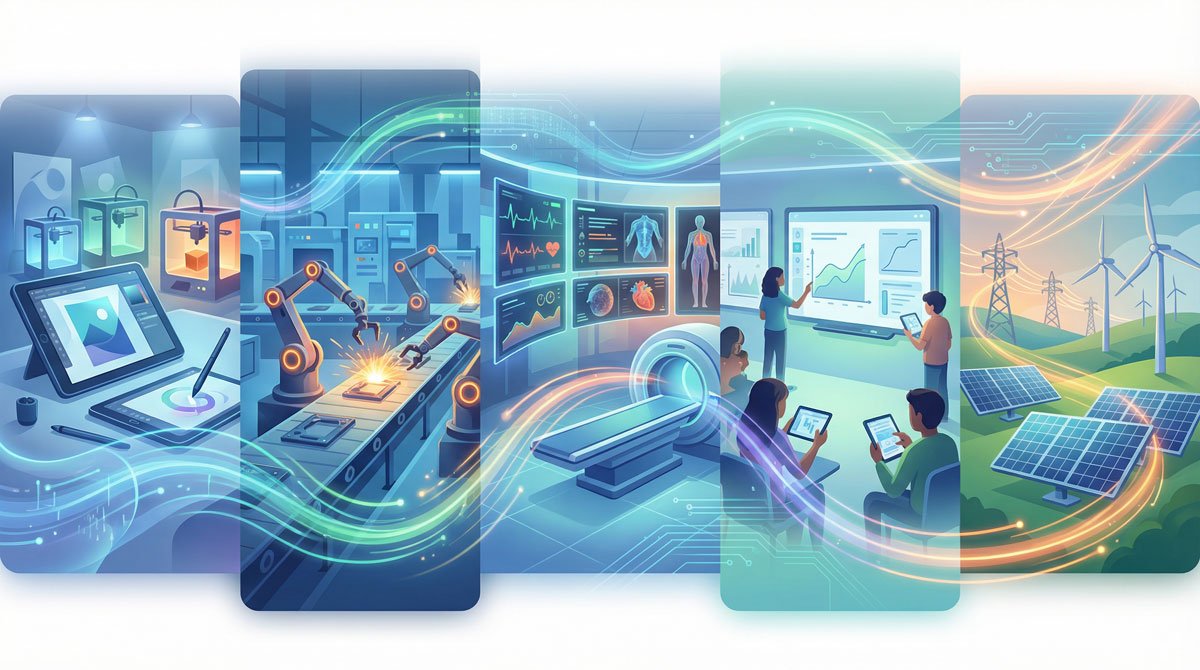
The true measure of any technology is its real-world impact. Rosboxar is already making significant waves across a diverse range of industries. Its adaptable, modular framework allows it to address unique challenges in different sectors. From creative fields to highly technical environments, the platform is proving its value. It drives efficiency, fosters innovation, and unlocks new possibilities.
Let’s explore some of the key industries where Rosboxar is not just participating but actively transforming operations. These examples showcase the breadth and depth of its capabilities. They highlight how a single, cohesive platform can serve many different needs. The results speak for themselves.
Digital Art and Design
For artists and designers, Rosboxar acts as an intelligent creative partner. It automates repetitive tasks like asset resizing and color correction. This frees up valuable time for conceptual work. The AI can even suggest layout variations and color palettes, sparking new ideas without stifling originality.
Software Development
Developers use Rosboxar to accelerate their workflows. Its modules can handle automated testing, code analysis, and deployment pipelines. The collaborative environment simplifies team-based projects. It ensures that everyone is working from the same playbook, reducing errors and speeding up release cycles.
Manufacturing and Automation
In manufacturing, Rosboxar powers smart factories. Its modules connect with IoT devices on the factory floor to monitor production lines in real-time. The system can predict maintenance needs and optimize supply chains. This leads to reduced downtime and significant cost savings.
Healthcare Systems
Healthcare providers are leveraging Rosboxar to streamline patient data management. Secure modules ensure that sensitive information is protected while remaining accessible to authorized personnel. This improves coordination between departments and ultimately leads to better patient care. The platform helps make healthcare more efficient.
Education and Research
Educational institutions are embracing digital transformation through Rosboxar. The platform enables collaborative learning environments where students and educators can share resources seamlessly. Research teams benefit from its data analysis modules, which help them process complex datasets faster. This accelerates discovery and innovation.
Marketing and Business Intelligence
Marketing teams use Rosboxar to analyze consumer behavior and craft targeted campaigns. Its AI-driven insights reveal patterns that would take humans weeks to identify. The platform integrates with existing CRM systems, creating a unified view of customer interactions. This leads to more effective strategies and higher conversion rates.
Energy Management and Sustainable Technology
In the energy sector, Rosboxar is driving the adoption of sustainable technology. Smart grid modules monitor energy consumption in real-time, identifying inefficiencies and optimizing distribution. Renewable energy providers use the platform to predict demand and balance supply. This contributes to a greener, more sustainable future for all.
Why Choose Rosboxar – Key Benefits
Adopting Rosboxar translates into tangible benefits that resonate across an entire organization. It’s more than just a technological upgrade; it’s a strategic business decision. The platform is engineered to deliver measurable improvements in efficiency, cost-effectiveness, and innovation. These advantages provide a significant competitive edge in a fast-paced market.
The modular approach fundamentally changes how businesses operate. It replaces slow, cumbersome processes with agile, responsive workflows. This shift allows organizations to not only meet current demands but also anticipate future challenges. The benefits are clear, compelling, and crucial for long-term success.
Organizations that adopt Rosboxar report significant improvements within the first few months. Time-consuming manual tasks are automated, freeing up teams to focus on strategic initiatives. The platform’s ability to integrate with existing systems means there is no need for costly overhauls. Instead, businesses can build on what they already have, enhancing rather than replacing their infrastructure.
| Benefit Category | Impact | Business Value |
|---|---|---|
| Efficiency | 30-40% time savings on tasks | Faster project delivery and time-to-market |
| Cost | Reduced operational and maintenance expenses | Improved profit margins and resource allocation |
| Innovation | Accelerated development and testing cycles | Stronger competitive advantage and market leadership |
| Scalability | Flexible, on-demand growth support | A future-proof investment that grows with you |
| Sustainability | Lower energy consumption and carbon footprint | Enhanced brand reputation and ESG compliance |
How to Implement Rosboxar in Your Organization
Integrating Rosboxar into your organization is a straightforward process. It is designed for a smooth transition. The key is a phased approach. This minimizes disruption and ensures a successful rollout. Following a clear implementation plan allows your team to adapt and embrace the new system effectively. It sets the stage for long-term success.
Here is a simple, step-by-step guide to get you started. This roadmap helps you navigate the implementation journey. It ensures you unlock the full potential of the Rosboxar platform from day one.
- Assess Your Current Systems: Begin by identifying pain points and inefficiencies in your existing workflows. This helps you understand where Rosboxar can deliver the most impact.
- Define Your Objectives: Clearly outline what you want to achieve. Whether it’s cost reduction, faster production, or enhanced creativity, specific goals will guide your strategy.
- Choose Relevant Modules: Based on your objectives, select the initial set of Rosboxar modules. Start small and focus on high-impact areas first.
- Plan the Integration Strategy: Develop a plan for how Rosboxar will connect with your existing software and tools. Its API-first design simplifies this process.
- Train Your Team: Although intuitive, proper training ensures your team can leverage all of Rosboxar’s features. Focus on hands-on workshops and real-world use cases.
- Deploy Gradually: Roll out the platform in phases. Start with a pilot group or a single department to gather feedback before a full-scale deployment.
- Monitor and Optimize: After deployment, continuously monitor performance. Use the platform’s analytics to identify opportunities for further optimization and improvement.
Future Trends and Innovations
The journey for Rosboxar is just beginning. The platform is continuously evolving, driven by rapid advancements in AI and modular design. Its future is not just about refining existing features. It’s about pioneering new frontiers in digital innovation. The long-term vision is ambitious. It aims to create a truly intelligent and autonomous ecosystem that empowers human potential on a global scale.
Several key trends will shape the future of Rosboxar. Deeper AI integration will enable more sophisticated predictive analytics and autonomous decision-making. The expansion into new industries, such as agriculture and smart city development, will showcase its versatility. We can also expect to see more advanced human-computer interaction, making the platform even more intuitive.
The future of Rosboxar is intertwined with the broader digital evolution. It will play a crucial role in building smarter, more efficient, and more sustainable systems for generations to come. The platform is not just keeping pace with change; it is actively driving it.
Frequently Asked Questions About Rosboxar
- 1. What is Rosboxar and how does it work?
- Rosboxar is an innovative modular platform that combines AI-driven automation with a flexible system architecture. It works by breaking down complex systems into interchangeable modules, allowing for customized, scalable solutions that adapt to user needs.
- 2. What are the main benefits of using Rosboxar?
- The primary benefits include significantly improved operational efficiency, reduced costs, accelerated innovation, and enhanced flexibility. Its scalable nature also ensures it can grow with your business, providing a future-proof solution.
- 3. Which industries can benefit from Rosboxar?
- Rosboxar’s versatility makes it suitable for a wide range of industries, including digital art, software development, manufacturing, healthcare, education, and marketing. Any field that can benefit from smarter, more efficient workflows is a good fit.
- 4. How does Rosboxar differ from traditional systems?
- Unlike traditional monolithic systems, Rosboxar offers superior flexibility, faster adaptation to change, and lower maintenance costs. Its AI-driven intelligence also provides predictive insights that rigid, older systems cannot match.
- 5. Is Rosboxar suitable for small businesses?
- Absolutely. The modular, pay-as-you-grow model makes Rosboxar highly accessible for small businesses. You can start with essential modules and expand the system as your company grows, avoiding large upfront investments.
- 6. What technical requirements are needed for Rosboxar?
- Rosboxar is a cloud-native platform, so the primary requirement is a stable internet connection. Its API-first design ensures it can integrate seamlessly with most existing software and IT infrastructure without extensive custom development.
- 7. What is the future potential of Rosboxar technology?
- The future potential is vast. Expect deeper AI integration for more autonomous operations, expansion into new sectors like smart cities and sustainable agriculture, and even more intuitive human-computer interfaces that make the technology accessible to everyone.
Conclusion: Embracing Modular Innovation with Rosboxar
In a world demanding greater agility and intelligence, Rosboxar emerges as a clear leader. It is more than just a platform; it is a new way of thinking about technology. By seamlessly blending modular flexibility with AI-driven insights, it empowers businesses and creators to achieve what was once thought impossible. It offers a path to a smarter, more efficient, and more sustainable future.
The time for rigid, outdated systems is over. The future belongs to those who can adapt, innovate, and scale with intelligence. Embracing a platform like Rosboxar is no longer just an option—it is a necessity for staying competitive. Are you ready to build the future?