Your roof usually stays out of sight and out of mind until a stain spreads across the ceiling or shingles start showing up in the yard like bad confetti. If you own a home, spotting trouble early can save you from major repair bills, water damage, and a lot of unnecessary stress. A roof issue rarely fixes itself. It usually gets louder, wetter, and more expensive.
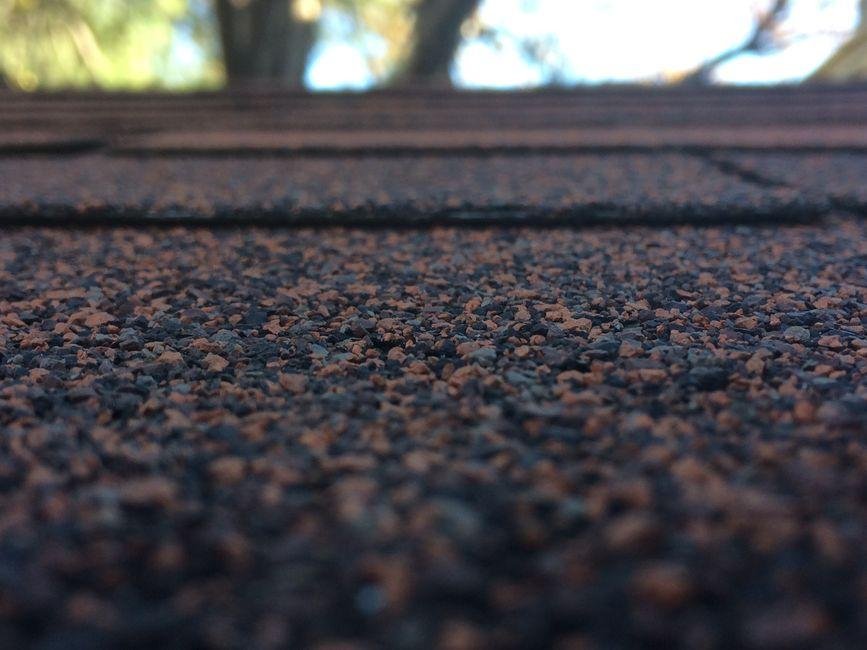
How small roof damage turns into a big home repair
A roof problem often starts with something that looks minor: one lifted shingle, a small crack near flashing, or a tiny drip after heavy rain. You might think you can wait a season. The roof usually has other plans.
Water moves fast once it gets past the outer layer. It can soak underlayment, weaken wood decking, stain insulation, and create the perfect setup for mold. By the time you notice peeling paint or a ceiling spot, the moisture may have traveled far from the original entry point.
The expensive part is not always the roofing material. It’s the chain reaction. You may end up paying for drywall replacement, insulation removal, mold cleanup, and structural repairs. A cheap fix delayed can turn into a renovation nobody asked for.
What to do when you suspect trouble
Once you suspect a roof issue, speed matters, but random panic buying does not. Start with documentation. Take photos of the exterior, interior stains, attic moisture, and any visible storm damage. Note when the problem appeared and whether it gets worse after specific weather.
Next, arrange an inspection from a qualified roofing professional. If you are comparing contractors, look at licensing, insurance, inspection detail, and repair scope. A company like West Pro can be an ideal option for homeowners looking for professional roofing services, whether the project involves smaller repairs, storm or hail damage, or a full roof replacement. The company provides both roof repair and replacement services, so homeowners can explore an approach based on the condition and needs of their roof.
If active leaking is happening, use buckets, move valuables, and avoid climbing onto a wet roof. Temporary tarping may help, though it is usually safer handled by professionals with proper fall protection.
Warning signs you can spot before calling for help
You do not need to climb onto the roof with a flashlight and a heroic attitude. Plenty of warning signs show up from the ground or inside your home.
Keep an eye out for:
– Missing, curling, or cracked shingles
– Dark streaks or patches that hold moisture
– Granules collecting in gutters
– Sagging rooflines
– Rusted or loose flashing around vents and chimneys
– Water stains on ceilings or upper walls
– Damp attic insulation or a musty smell
After a storm, do a quick walk around your property. Look for debris impact, bent gutters, or shingles scattered near downspouts. Inside, check the attic during daylight. If you can see sunlight through the roof boards, water can probably find that opening too.
Why age and weather matter more than most homeowners expect
Roofs age in a pretty unglamorous way. They bake in summer heat, contract in winter cold, and take a steady beating from wind, hail, and heavy rain. Even a well-installed roof has a service life, and materials do not all age at the same pace.
Asphalt shingles often last around 15 to 30 years depending on quality, climate, ventilation, and maintenance. Metal roofs can last longer, but fasteners, seams, and flashing still need attention. Tile and slate hold up well, though the support structure and underlayment can become the weak link.
Weather speeds up wear. High winds can lift shingles just enough to break the seal. Freeze-thaw cycles widen small cracks. Poor attic ventilation can trap heat and moisture, aging the roof from below. It is less of a single dramatic failure and more of a slow-motion ambush.
The places where roofs usually fail first
Most roofs do not fail in the middle of a wide open section. Trouble usually starts at the details, where different materials meet or where water tends to collect and change direction.
Pay close attention to these high-risk areas:
– Flashing around chimneys, skylights, and vents
– Valleys where two roof slopes meet
– Roof edges and drip lines
– Around satellite mounts or old hardware penetrations
– Low-slope sections where water drains slowly
– Areas shaded by trees that trap moisture and debris
These spots face more movement and more water exposure than the rest of the roof. A skylight, for example, can be great for natural light and terrible for your patience if the seal fails. The same goes for vent boots, which often crack before homeowners even know they exist.
Repair or replace? How to think through the decision
Not every damaged roof needs full replacement. Sometimes a targeted repair is enough, especially when the issue is isolated, and the roof is still relatively young. The hard part is knowing when a repair is practical and when it is just buying a little time at premium pricing.
A repair may make sense if:
– Damage is limited to a small area
– The roof is under 10 to 15 years old
– Matching materials are available
– The decking underneath is still sound
Replacement may be smarter if leaks are recurring, large sections are worn out, or multiple components are failing together. If repairs start stacking up every year, you are not saving money. You are subscribing to an annoying service no one wants. A good inspection should explain remaining roof life, hidden damage risk, and whether patchwork will hold.
How routine maintenance helps you avoid surprise costs
Roof maintenance is not exciting, but neither is paying for emergency interior repairs after a storm. A simple routine can catch issues early and help your roof last longer.
A practical maintenance checklist includes:
– Clean gutters so water drains properly
– Trim overhanging branches
– Remove leaves and debris from valleys
– Check attic ventilation and insulation
– Inspect flashing and seals once or twice a year
– Schedule a professional inspection after major storms
This does not mean you need to obsess over every shingle. It means paying enough attention to spot changes before they become structural problems. Think of it like tire maintenance for your house. Ignore warning signs long enough, and the blowout tends to happen at the worst possible moment.
A smart approach to protecting your home long-term
Your roof does more than keep rain out. It protects framing, insulation, electrical systems, flooring, furniture, and the general livability of your home. Once moisture gets in, the damage spreads quietly and often unevenly, which makes delays especially risky.
The smartest move is not complicated. Learn the warning signs, inspect after rough weather, and act early when something seems off. Ask detailed questions when getting estimates, and look for clear explanations instead of vague reassurances. You do not need to become a roofing expert overnight. You just need to treat roof trouble like the serious home issue it is. Catch it early, and you keep the problem manageable. Wait too long, and your ceiling may decide to join the conversation.